Puntland
8 stories filed under Puntland on World Data Ocean. The newest of them: “Five seafarers killed as pirates open fire on hijacked tanker during rescue”, “Puntland Forces Intercept Hijacked, US-Sanctioned Oil Tanker After 48 Hours”, and “Crew Freed: Integrated Data Confirms Resolution of Somali Hijacking Incident”. Five seafarers killed as pirates opened fire on a hijacked tanker during a rescue operation. Puntland forces have ended a 48-hour standoff, intercepting a US-sanctioned oil tanker hijacked by Somali pirates off the Somali coast. A Global Hub for Ocean Intelligence 4 World Data Ocean is a centralized digital platform where researchers, scientists, and ocean enthusiasts converge to… The list below is every Puntland story on World Data Ocean, newest first.
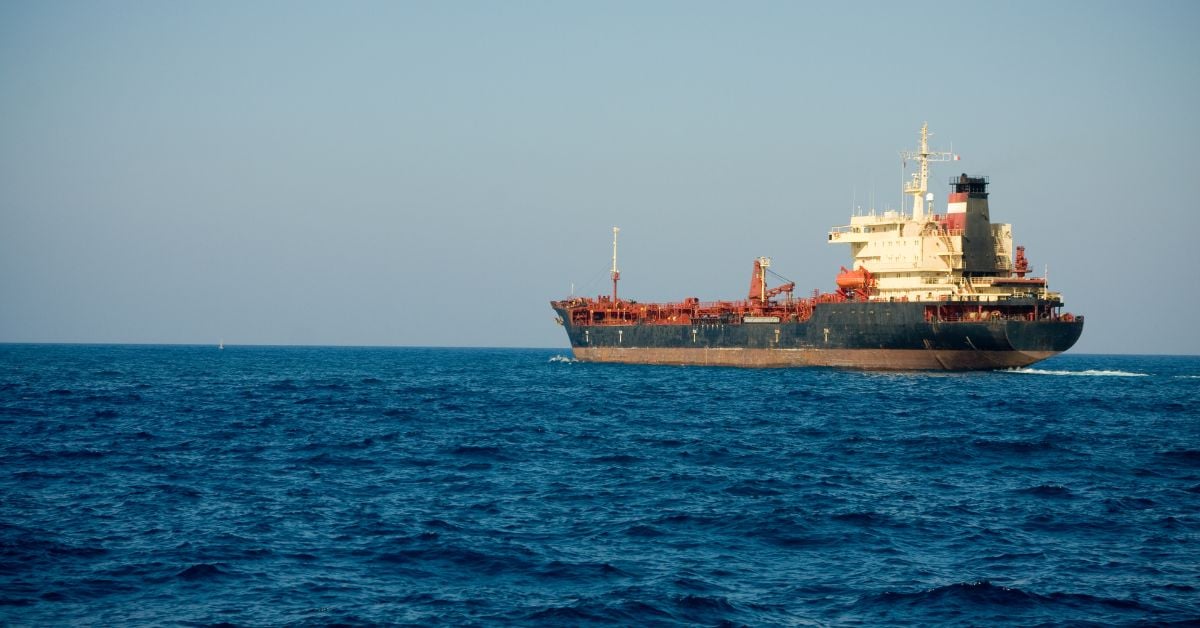
Five seafarers killed as pirates open fire on hijacked tanker during rescue
Five seafarers killed as pirates opened fire on a hijacked tanker during a rescue operation. The vessel carried 17 crew members; five were shot. Among the deceased: three from Pakistan, one from Myanmar, one from India. This is not an abstract risk, it is the human cost of failing to secure global shipping lanes. Our related coverage, "New Coalition Charts Measurable Course for Safer Global Shipping," examines one emerging framework for change. Measurable action, not rhetoric, is what these crews deserve.
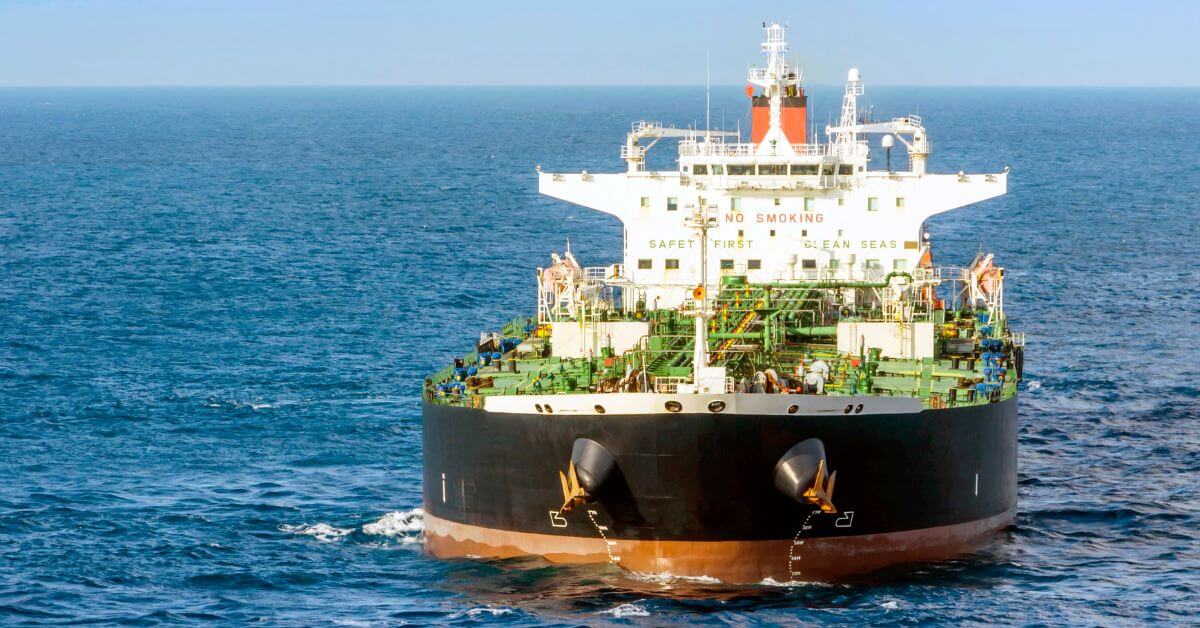
Puntland Forces Intercept Hijacked, US-Sanctioned Oil Tanker After 48 Hours
Puntland forces have ended a 48-hour standoff, intercepting a US-sanctioned oil tanker hijacked by Somali pirates off the Somali coast. The operation underscores the growing security challenges in regional waters, where illicit maritime activity threatens both trade and stability. This rescue reflects a pragmatic use of force and coordination, a reminder that ocean intelligence is as much about security as it is about data.
Crew Freed: Integrated Data Confirms Resolution of Somali Hijacking Incident
On April 26, Somali pirates seized a tanker carrying 15 Syrian and two Indian nationals. Integrated data ecosystems now confirm the crew's release, a resolution grounded in measurable, real-time intelligence. This outcome validates the power of empirical monitoring over alarmist speculation. Understanding drives protection, and here, it restored lives. For deeper context on regional interdiction efforts, see our coverage of "Puntland Forces Intercept Hijacked, US-Sanctioned Oil Tanker After 48 Hours." The ocean's security challenges demand calibrated, not sensational, responses.
Joint Forces Intervene: Maritime Security Operation Frees Hijacked Vessel
The Turkish Navy and Somalia's Armed Forces concluded a decisive 10-day operation, neutralizing 14 pirates and freeing a hijacked vessel. This is what coordinated maritime security looks like when measured action meets clear objectives. The operation underscores a practical truth: effective ocean stewardship requires persistent, joint commitment, not just policy. For broader context on regional maritime pressures, our related coverage on Gulf of Oman STS transfers offers valuable perspective. This success signals a calibrated, reliable approach to protecting vital sea lanes.

Maritime Security Incident: Two Vessels and 22 Crew Affected by Piracy.
Two merchant vessels, carrying 22 Indian crew members total, have been hijacked by pirates in separate incidents off Yemen and Somalia. The attacks underscore the persistent threat maritime piracy poses to seafarers and global shipping lanes. This is not a distant problem; it is a live disruption to the ocean economy and the people who move it. For deeper context on regional responses, our report on Puntland Forces Intercept Hijacked, US-Sanctioned Oil Tanker After 48 Hours illustrates the ongoing volatility.

Hijacked Vessel Crew Receives Aid as Situation Develops Off Somalia
Aid is reaching the crew of the hijacked vessel off Somalia, with reports confirming that food supplies have been delivered aboard. The situation remains fluid, and the safety of those onboard is the immediate priority. This incident is a stark reminder of the persistent risks in the region's waters. For broader context on maritime security pressures, our related coverage on Puntland forces intercepting a hijacked tanker offers a relevant comparison. We will continue to monitor this operation.

Hijacked Tanker MT ASANA Headed Towards Somalia's Puntland Coastline
The MT ASANA, a 1992-built general and chemical tanker, was seized Friday after departing Mukalla, Yemen, and is now heading toward Somalia's Puntland coastline. The incident underscores persistent vulnerabilities in regional waters, even as international attention focuses on broader ocean security. The timing is telling: maritime threats remain a stubborn variable in the Indian Ocean's complex equation.

Hijacking of MT Asana Highlights Escalating Maritime Risks Off Yemen
Armed men boarded the MT Asana roughly 65 nautical miles south of Yemen's Al Mukalla port, a stark reminder that maritime corridors remain dangerously exposed. This hijacking is not an isolated incident; it signals a troubling pattern along critical shipping lanes. The risks are compounding, much like the pressures seen in regional logistics. For readers tracking these threats, our coverage of the Gulf of Oman STS transfers illustrates how commercial activity and security vulnerabilities increasingly intersect. Understanding these dynamics is essential for safeguarding global trade.