maritime transport
11 stories filed under maritime transport on World Data Ocean. The newest of them: “GenAI risk models strengthen coastal trade resilience through empirical validation”, “New Seaborne Trade Data Charts Global Economic Currents”, and “Evaluating Maritime Port Digitalization: A Global Survey by the IMO”. Maritime transport carries the overwhelming majority of cross-border agricultural trade, yet coastal enterprises face mounting uncertainty from geopolitical shocks, climate anomalies, and port congestion. New seaborne trade statistics from UNCTAD now chart global economic currents with empirical precision, offering a measurable view of how goods move across the world's oceans. A Global Hub for Ocean Intelligence 4 World Data Ocean is a centralized digital platform where researchers, scientists, and ocean enthusiasts converge to… The list below is every maritime transport story on World Data Ocean, newest first.

GenAI risk models strengthen coastal trade resilience through empirical validation
Maritime transport carries the overwhelming majority of cross-border agricultural trade, yet coastal enterprises face mounting uncertainty from geopolitical shocks, climate anomalies, and port congestion. This study empirically validates that GenAI risk models, spanning multi-source identification, prediction accuracy, and calibration, directly strengthen trade resilience. The findings are measured and actionable: all three dimensions showed statistically significant positive associations, explaining nearly half the variance in resilience. For deeper context on the data underpinning these trade flows, see our related coverage of UNCTAD's new seaborne trade statistics.
New Seaborne Trade Data Charts Global Economic Currents
New seaborne trade statistics from UNCTAD now chart global economic currents with empirical precision, offering a measurable view of how goods move across the world's oceans. This data matters. Validated shipping flows reveal not just commerce but climate indicators, the pulse of a system under pressure. For deeper context on what this boom means for ocean resilience, see our related coverage on measuring the longevity of a booming ocean economy through integrated climate indicators. Understanding drives protection.
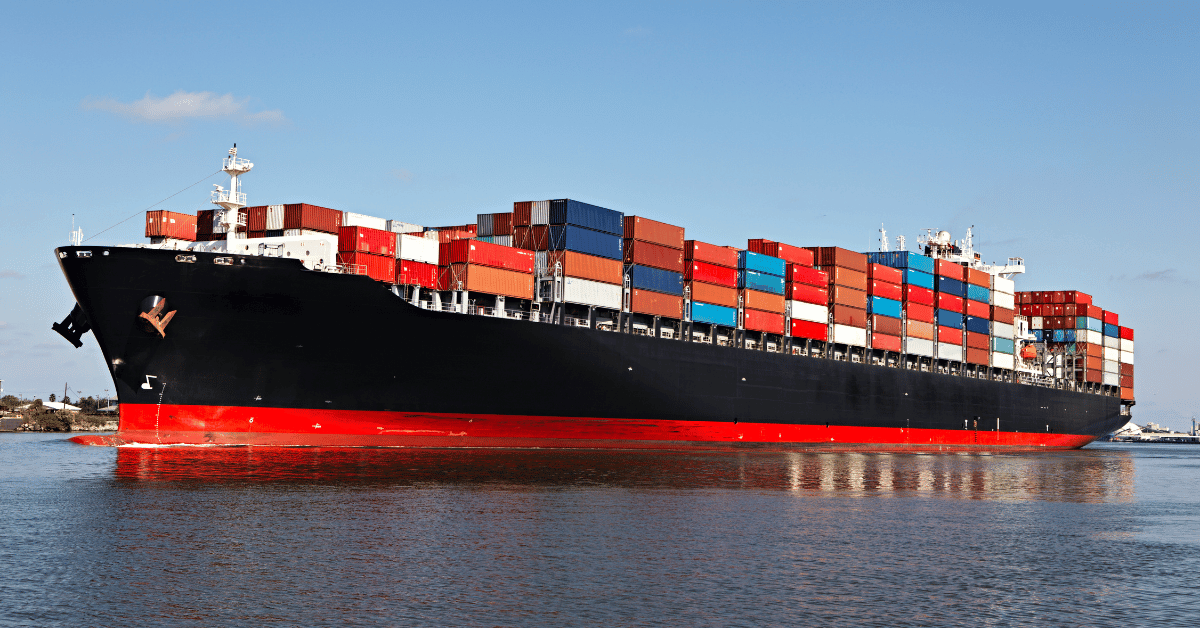
Evaluating Maritime Port Digitalization: A Global Survey by the IMO
The IMO's new global survey on Maritime Single Windows turns a critical lens on how digitalization actually performs in the field. By inviting stakeholders to report their experiences and challenges, the organization is treating port efficiency as a measurable, shared goal rather than a theoretical one. It is a practical move toward refining the data ecosystem that underpins global shipping. For context on how such infrastructure intersects with geopolitical pressures, our coverage of Russia's icebreaker financing offers a useful parallel.
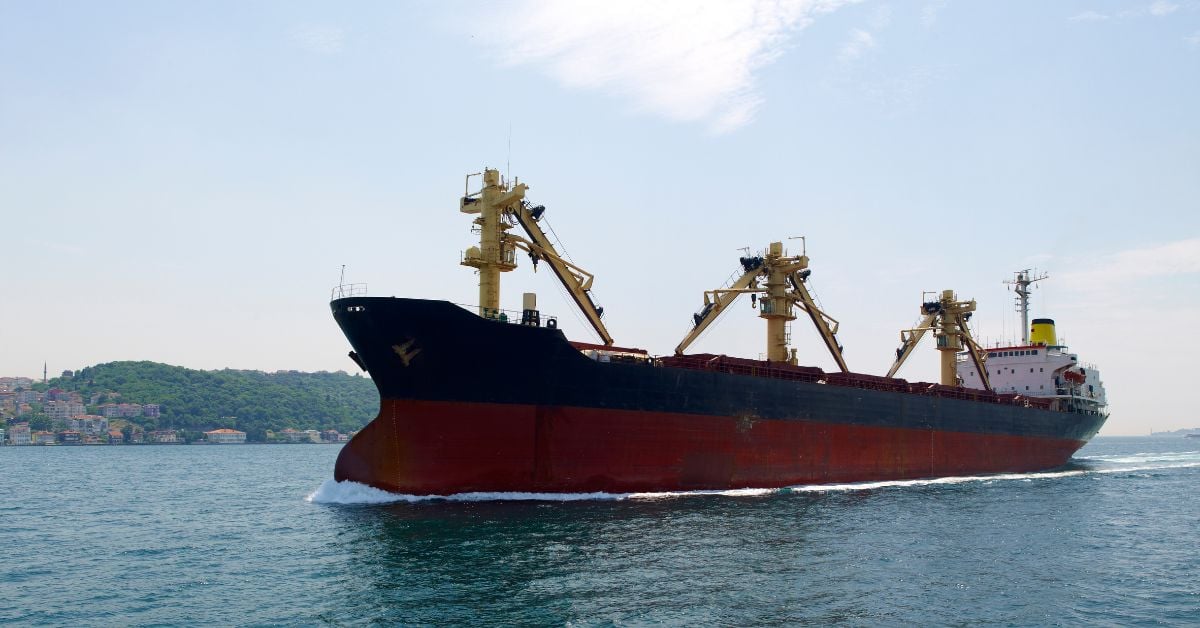
Somali Navy Rescues Crew After Cargo Ship Runs Aground
Water entered part of a cargo ship off Somalia's coast, and the Somali Navy moved in to rescue the crew. The Ministry of Ports and Maritime Transport confirmed on September 17 that it was monitoring the vessel. This is what effective maritime response looks like: swift, coordinated, and grounded in operational reality. Every incident like this sharpens our understanding of risk at sea. For broader context on regional shipping dangers, our report on the fatal attack in the Black Sea offers a sobering comparison.
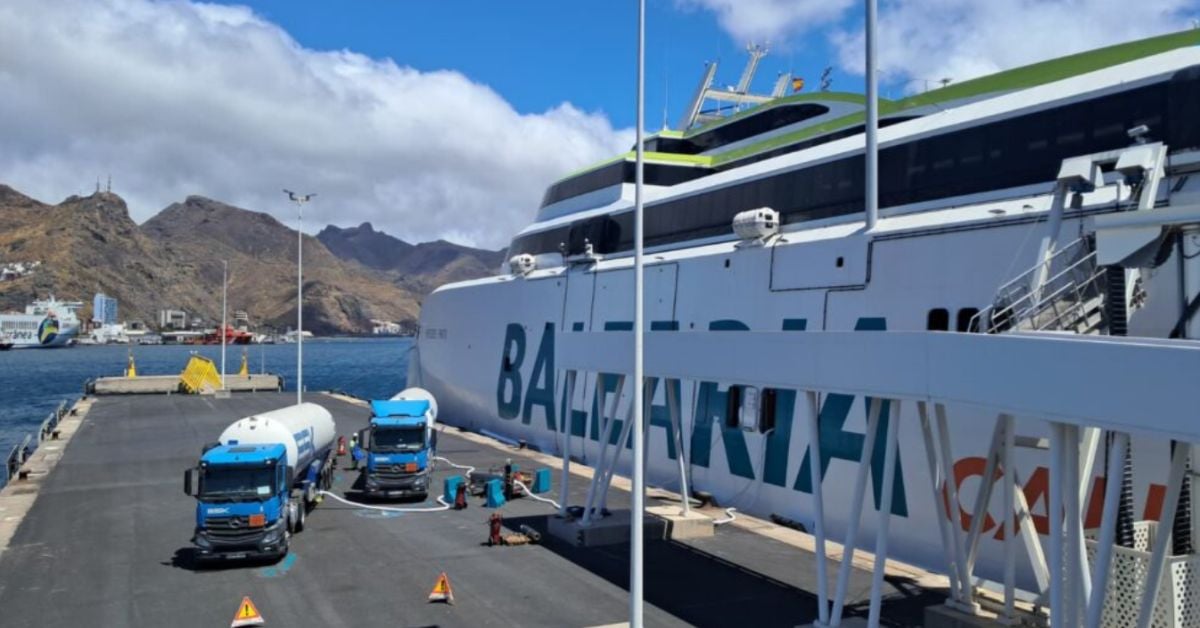
LNG Truck Refueling Marks Tenerife Port’s Sustainable Shipping Advance
Santa Cruz de Tenerife has completed its first ship refueling using liquefied natural gas delivered by tanker trucks, a measured step toward lower-emission port operations. This method integrates existing infrastructure with cleaner fuel logistics, demonstrating that incremental innovation matters. For readers tracking similar infrastructure milestones, our coverage of Paradip Port's designation as a Mega Port explores how ports worldwide are recalibrating for sustainable growth. Validated, real-world operations like this build the integrated data ecosystem we need to measure progress.
ICT Development's Role in Decarbonizing Global Maritime Transport
A new study confirms what we've long suspected: ICT development measurably reduces CO₂ emissions from maritime transport. Analyzing data across 111 countries, researchers found that digital infrastructure cuts emissions, but only up to a point. Beyond a certain scale of maritime activity, that benefit weakens. The threshold effect is a sobering reminder that technology alone cannot solve decarbonization. Strategy must scale with operations. For further context on maritime infrastructure growth, see our coverage of Paradip Port's designation as a Mega Port.
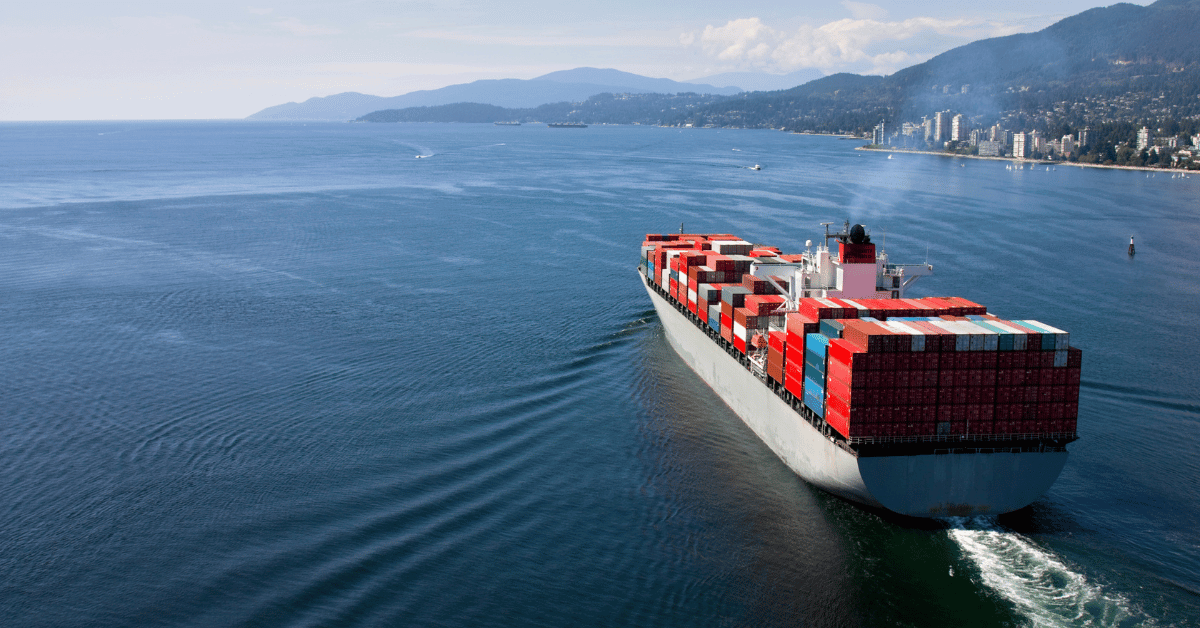
Verified Emissions Reduction: NORDEN and Microsoft Set Maritime Standard
The first verified maritime emissions reduction through the RSB Book & Claim registry is not just a technical achievement; it is a practical template for an industry learning to measure what matters. NORDEN and Microsoft have turned a contractual idea into a documented, peer-reviewed transaction, grounding climate action in data rather than declarations. This is how standards become habits. For more on how ports are optimizing their own integrated systems, see our coverage of terminal crane and truck coordination.
Data Integration: Mitigating Billions in Port Operational Losses.
A single port operating as a collection of silos, with container, bulk, breakbulk, and RORO terminals refusing to share information, is a blueprint for operational chaos. The resulting delays are not just inconvenient; they represent a measurable drain of billions in potential value. This fragmentation is a direct threat to the efficiency we should be engineering for. For a deeper look at how systemic pressure points manifest, our coverage of "Gate Delays Expose Critical Link in National Trade Flow" offers a relevant parallel.
Modeling a Green Shipping Corridor for Sustainable Trade Growth
A 2.2% annual traffic growth rate sounds modest until it meets a decarbonization curve that will not bend. This study models a green shipping corridor linking Shanghai, Jebel Ali, and Koper, and the results are sobering: even with 23 mitigation measures and roughly 86% alternative fuel adoption, net-zero by 2050 remains out of reach. The bunkering stage, not the voyage, is where the system lives or dies. That is the actionable insight. Corridors are not routes; they are integrated transport-energy systems.

Shipping Industry Cautions Against Transit Tolls in Strait of Hormuz
The shipping industry is pushing back against proposed transit tolls in the Strait of Hormuz, urging caution as Iran and Oman reportedly near an agreement to manage the waterway. The stakes are measurable: this is a critical artery for global energy, and adding costs now could ripple across supply chains still recalibrating from past disruptions. The concern is legitimate, though negotiation details remain thin.

Argentina Awaits: World’s Largest Electric Ferry Embarks on Transoceanic Journey
The world's largest battery-electric ferry, the China Zorrilla, is now crossing the ocean atop the heavy lift ship Black Marlin, bound for Argentina. This transoceanic voyage marks a practical step in maritime decarbonization, moving clean propulsion from concept to global deployment. The logistics are as demanding as the engineering itself. For those tracking maritime safety and operational shifts, our analysis of the NTSB's Safer Seas Digest offers useful context.