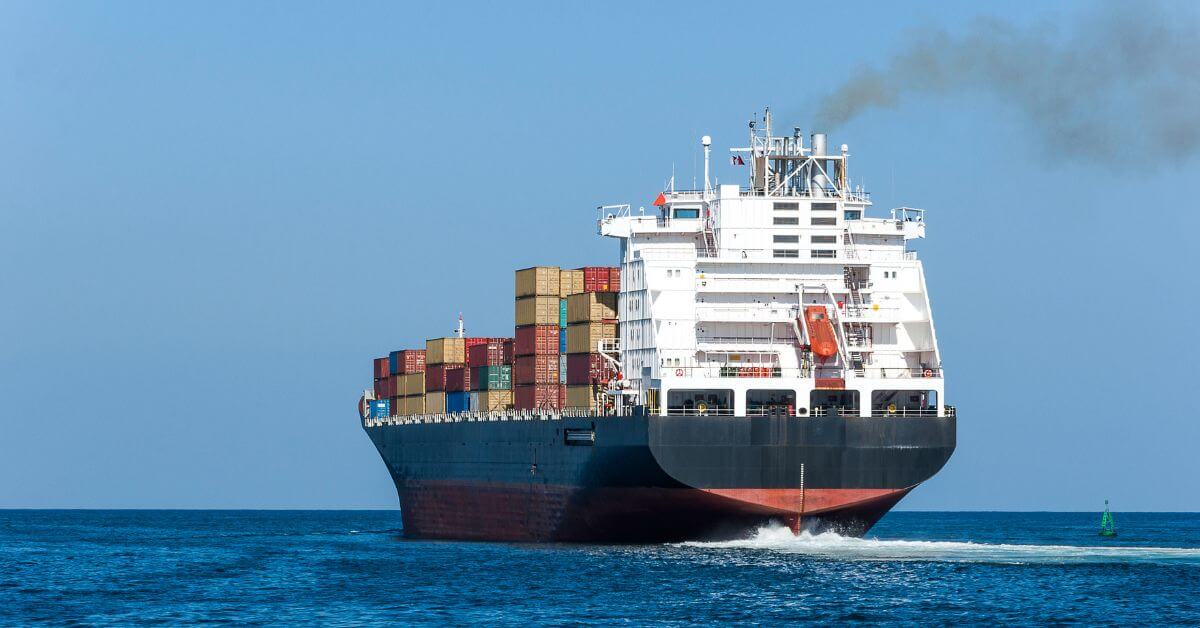
The recent surge in insurance provisions for vessels navigating the Strait of Hormuz underscores the complex interplay between geopolitical stability, global trade, and the inherent risks within critical maritime chokepoints. The substantial increase in coverage, now totaling $40 billion, highlights a tangible response to heightened tensions and the potential for disruption in this vital waterway. This development, driven by private insurers, reflects a data-informed assessment of risk, where economic considerations are directly calibrated against observed and anticipated geopolitical factors. For World Data Ocean, this event serves as a potent reminder of the interconnectedness of our planet's systems, where events in one region can have cascading effects on global supply chains and economic security. Our work in providing validated, real-time data on maritime traffic, environmental conditions, and geopolitical hotspots is designed to equip stakeholders with the intelligence needed to navigate such complexities with greater foresight and resilience.
This increased insurance coverage, while a financial mechanism to mitigate immediate threats, also implicitly points to a need for more robust, long-term strategies for ensuring the security and stability of global shipping lanes. The Strait of Hormuz, a crucial artery for a significant portion of the world's oil supply, is not merely a conduit for commerce but a sensitive nexus where political dynamics directly impact economic flows. The investment in insurance reflects an acknowledgment of the inherent vulnerability of such critical infrastructure. From our perspective, this situation emphasizes the value of comprehensive ocean intelligence. By integrating diverse datasets – from vessel tracking and port activity to broader geopolitical analyses – we aim to build a clearer picture of the forces shaping maritime operations. This allows for a more proactive approach to risk assessment, moving beyond reactive financial measures to informed strategic planning.
Ultimately, the events surrounding the Strait of Hormuz are a stark illustration of why dedicated efforts toward ocean stewardship and global collaboration are paramount. The security of maritime trade, the stability of energy markets, and the health of our oceans are all intrinsically linked. World Data Ocean is committed to fostering this understanding through the provision of accurate, accessible, and actionable data. By illuminating the intricate connections between human activities, environmental pressures, and geopolitical realities, we empower researchers, policymakers, and industry leaders to make informed decisions that promote both economic prosperity and ecological well-being. The current situation serves as a compelling call to action, reinforcing the urgency of our mission to build a shared understanding of the ocean and its vital role in our collective future.