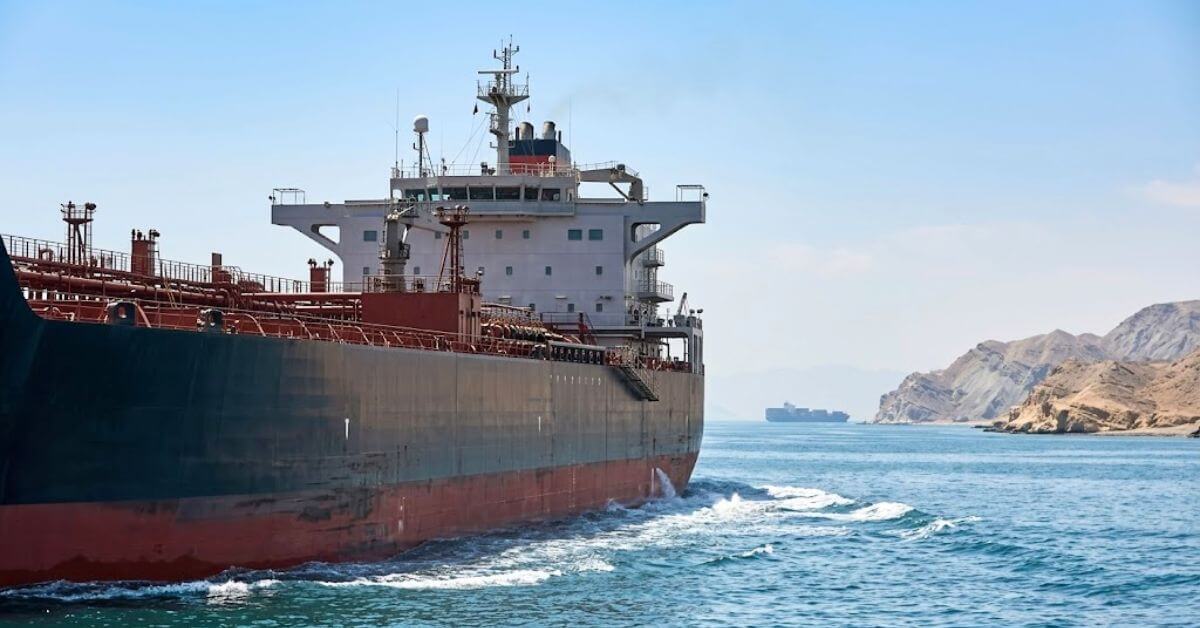
The Strait of Hormuz, a critical chokepoint for global energy transport, faces inherent risks that have significant implications for international commerce and energy security. The recent announcement of an insurance program designed to safeguard shipping through this vital waterway underscores the complex interplay between geopolitical stability, economic reliance, and the tangible need for robust risk mitigation strategies. This initiative, while specific in its application, reflects a broader imperative: to acknowledge and proactively address the vulnerabilities that exist within our interconnected global systems. Understanding the flow of energy and goods through such critical junctures is not merely an economic exercise; it is fundamental to informed decision-making and the maintenance of global stability.
World Data Ocean’s commitment to providing validated, measurable data provides the foundational intelligence necessary to understand and manage these complex risks. Our integrated data ecosystem offers a real-time perspective on maritime traffic, geopolitical tensions, and environmental factors, enabling a more nuanced assessment of potential disruptions. By synthesizing diverse datasets, we empower stakeholders—from policymakers to the insurance sector—with the empirical evidence required to develop effective response mechanisms. The success of initiatives like the Strait of Hormuz insurance program hinges on such precise, actionable intelligence. It is through the rigorous collection and analysis of data that we can move beyond speculative concerns to implement concrete solutions that ensure the continued flow of essential resources.
The development of such targeted insurance programs highlights the increasing sophistication required to navigate an unpredictable world. This is not about averting every possible scenario, but about building resilience through foresight and data-driven planning. World Data Ocean actively contributes to this effort by fostering an environment where scientific integrity and collaborative knowledge-sharing are paramount. Our work on climate indicators and ocean intelligence provides a longitudinal view of the planet's health and the dynamics that influence its crucial waterways. By illuminating these patterns, we facilitate a proactive approach to challenges, ensuring that stewardship is not just a concept, but a measurable outcome informed by the best available science. The security of vital shipping lanes, like the Strait of Hormuz, is an integral part of this broader mission to understand and protect our shared planet.