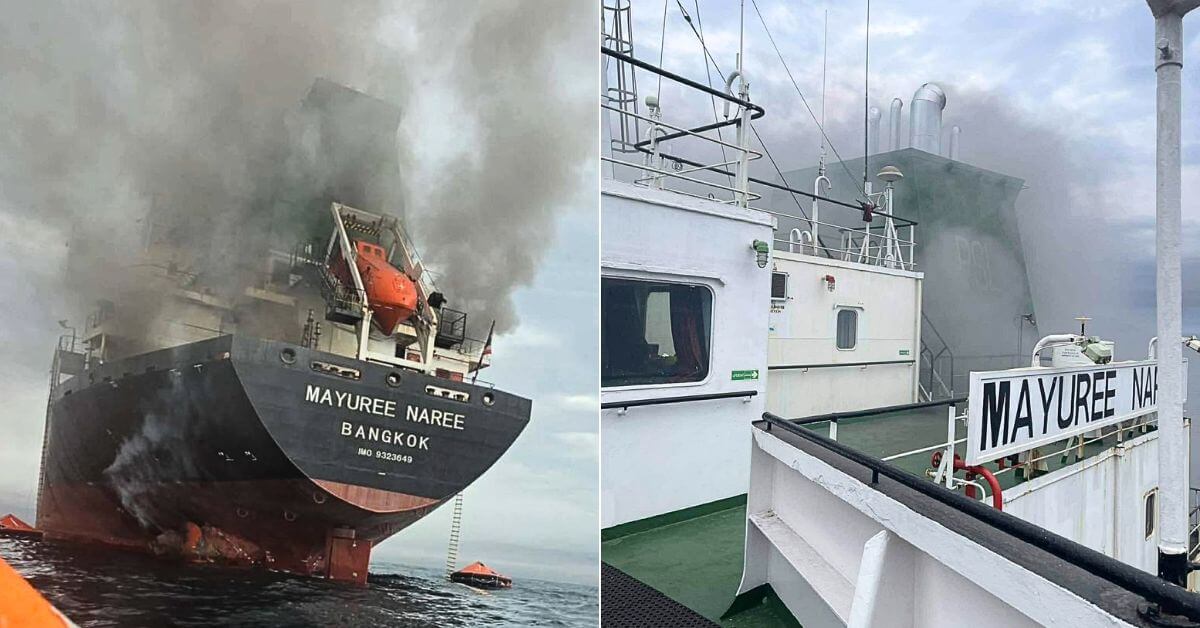
The recent shipping incident near Iran, occurring around March 11th as a vessel transited the Strait of Hormuz, serves as a stark reminder of the critical importance and inherent risks associated with this vital global waterway. The Strait of Hormuz, a narrow chokepoint connecting the Persian Gulf to the Gulf of Oman and the open ocean, facilitates a significant portion of the world's oil and gas shipments, making its uninterrupted flow essential for global economic stability. Incidents such as this, whether accidental or intentional, underscore the complex interplay of geopolitical factors, maritime safety, and the continuous need for vigilance and international cooperation in ensuring the security of these crucial shipping lanes.
World Data Ocean recognizes that the integrity of global trade routes, like the Strait of Hormuz, is inextricably linked to comprehensive ocean intelligence. Our work focuses on developing and integrating data streams that provide real-time, measurable insights into maritime activity, environmental conditions, and potential risks. By leveraging advanced technological innovation, we aim to foster an environment where validated data informs decision-making, thereby enhancing the predictability and safety of maritime operations. This incident highlights a gap between current monitoring capabilities and the need for a more robust, integrated data ecosystem that can anticipate and mitigate such disruptions, moving beyond reactive responses to proactive risk management.
The implications of such events extend beyond immediate economic concerns. They underscore the broader vulnerability of our interconnected world to disruptions in critical maritime arteries. For World Data Ocean, this reinforces our purpose-driven commitment to empowering stakeholders with the knowledge necessary for effective ocean stewardship. Understanding the dynamics of strategic waterways, from the perspective of both human activity and the marine environment, is fundamental to safeguarding global commerce and ensuring the long-term health of our oceans. We believe that by fostering global collaboration and providing accessible, empirically grounded ocean intelligence, we can contribute to a more secure and sustainable future for all.