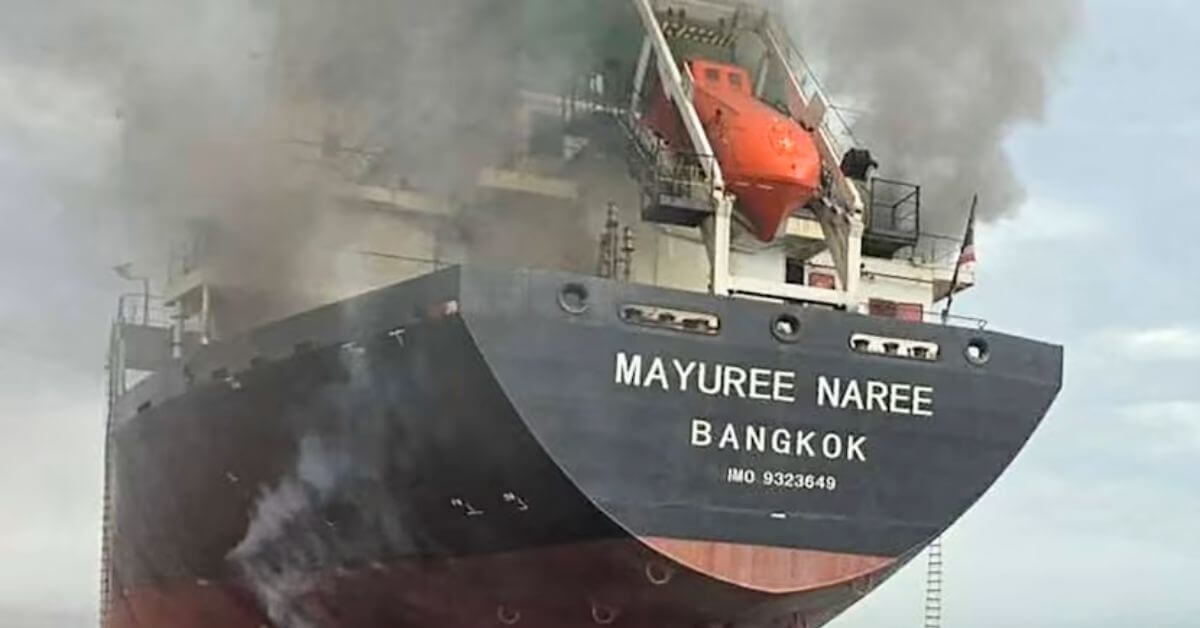
The recent fatal attack on a vessel transiting the Strait of Hormuz underscores a critical and escalating challenge to global maritime security and the vital arteries of international trade. This incident, occurring on March 11th as the ship journeyed from Khalifa Port in the UAE to Kandla Port in India, is not an isolated event but a symptom of growing geopolitical tensions and the inherent vulnerabilities of critical maritime chokepoints. For World Data Ocean, this event serves as a stark reminder of how interconnected our world is, and how disruptions in one region can have far-reaching implications, impacting supply chains, economic stability, and ultimately, the well-being of communities worldwide. Our mission is to provide the validated, measurable data necessary to understand and mitigate such risks, fostering a more secure and predictable maritime environment.
The Strait of Hormuz is a prime example of a critical maritime passage where geopolitical instability directly translates into measurable risk. Its strategic importance as a conduit for a significant portion of the world's oil and gas, coupled with ongoing regional conflicts, creates a volatile environment. Understanding the patterns of maritime traffic, the historical frequency of incidents, and the real-time geopolitical indicators within and around such passages is paramount. This requires an integrated data ecosystem that can synthesize information from diverse sources – from satellite imagery and vessel tracking to intelligence reports and historical maritime records. The ability to provide this comprehensive ocean intelligence allows for more informed decision-making by policymakers, shipping companies, and international bodies, enabling proactive measures to enhance safety and security.
At World Data Ocean, we believe that robust, empirically derived insights are the foundation for effective ocean stewardship and security. While this attack is a tragic human event, its broader implications highlight the need for enhanced monitoring, predictive analytics, and collaborative strategies. By providing calibrated, peer-reviewed data and fostering an environment of shared knowledge, we empower stakeholders to anticipate potential threats, optimize shipping routes, and develop resilient maritime operations. The ultimate goal is not to sensationalize or alarm, but to illuminate the complexities of our oceans and waterways, enabling informed action that protects lives, commerce, and the broader health of our planet. Understanding drives protection, and in passages as vital and as vulnerable as the Strait of Hormuz, this understanding is more crucial than ever.