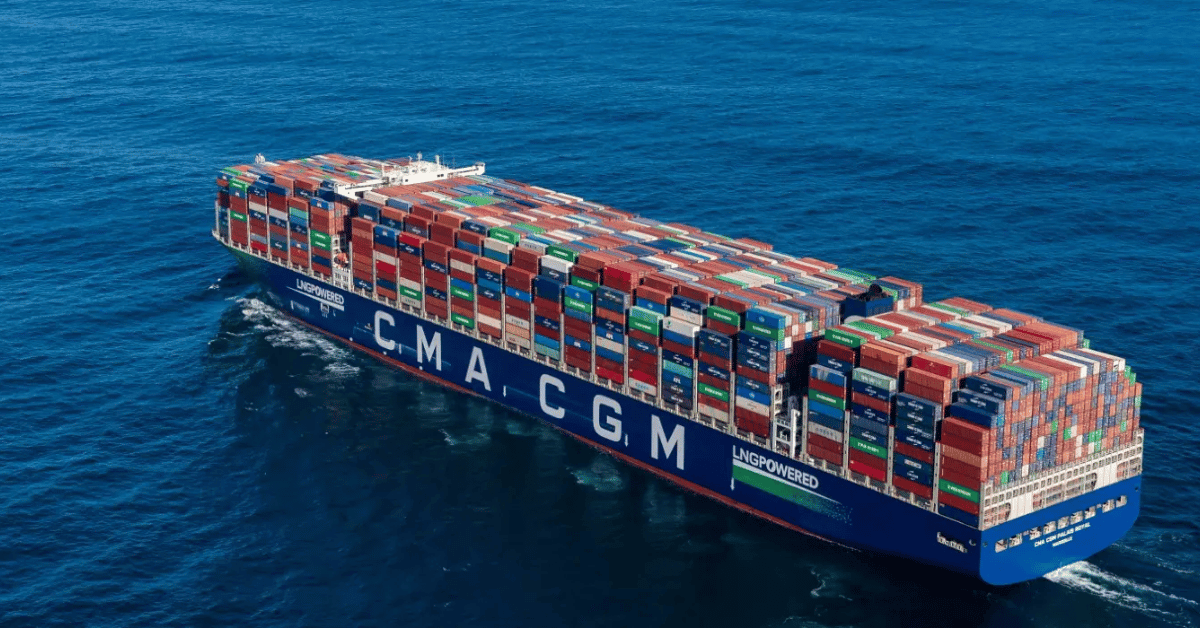
The 12,000-tonne CO₂ reduction target set by CMA CGM and DSV is a practical proof point, not a marketing gesture. By committing to second-generation UCOME-based biofuels through the ACT+ program, these two logistics heavyweights are demonstrating that measurable decarbonization is achievable today, using the existing fleet and supply chains. This is the kind of empirical, contract-backed action that moves maritime transport beyond aspiration.
What makes this agreement significant is its specificity. An 83% emissions reduction compared to conventional fuel, delivered over a two-year window, gives the industry a calibrated benchmark. It aligns with the broader propulsion strategy we have tracked, from the 36 dual-fuel engines powering LNG fleet toward measurable emissions reduction to the tri-fuel ore carrier fleet signaling a measurable shift in maritime decarbonization. The pattern is consistent: validated fuel pathways, integrated vessel design, and long-term commercial agreements. For DSV customers, this means access to lower-carbon shipping options without waiting for unproven technologies. For the market, it signals that second-generation biofuels are moving from pilot projects to repeatable procurement.
The partnership also underscores a critical reality about emissions accounting. This is not offsetting; it is fuel substitution with a verified reduction in combustion emissions. DSV's commitment to net-zero across its value chain by 2050 requires scalable solutions, and UCOME-based biofuels offer a direct, drop-in pathway. The fact that DSV is joining a growing list of companies renewing or expanding their ACT+ commitments suggests that the commercial case is holding up under scrutiny. We should watch whether this agreement leads to volume guarantees or price stability clauses, as those would signal deeper integration between fuel suppliers and shippers.
The open question is feedstock availability and supply chain integrity. Second-generation biofuels avoid the food-versus-fuel debate, but their scalability depends on collection and processing infrastructure that remains fragmented. CMA CGM's broader strategy, including the planned 200 dual-fuel LNG and methanol vessels by 2031, provides diversification, but the GenAI risk models strengthening coastal trade resilience through empirical validation remind us that logistics resilience is about more than propulsion. The specific figure to track is not the 12,000-tonne target itself, but the cost per tonne of CO₂ abated. If that number becomes competitive with regulatory penalties or carbon pricing, this partnership model will scale rapidly. If it remains a premium service, it will stay a niche for sustainability-focused shippers. Either way, the data from this two-year window will give the industry its clearest signal yet on the viability of second-generation biofuels at commercial scale.