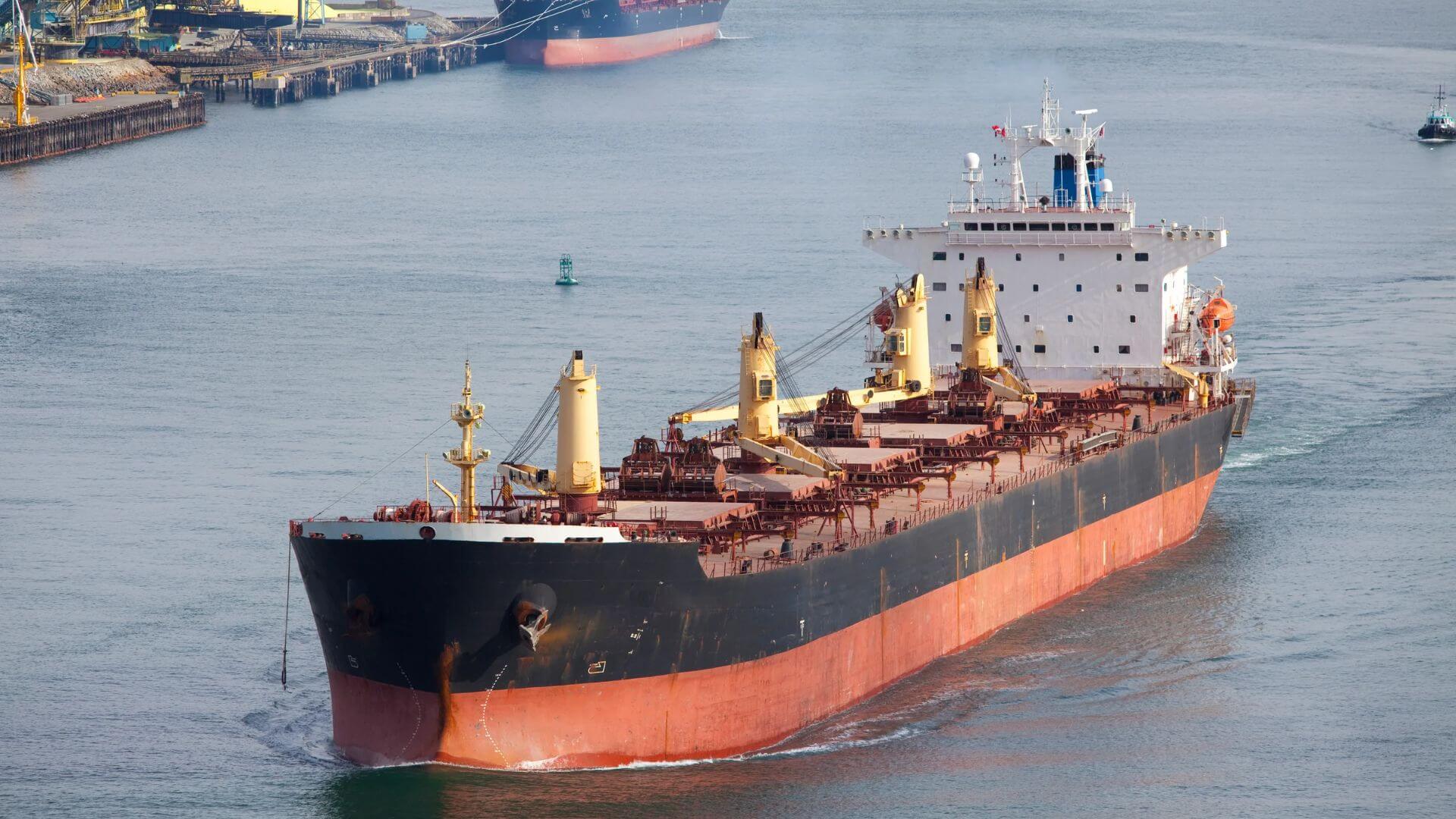
A crew member injured. Engine spares stolen. Three armed robberies in nine days along a single shipping lane. The November 2026 incidents in the Singapore Strait, reported by the ReCAAP Information Sharing Centre, are not anomalies, they are signals. Our view is plain: the maritime industry is losing ground on a security problem it has known about for years, and the data now demands a calibrated, real-time response rather than periodic alerts. This is not about isolated criminal acts; it is about a systemic vulnerability in one of the world's most critical chokepoints, a corridor through which a third of global seaborne trade passes.
These incidents follow a pattern that should concern every operator in the region. ReCAAP recorded 23 sea robberies in the strait from January to September 2026, and the recent cluster, involving two bulk carriers and a tanker, shows that perpetrators are adapting. In two of the three cases, the thieves knew exactly what to take: engine spares. That is not random theft. It suggests intelligence, planning, and a clear understanding of shipboard logistics. Meanwhile, the broader context of seafarer safety remains fragile, as highlighted by the 19 Indian seafarers evacuated from Yemen after two-week delay and the ongoing calls for safe passage through the Strait of Hormuz, as India seeks safe passage for seafarers. These are not separate stories; they are linked by a common thread: the people moving global goods remain exposed, whether to armed boarding in Southeast Asia or geopolitical instability in the Middle East.
The numbers from Risk Intelligence analyst Thomas Timlen are worth sitting with. He notes that approximately 41% of ships boarded in the Singapore Strait have involved perpetrators carrying arms, and many more likely carried concealed weapons. That figure is empirically measured, and it should drive a rethinking of onboard security protocols. A sharp lookout at night is necessary, but it is not sufficient. The industry needs integrated data ecosystems that share threat intelligence in real time, not just after an incident is reported to the Singapore Vessel Traffic Information System or the Indonesian authorities. The gap between an attack occurring and a response arriving is where injuries happen and where spares disappear. We need to close that gap with predictive analytics and validated reporting loops, not just post-incident investigations.
The practical takeaway for operators in the strait is this: treat every boarding as a potential armed encounter, and equip crews accordingly. The ReCAAP alert urges vigilance, but vigilance without calibrated training and hardware is just hope. The rise in robberies after months of calm suggests that the lull was not a victory, it was a preparation cycle. The question we should be watching is whether the shipping industry will integrate these empirical signals into its operational planning, or whether it will wait for the next injury to prompt another alert. The data is available. The question is whether we choose to act on it.