Maritime Decarbonisation
World Data Ocean keeps Maritime Decarbonisation in one place: 3 stories so far. The section currently leads with “Protecting Biomethane Supply Chains Vital for Maritime Decarbonization”, “Accelerating Maritime Transition: Marine Insight and Azolla Partner for Ocean Intelligence.”, and “Fuel Cells Chart a Course for Decarbonizing Maritime Shipping”. The liquefied biomethane supply chain is a validated pathway for measurable decarbonisation, not a theoretical concept. Decarbonization demands more than ambition; it demands coordinated action. A Global Hub for Ocean Intelligence 4 World Data Ocean is a centralized digital platform where researchers, scientists, and ocean enthusiasts converge to… The list below is every Maritime Decarbonisation story on World Data Ocean, newest first.
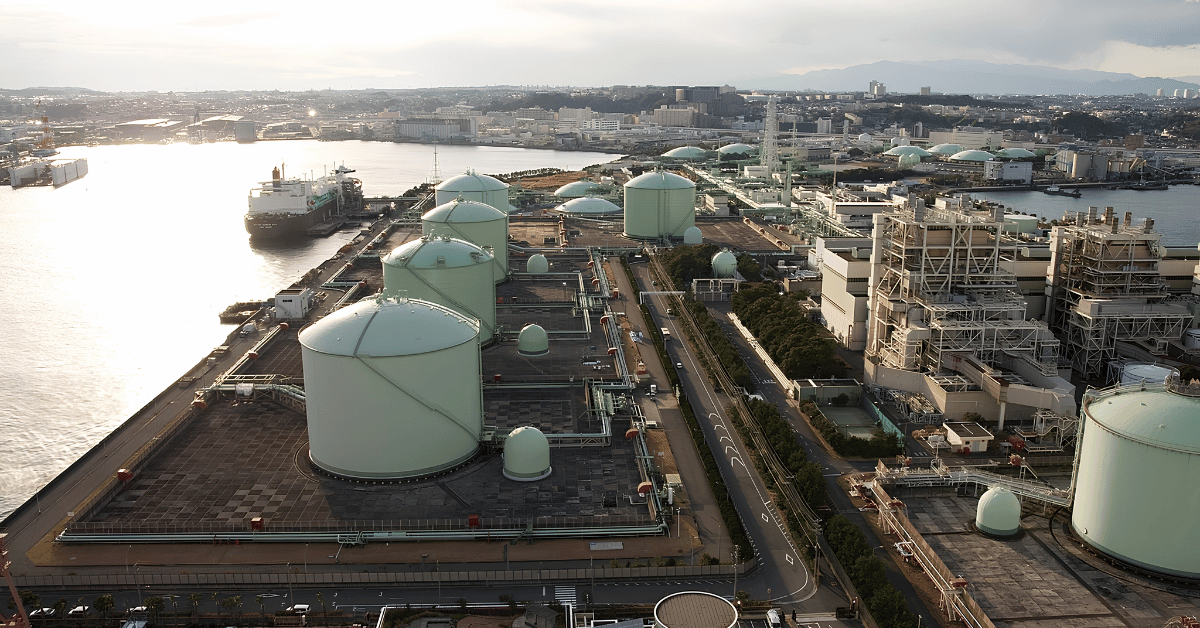
Protecting Biomethane Supply Chains Vital for Maritime Decarbonization
The liquefied biomethane supply chain is a validated pathway for measurable decarbonisation, not a theoretical concept. SEA-LNG's urgent call for the EU to protect mass-balance accounting is empirically sound: regulatory disruption would raise costs and stall progress. Protecting these integrated pathways is a matter of scientific integrity. For deeper context on alternative fuel innovations, see our coverage of the *Ammonia Bunkering Milestone*. Purpose-driven policy must match the urgency of ocean stewardship.

Accelerating Maritime Transition: Marine Insight and Azolla Partner for Ocean Intelligence.
Decarbonization demands more than ambition; it demands coordinated action. Marine Insight and Azolla have formed a strategic alliance to accelerate the maritime transition, pairing Marine Insight's global reach with Azolla's technical depth in vessel performance and regulatory compliance. This partnership is a practical step toward measurable progress. For those tracking the regulatory side of this shift, our related piece on validating onboard emissions data for LNG shipping offers a useful parallel. The transition is complex, but integrated data ecosystems make it navigable.
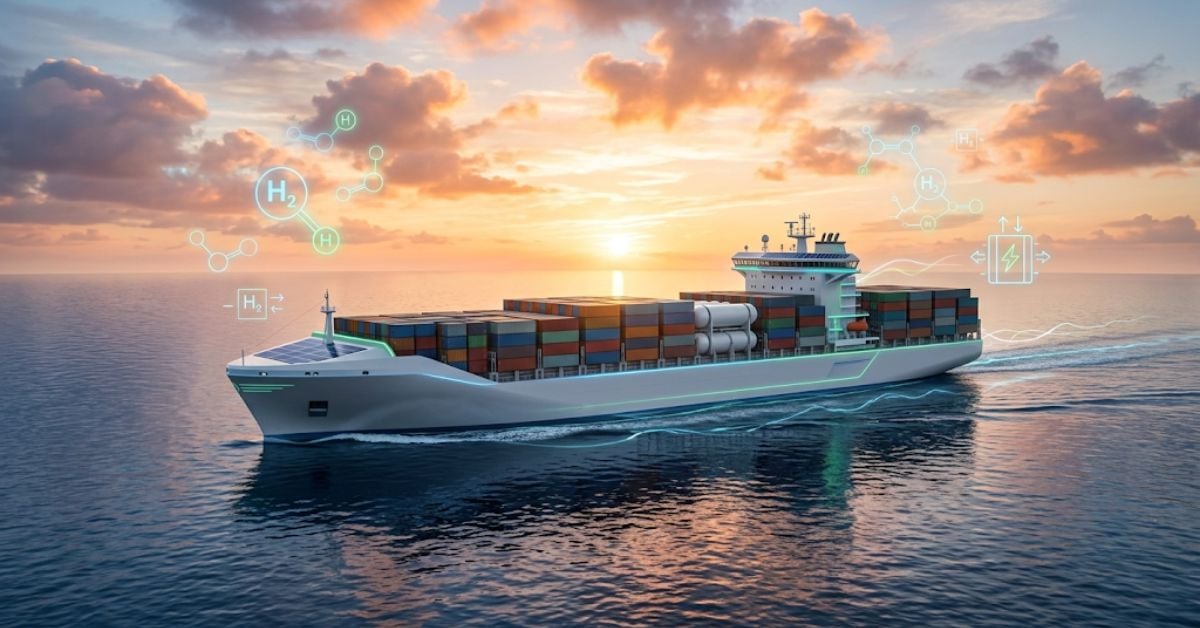
Fuel Cells Chart a Course for Decarbonizing Maritime Shipping
Fuel cells are moving from the laboratory to the load plan. As FuelEU Maritime regulations tighten, the technology is shifting from a promising concept to a commercial reality. We see this as a practical, flexible pathway for cutting emissions across the fleet. The maritime sector needs actionable solutions, and this is one that warrants close attention. For broader context on how these pressures intersect, our coverage of Integrated Ocean Governance offers a wider lens on the challenges ahead.