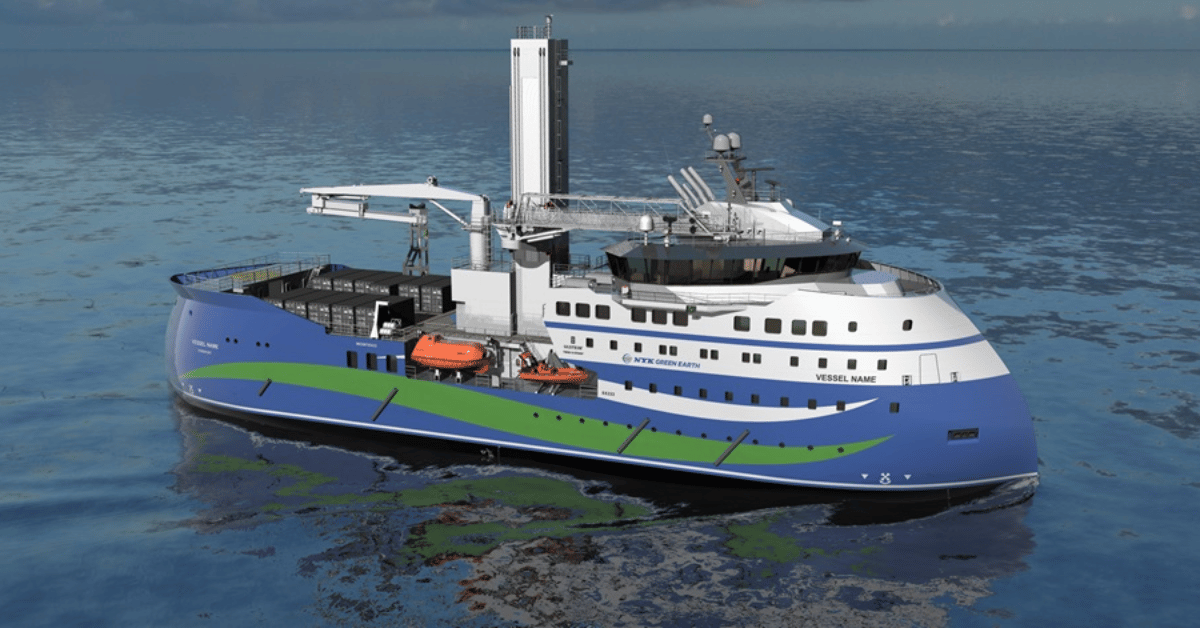
A new service operation vessel (SOV) ordered by NYK, scheduled for delivery around 2029, signals a measured but meaningful step forward for offshore wind in the Asia-Pacific region. The vessel, designed with a motion-compensated gangway and crane, is built to support projects specifically in Taiwan and the surrounding waters. This is not a headline about a prototype or a distant ambition; it is a concrete procurement decision that tells us the industry is calibrating for long-term, real-time operations in a demanding marine environment. While the broader energy conversation often gets tangled in political reversals, such as the recent Offshore Wind Lease Reversal: Administration Offers $4 Billion Reimbursement in the United States, this order keeps focus on the empirical work of building infrastructure that can withstand the conditions it will face.
What makes this development worth watching is the precision it implies. A motion-compensated gangway is not a luxury; it is a validated requirement for safely transferring technicians and equipment in seas that do not cooperate. The Asia-Pacific region, particularly the waters off Taiwan, presents a complex set of variables, typhoon seasons, strong currents, and variable seabed conditions, that demand integrated data ecosystems and climate indicators to plan maintenance windows and turbine access. This vessel is a floating platform for that kind of operational intelligence. It is a direct contrast to the kind of headline we saw earlier this year when a Submerged Fishing Vessel Located, Human Remains Identified reminded us that the sea does not forgive poor planning. Offshore wind is not exempt from that rule.
For our readers, whether you are a project developer, a marine engineer, or a policymaker tracking energy transition metrics, the practical takeaway is this: the timeline matters. A 2029 delivery means that the vessel's design must anticipate conditions and technology standards nearly a decade from now. It forces the question of whether current seabed surveys, cable routing plans, and turbine specifications will still be valid by then. This is where longitudinal data becomes indispensable. We would tell any reader asking about this order that it is not just about one ship. It is about whether the supporting infrastructure, port facilities, grid connections, and workforce training, is being built at the same pace. A highly capable SOV is only as effective as the shore-side systems it connects to.
One specific detail to watch is the vessel's operational range and crew endurance. The Asia-Pacific offshore wind market is not a single contiguous zone; it is a series of distinct projects separated by significant distances. Can this SOV service multiple fields without returning to port every few days? The answer will determine whether this investment is a genuine step toward an integrated regional fleet or a bespoke solution for a single project. That distinction will matter more than the delivery date itself.