Oil Tanker Firm Says It Is Owed $55 Million By A Counterparty In Freight Rate Dispute
Our take
The recent announcement from Hunter, an oil tanker firm, regarding a $55 million dispute with a counterparty highlights a growing fragility within the global maritime shipping ecosystem, particularly concerning freight rate volatility and contractual enforcement. This dispute, unfolding over six months with reported shortfalls of $9.22 million and $10.37 million, underscores the financial risks inherent in a sector already navigating geopolitical complexities. The situation is further complicated by escalating tensions in critical waterways like the Strait of Hormuz, as evidenced by recent events including Iran Says New Anti-Ship Missile Was Tested Over US Navy Warship As Strait Of Hormuz Tensions Rise and the ongoing concerns surrounding maritime security in the region. The movement of a Qatar LNG Tanker Sails Through Strait Of Hormuz For First Time Since July demonstrates the continued vital importance of this waterway despite the risks.
The core issue isn't simply a disagreement over payment; it reflects broader systemic pressures within the tanker market. Fluctuations in oil prices, shifts in global demand, and increasingly stringent environmental regulations all contribute to a volatile pricing landscape. These factors can lead to disagreements over agreed-upon freight rates, particularly when contracts lack clear mechanisms for adjusting to unforeseen circumstances. The incident involving the Saudi oil tanker and the subsequent Oman Evacuates 16 Crew From Saudi Oil Tanker Attacked By Iran In Strait Of Hormuz serves as a stark reminder of the geopolitical risks that can directly impact shipping operations and contractual obligations. The substantial sum involved in the Hunter dispute suggests a significant contractual arrangement and raises questions about the due diligence processes employed by both parties. A protracted legal battle could further destabilize the market, impacting other shipping companies and potentially contributing to increased freight costs.
Beyond the immediate financial implications for Hunter and its counterparty, this situation has ramifications for the insurance sector and the broader financial institutions that support maritime trade. The potential for substantial losses due to contractual disputes and geopolitical risks necessitates a reevaluation of risk assessment models and insurance coverage for tanker operations. Integrated data ecosystems, leveraging real-time climate indicators and validated shipping data, become increasingly crucial for accurately assessing and mitigating these risks. Peer-reviewed studies on maritime risk management, combined with empirical data analysis, are vital for developing robust strategies to navigate this evolving landscape. The incident underscores the need for clearer, more adaptable contractual frameworks within the tanker industry, potentially incorporating clauses that address unforeseen events and provide mechanisms for dispute resolution outside of lengthy legal proceedings.
Looking ahead, the long-term implications of this dispute extend to the entire global supply chain. The efficient and reliable transport of energy resources is fundamental to the global economy, and disruptions, whether financial or geopolitical, can have cascading effects. The need for greater transparency and collaboration across the maritime industry, facilitated by calibrated data sharing and longitudinal risk assessments, is undeniable. A key question moving forward is whether this incident will spur a broader conversation about the need for standardized contractual practices and enhanced risk mitigation strategies within the tanker market, or if it will remain an isolated case highlighting the inherent volatility of global trade.
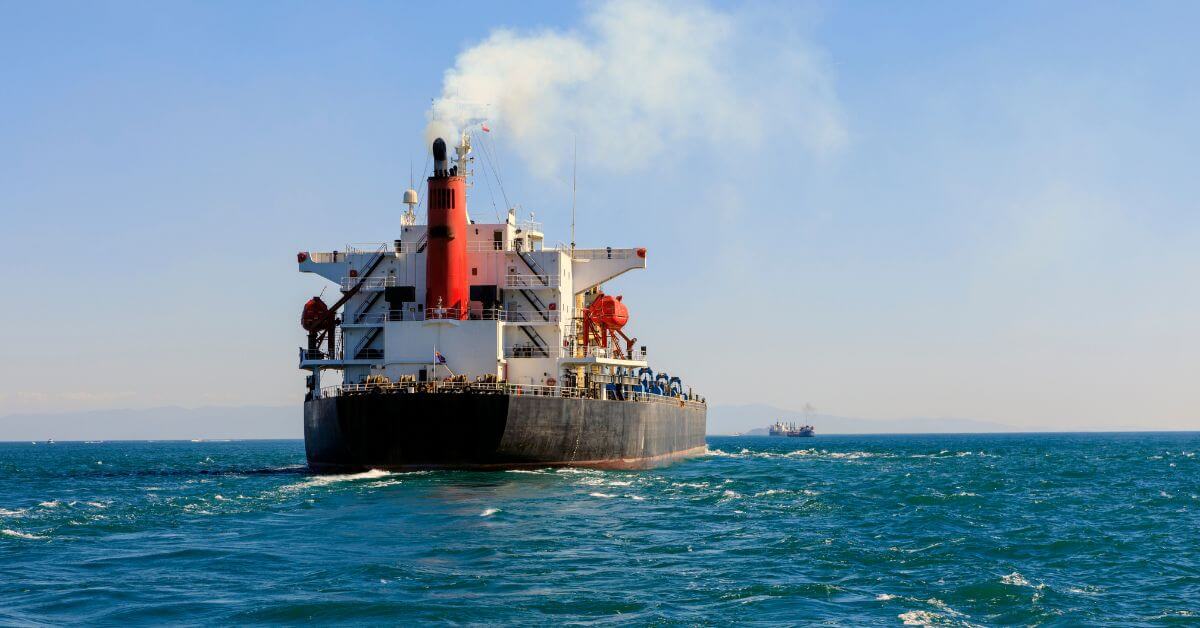
Oil tanker firm Hunter Group ASA says it is owed about $55 million in a dispute over charter payments.
The company said the unpaid amount has reached $55.04 million, plus interest. For August, the counterparty paid about $11.75 million less than what Hunter says it was owed. This was the biggest monthly payment gap so far.
The dispute has been going on for six months. Hunter reported a shortfall of $8.31 million in March, $9.22 million in April and $10.37 million in May. The shortfall was $7.88 million in June and $7.19 million in July.
Hunter has not named the counterparty. In May, a person familiar with the matter said the customer involved was commodity trader Mercuria Energy Group.
The two sides disagree over payments linked to a tanker freight benchmark.
Hunter’s contracts are linked to the Baltic Exchange’s TD3C Middle East Gulf-China benchmark. The counterparty disputes its contractual obligations and is expected to argue that the reference rate has been distorted by disruption to the Middle East-China route during the US-Iran war.
Hunter says there is no contractual basis for the lower payments.
The dispute is now in arbitration in London under English law. Hunter began proceedings with the London Maritime Arbitrators Association in June after the amount in dispute reached $28.21 million. It is seeking the unpaid charter payments, along with costs and interest.
Tanker rates have reached record levels.
On Monday, tanker earnings on the Saudi Arabia-China route hit a record $728,000 a day, more than 10 times the average rate last year.
Tanker owners have been asking for higher rates to enter the Persian Gulf because of the risk of attack since the start of the Iran war.
The rate difference is large depending on where a ship starts its voyage.
Ships carrying crude to China from outside the Strait of Hormuz were earning about $302,000 a day. That was still high but much lower than the $728,000 a day assessed for the Saudi Arabia-China route.
Hunter benefited as tanker rates increased.
In the second quarter, its average spot-linked charter-out rate was $452,922 a day. Its average charter-in cost was $51,750 a day, giving it an average margin of $401,172 a day.
The company reported net time charter earnings of $73 million for the quarter and a net profit of $47 million.
Rates continued to rise in the third quarter.
By the end of August, 61% of Hunter’s vessel days for the third quarter were already booked, at about $460,000 a day on average.
Its August bookings averaged about $547,000 a day. Its spot-linked rate at the time was about $666,000 a day.
Hunter reported net time charter earnings of about $31.69 million for August. More than one-third of that amount was unpaid, based on the company’s figures.
Reference: Bloomberg
Read on the original site
Open the publisher's page for the full experience