New Ship-Mounted Weapon System Passes 48 Tests To Protect Naval Vessels From Drone Attacks
Our take

The rapid proliferation of unmanned aerial systems (UAS), commonly known as drones, presents a growing challenge to maritime security. Recent developments, such as the successful completion of 48 trials for a new ship-mounted counter-drone system by Mehler Production, highlight the escalating need for robust defensive capabilities. This system, developed in a remarkably short 18-month timeframe, demonstrates the accelerated pace of innovation in response to evolving threats. The challenges of maritime object detection are well documented, as seen in our own reporting on [Data-augmented vision system for maritime object detection], where researchers are tackling the complexities of identifying vessels in aerial imagery. This new weapon system represents a tangible step towards addressing the immediate threat posed by drone swarms, a concern amplified by geopolitical tensions and the increasing accessibility of drone technology. The scale of investment in naval modernization also underscores the importance of this development; Sweden’s recent [Sweden Signs $5 Billion Deal To Acquire Four Modern French Frigates] demonstrates a broader commitment to bolstering maritime defenses, and integrating effective counter-drone systems will be a crucial component of that strategy.
The significance of this system extends beyond its immediate operational capabilities. The speed of its development – less than two years from conception to rigorous testing – reflects a paradigm shift in defense technology. Historically, such systems would have required significantly longer development cycles. This accelerated timeline is likely driven by advances in artificial intelligence, sensor technology, and the increasing availability of modular components. The emphasis on empirical testing, with over 48 trials completed, is also a positive indicator, suggesting a focus on validated performance and reliability. Such a system offers a layered defense, complementing existing radar and surveillance technologies, and providing a more agile response to drone threats. The need to safeguard critical maritime routes, as highlighted by the recent pledge from littoral states to keep the [Littoral States Pledge To Keep Straits Of Malacca And Singapore Open For Global Shipping], further underscores the importance of such defensive measures.
However, the deployment of counter-drone systems also raises complex questions regarding escalation and international law. The use of directed energy or kinetic weaponry against drones requires careful consideration of potential collateral damage and the risk of misidentification. Furthermore, the proliferation of these systems could lead to an arms race, with increasing investment in both offensive and defensive drone technologies. The integration of these systems into existing naval architecture and operational procedures will also be crucial for ensuring their effectiveness. The system's modular design, facilitating mounting on various vessel types, is a positive step, but seamless integration with command and control systems will be essential for real-time threat assessment and response. Longitudinal data collection on the system's performance in real-world scenarios will be vital for refining its capabilities and addressing any unforeseen challenges.
Looking ahead, the convergence of artificial intelligence, advanced sensor networks, and increasingly sophisticated countermeasure technologies will continue to shape the landscape of maritime defense. The successful deployment of this new system represents a crucial, albeit early, step in this evolution. A key question remains: how will the increasing autonomy of both drones and counter-drone systems impact the decision-making process in maritime conflict scenarios, and what safeguards will be necessary to ensure responsible and ethical deployment?
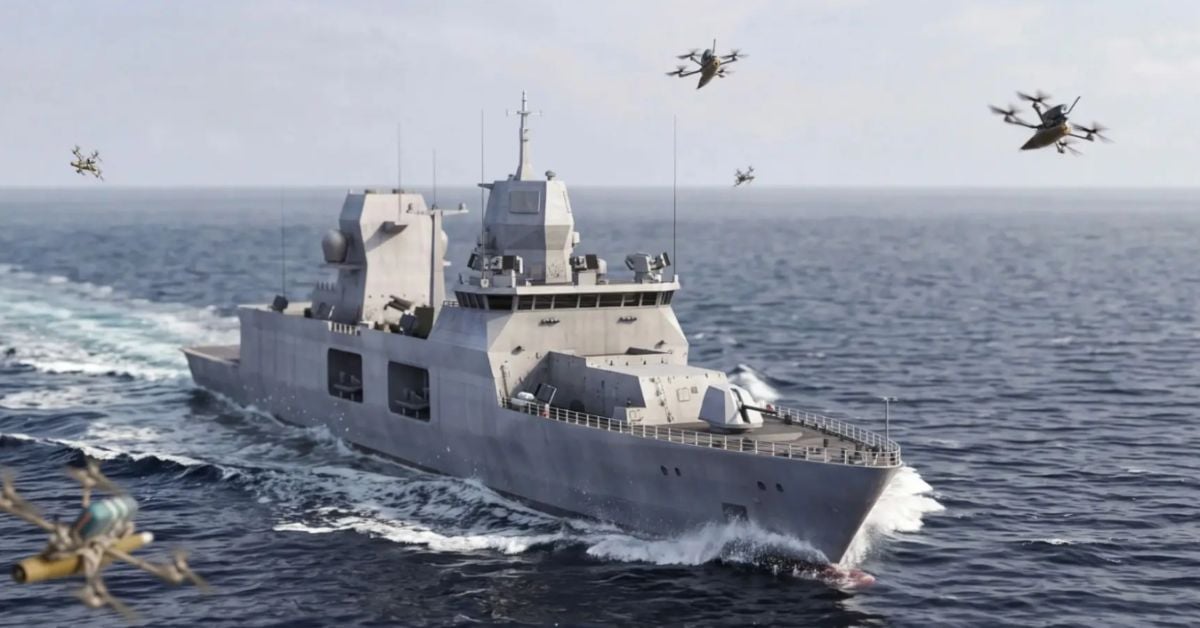
A new weapon system has been revealed at the SMM 2026, capable of targeting FPV drones, munitions, and unmanned aircraft operating dangerously close to ships, when crew members have little time to respond to threats, especially near ports or channels, canals or confined waterways.
The counter-drone system can be mounted on vessels and was developed by Mehler Production in about 18 months and subjected to more than 48 trials.
The German Company tested the system called SCILT NAVAL on different parameters, including transmission of data, behaviour of ammunition and its ability to withstand rough conditions at sea.
It was also exposed to saltwater and other stressful situations which are common on warships. The range of target engagement was also evaluated and was then used to refine its functioning.
Drones have changed the nature of naval warfare by offering efficiency at lower prices compared to missiles.
Hence, many defence companies are coming up with new models of drones. The SCILT NAVAL is one such drone which can target missiles and aircraft before they can reach a ship, but its effectiveness might differ depending on the distance of the threat from the ship.
The drone system can be deployed close to ports, narrow channels, rigs, floating platforms operated by navies and risky naval missions.
The system can be installed on different kinds of ships, such as small craft which may not have air defences. It can engage individual targets as well as drone swarms during attacks by dividing the response into stages.
It can use different kinds of ammunition depending on the requirement, such as those that can even pierce armour. The ammunition is loaded automatically by the system and has greater efficiency than human operators would have when making decisions regarding the final engagement.
SCILT NAVAL can be linked to a vessel’s command and control system and can also work independently with the help of its sensors and other components.
Read on the original site
Open the publisher's page for the full experience