naval warfare
naval warfare at World Data Ocean is a file of 4 stories. The newest of them: “Autonomous Refueling Extends Ocean Drone Mission Capabilities.”, “Validated Counter-Drone System Enhances Naval Vessel Protection Through Empirical Testing”, and “Drone-Launched Weapons Enhance Carrier-Based Anti-Submarine Capabilities”. In just seven months, a robotic system refueled a drone boat at sea, sparing it a return to port. Forty-eight trials in 18 months is a rigorous gauntlet, and the result is a counter-drone system that earns its place on a naval deck. A Global Hub for Ocean Intelligence 4 World Data Ocean is a centralized digital platform where researchers, scientists, and ocean enthusiasts converge to… The list below is every naval warfare story on World Data Ocean, newest first.
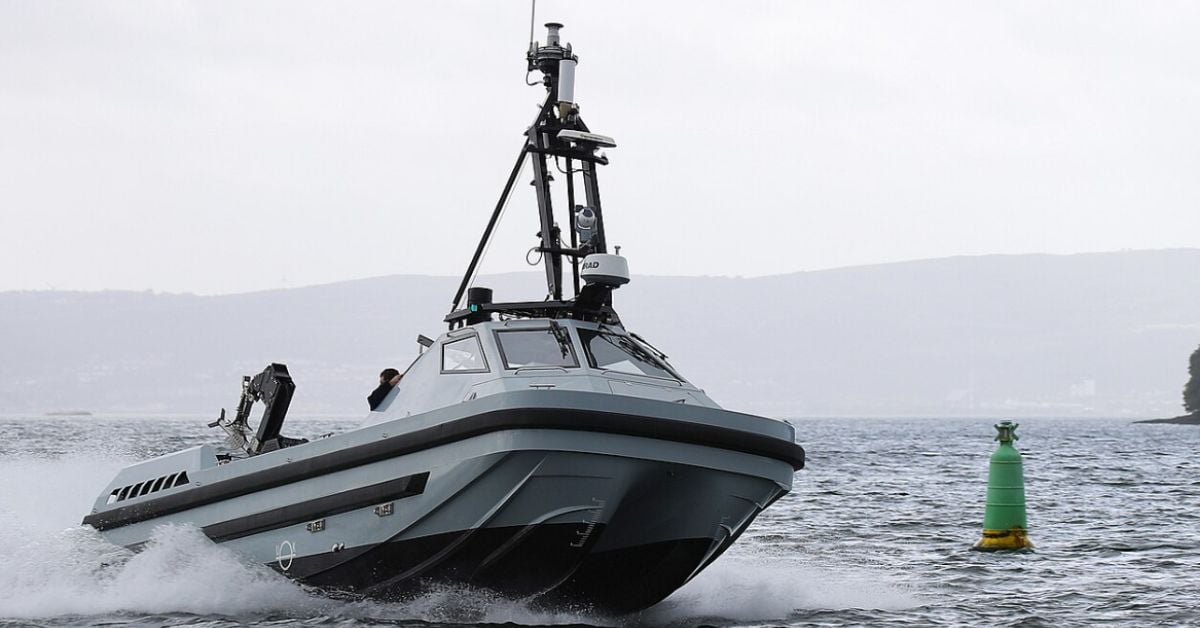
Autonomous Refueling Extends Ocean Drone Mission Capabilities.
In just seven months, a robotic system refueled a drone boat at sea, sparing it a return to port. That speed matters. Extending mission range without shore-side stops is the kind of incremental progress that turns autonomous systems from experimental tools into practical assets. It is a measured step, but a telling one. For deeper context on how the Navy is folding such capabilities into broader operations, our related coverage in "Navy Accelerates Autonomous Systems Integration for Enhanced Maritime Operations" offers useful grounding.
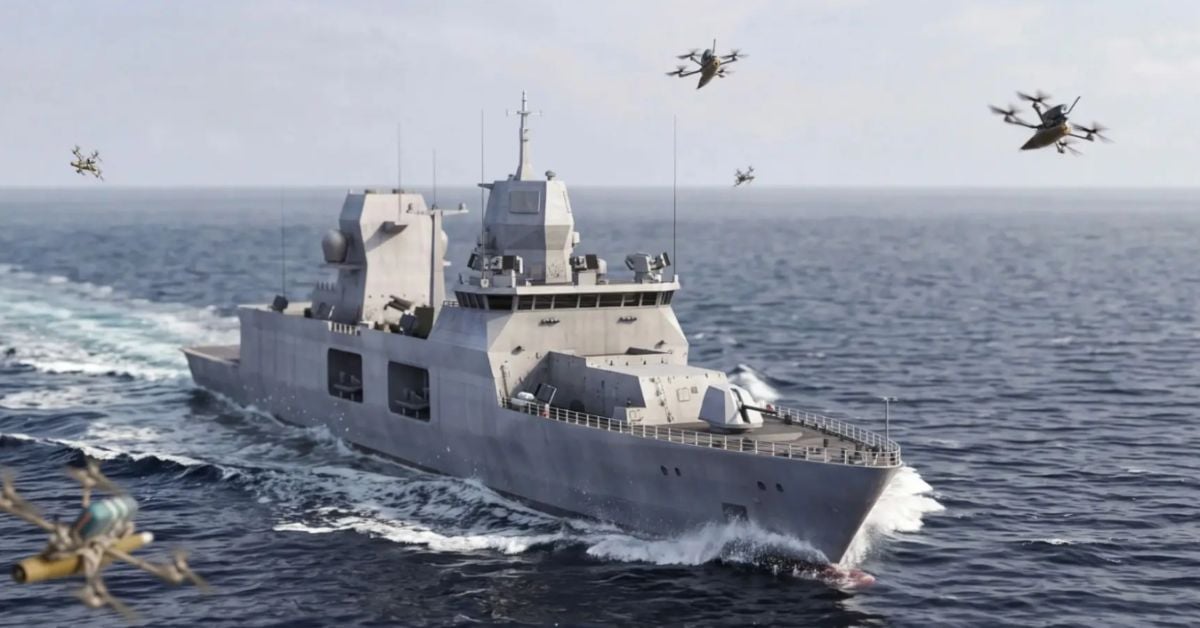
Validated Counter-Drone System Enhances Naval Vessel Protection Through Empirical Testing
Forty-eight trials in 18 months is a rigorous gauntlet, and the result is a counter-drone system that earns its place on a naval deck. Mehler Production has delivered empirical proof that protection can be calibrated to the real-world chaos of maritime threats. This is the kind of validated engineering that turns defensive capability into a measurable fact. For context on the evolving drone threat, our coverage of Russian Maritime Activity Raises Concerns of Drone Operations in Mediterranean offers a timely backdrop.
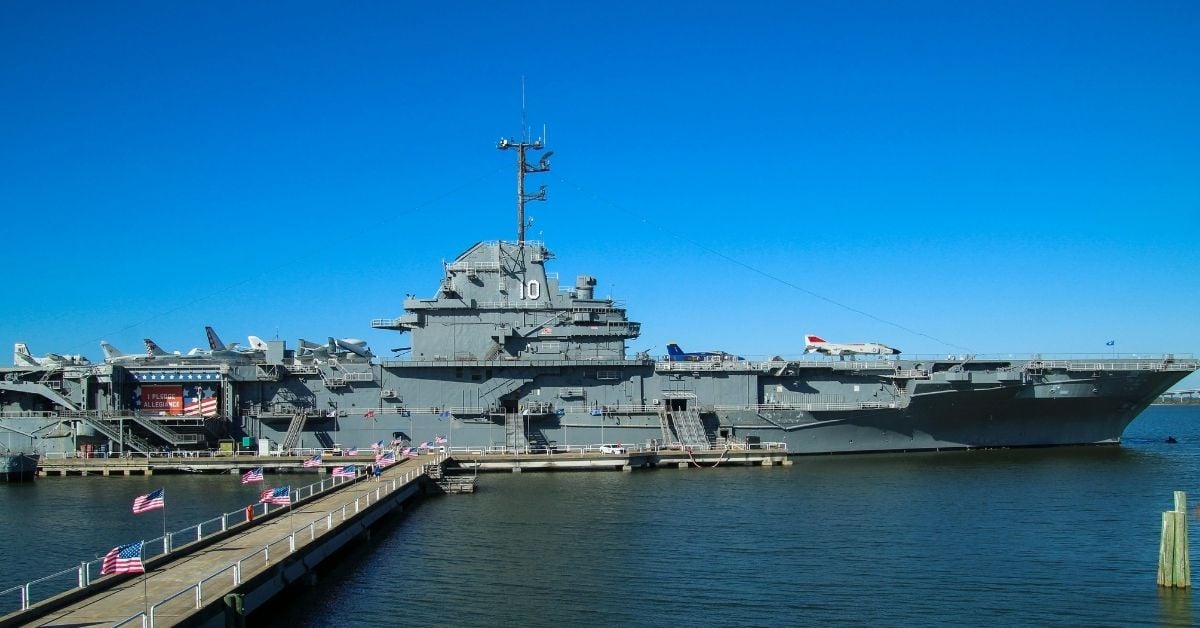
Drone-Launched Weapons Enhance Carrier-Based Anti-Submarine Capabilities
The U.S. Naval Air Systems Command is developing a weapon designed to be fired from carrier-launched drones against enemy submarines, extending strike reach beyond the ship's horizon. This is a calibrated step toward integrated ocean intelligence, pairing unmanned platforms with anti-submarine warfare in ways that demand precision. The capability reflects a broader naval evolution, much like India's expanded fleet projections. The ocean is vast, but layered, measured responses like these keep it navigable.

Expanding Maritime Domain Awareness: India Acquires Long-Range Naval Drones
India's Ministry of Defence is moving to equip its warships with ship-launched, long-range "kamikaze" drones, adding a new layer of medium-range strike capability to the fleet. It is a calibrated step toward greater operational flexibility, one that reflects a practical understanding of modern naval threats. The acquisition signals a deliberate investment in autonomous systems, not a reactionary measure. For broader context on where the service is headed, our coverage in "India Projects Expanded Naval Fleet to Navigate Evolving Maritime Landscape" outlines the strategic trajectory.