drone attacks
11 stories filed under drone attacks on World Data Ocean. The newest of them: “Drone Attacks Ignite Russian Tankers Off Romania's Black Sea Coast”, “Red Sea crude flows rise as Strait of Hormuz disruptions reshape global routes”, and “Russian Maritime Activity Raises Concerns of Drone Operations in Mediterranean”. Two tankers of Russian origin were struck by drones off Romania's Black Sea coast, igniting fires that underscore the growing intersection of geopolitical conflict and maritime risk. Crude loadings at Yanbu have held at roughly 2 million barrels per day since last week, according to trade estimates. A Global Hub for Ocean Intelligence 4 World Data Ocean is a centralized digital platform where researchers, scientists, and ocean enthusiasts converge to… The list below is every drone attacks story on World Data Ocean, newest first.
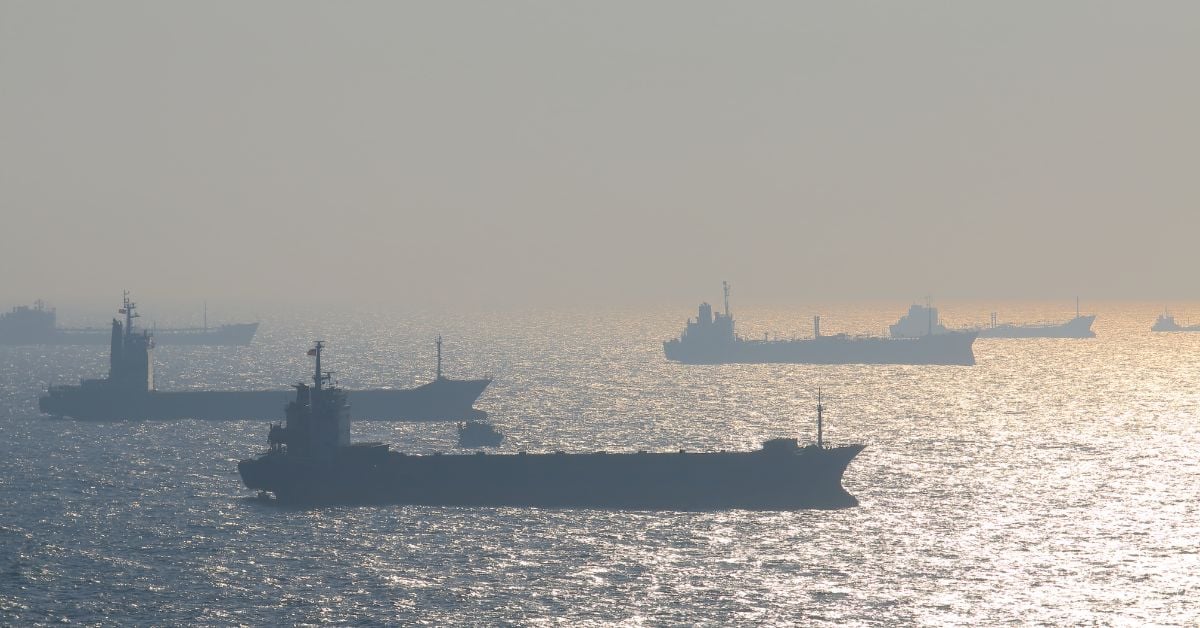
Drone Attacks Ignite Russian Tankers Off Romania's Black Sea Coast
Two tankers of Russian origin were struck by drones off Romania's Black Sea coast, igniting fires that underscore the growing intersection of geopolitical conflict and maritime risk. This incident demands empirical attention: such attacks disrupt trade routes and threaten marine ecosystems in a region already under environmental stress. For deeper context on how shifting trade dynamics and climate pressures are reshaping shipping, see our related coverage on maritime fees signaling friction in trade amid climate and shipping integration.
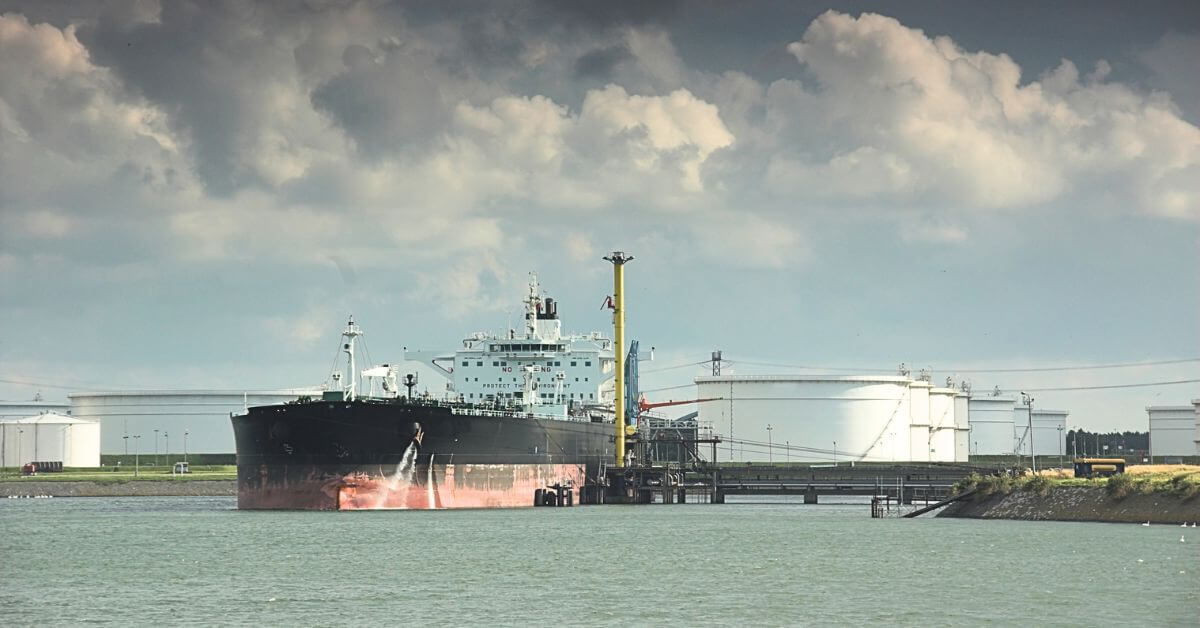
Red Sea crude flows rise as Strait of Hormuz disruptions reshape global routes
Crude loadings at Yanbu have held at roughly 2 million barrels per day since last week, according to trade estimates. This surge in Red Sea flows signals a tangible recalibration of global routes as Strait of Hormuz disruptions force new calculations. The shift is measurable and consequential for energy security. For deeper context on maritime risk, see our coverage of the vessel struck by an unknown projectile in the Strait of Hormuz. Understanding these patterns is essential, because where oil moves, ocean intelligence follows.
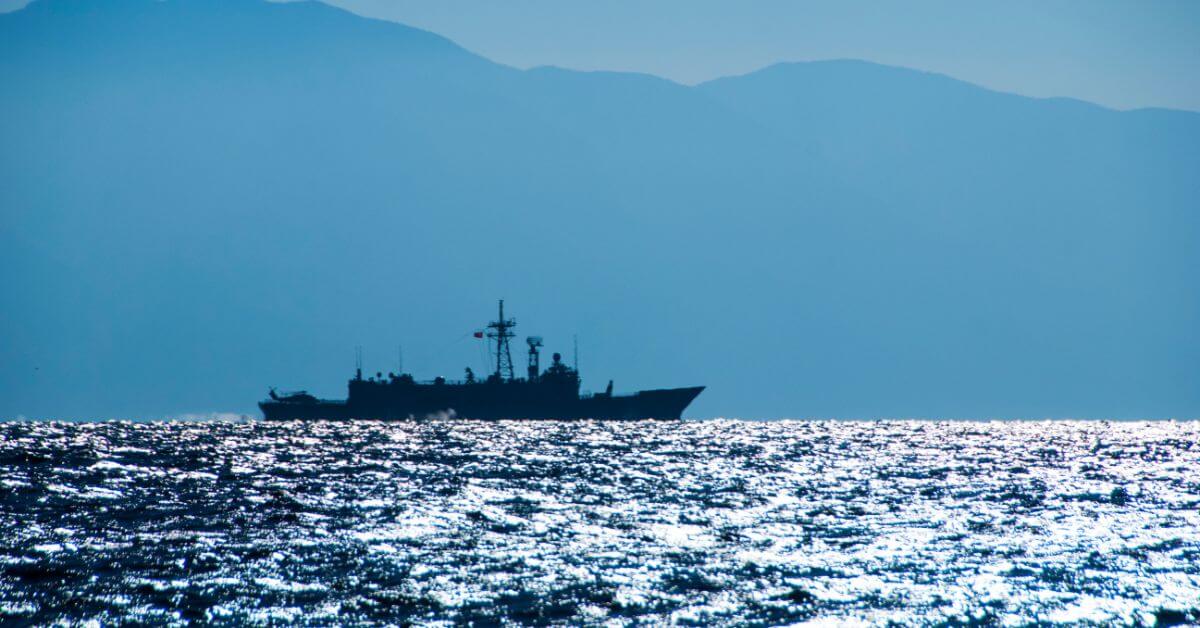
Russian Maritime Activity Raises Concerns of Drone Operations in Mediterranean
A CIA warning to European allies points to a suspected Russian plan to launch drones from commercial ships in the Mediterranean. The move signals a calibrated escalation, one that turns civilian vessels into potential platforms for covert operations. It is a reminder that maritime security now extends beyond traditional naval threats. For context on Russia's broader maritime strategy, our related coverage of the Northern Sea Route icebreaker fleet offers useful background.
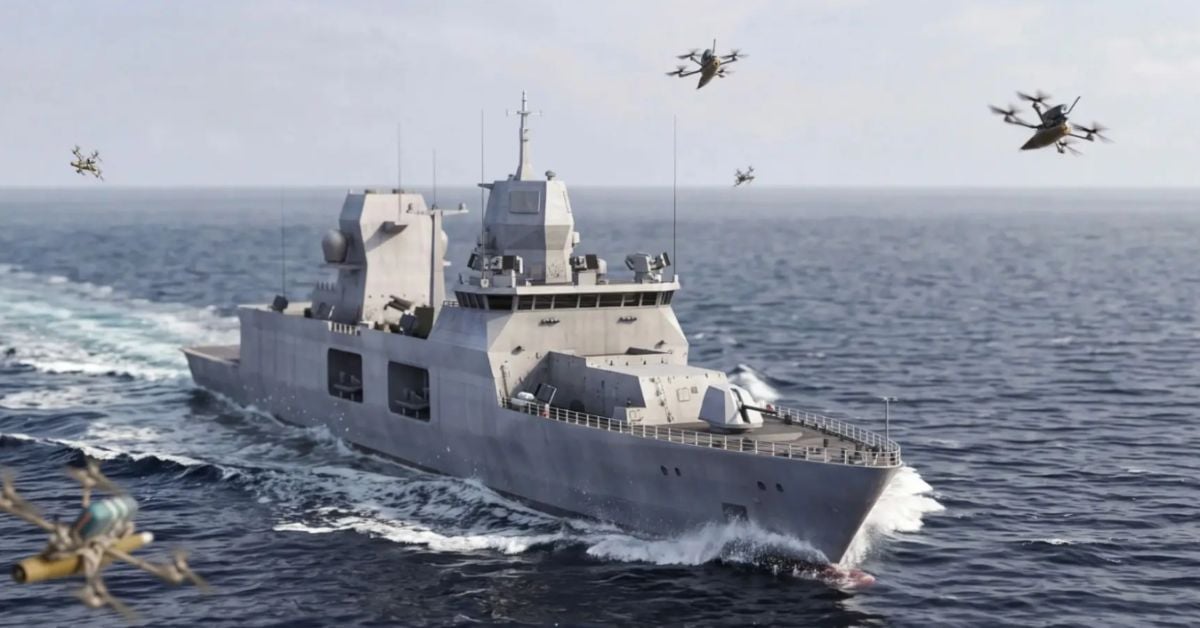
Validated Counter-Drone System Enhances Naval Vessel Protection Through Empirical Testing
Forty-eight trials in 18 months is a rigorous gauntlet, and the result is a counter-drone system that earns its place on a naval deck. Mehler Production has delivered empirical proof that protection can be calibrated to the real-world chaos of maritime threats. This is the kind of validated engineering that turns defensive capability into a measurable fact. For context on the evolving drone threat, our coverage of Russian Maritime Activity Raises Concerns of Drone Operations in Mediterranean offers a timely backdrop.

Protecting Indian Shipping: Union Calls for Naval Presence in Red Sea
The Forward Seamen's Union of India has called on the Modi Government to deploy Navy warships in the Red Sea, a direct response to mounting threats against Indian vessels and the seafarers who crew them. The request is measured and necessary. Protecting commercial routes is not an act of aggression; it is the baseline for stable trade and safer transit. This aligns with broader strategic discussions, including India's planned naval expansion toward a more contested maritime future.

Black Sea Shipping Under Threat: Calls for Protected Maritime Passage
The attacks on the Turkish-owned RoRo cargo ship *Nadezhda* and the containership *Yasar* mark a dangerous escalation, striking vessels as they departed Novorossiysk. This is not abstract risk; it is a direct threat to the crews and the trade routes that depend on stable passage. Such actions demand a measured, empirical response from the international community. For broader context on these escalating patterns, our report, "Strikes Target Ports and Vessels in Confirmed Military Action," details the wider offensive. Protection is no longer optional.

Shipping Disruptions Impact Russian Coal Exports Amidst Black Sea Conflict
A shortage of available vessels is now constraining Russian coal exports through Black Sea ports, a direct consequence of Ukrainian drone attacks disrupting shipping. The pressure on this route is not incidental; it is a measurable shift in the region's commercial viability. While Moscow adapts its broader maritime strategy, as seen in our coverage of the Northern Sea Route icebreaker levy, this immediate bottleneck underscores how conflict reshapes trade logistics.

Black Sea Disruptions: Grain Exports at Risk, Global Food Prices Rise
Wheat prices are climbing again as attacks on Black Sea ports and vessels put grain exports at risk. The disruption is not abstract; it is measurable in global markets and in the cost of food. This is a reminder that maritime security and food security are the same issue, viewed from different angles. For context on how regional instability shapes shipping and trade, our related piece on Gulf of Oman STS transfers offers a useful parallel.

Securing Maritime Routes: Urgent Global Action Needed to Protect Shipping.
Attacks on commercial shipping across the Black Sea, Red Sea, Gulf of Aden, and Strait of Hormuz are no longer isolated incidents; they are a coordinated challenge to global trade. This pattern demands a unified, empirical response, not reactive patchwork. The data is clear: maritime routes are increasingly contested, and the cost of inaction is measurable. We support urgent, collaborative action to protect these vital corridors. For deeper context on the region's pressures, our coverage of Gulf of Oman STS transfers offers a relevant perspective.

Black Sea Shipping Risks: India Urges Crew to Prioritize Safety Assessments
Five Indian crew deaths since April have made one thing clear: the Black Sea's commercial routes now carry a security calculus that outweighs any wage premium. India's advisory urging seafarers to conduct rigorous risk assessments before accepting such postings is measured, practical, and overdue. Safety must anchor every employment decision in these waters. For those navigating this volatile region, preparation is protection.

Shipping Restricted at Novorossiysk Amid Increased Security Measures.
Novorossiysk, the conduit for up to one-third of Russia's grain exports, now faces shipping restrictions amid tightened security measures. The port's role is set to expand as it absorbs cargo diverted from the Sea of Azov, concentrating risk where logistics already run dense. This is a calibrated response to a volatile moment, not a panic. For context on how Moscow is reordering its maritime economics, our related piece on Russia's icebreaker export revenue offers a useful counterpoint.