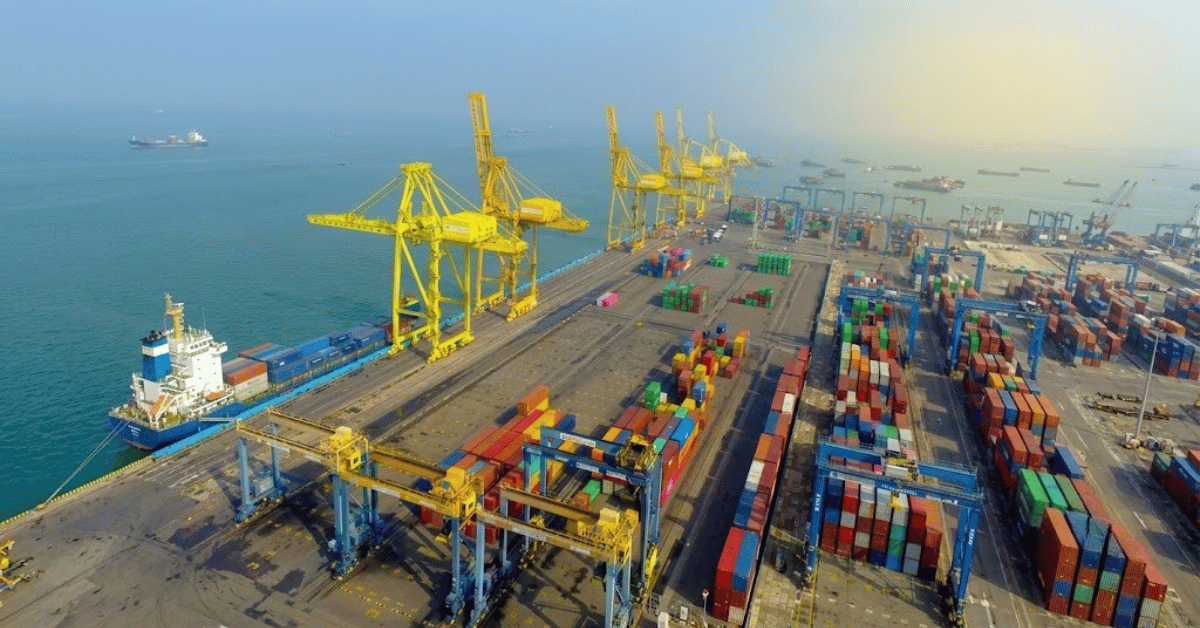
The addition of 18.33 million tonnes of validated cargo capacity at Tuna Tekra is not merely an infrastructure update; it is a calibrated expansion of the ocean data ecosystem that directly improves the measurable intelligence available to global supply chains. When Essar Ports commits ₹2,276 crore to a multipurpose terminal capable of berthing Cape-size vessels of up to 170,000 DWT, they are integrating a new, empirical node into the network of ports, logistics, and real-time trade flows that define modern maritime commerce.
This development arrives alongside other signals of systemic modernization. We have recently seen Mormugao Port Authorises Private 5G for Measurable Logistics Intelligence, demonstrating how connectivity upgrades create a backbone for real-time data collection. Similarly, the record cargo day at Kandla, the same port authority that now oversees Tuna Tekra, proved that existing capacity can be pushed to its limits. The new terminal, with its four 300-metre berths and 18-metre draft, directly addresses that constraint. For our readers, researchers tracking climate indicators, policymakers assessing trade resilience, and logistics analysts building integrated data ecosystems, this means a new, peer-reviewed source of operational data will soon come online. Every vessel movement, every tonne of cargo handled, and every efficiency gain at this terminal will be a measurable data point.
The strategic placement on India's western coast and the design for larger vessels imply a shift toward scale and efficiency. Larger ships mean fewer but more concentrated port calls, which changes the patterns of emissions, congestion, and multimodal connectivity that our community monitors. The project's adherence to the Green Port Policy and environmental requirements suggests that this capacity will be developed with empirical standards for impact, not just throughput. This is a purposeful expansion, not a speculative one. The foundation stone was laid by the Prime Minister, and the investment structure, with Essar Ports contributing over ₹1,552 crore and the port authority providing common-user infrastructure like dredged channels and approach roads, creates a shared accountability for performance.
What remains to be watched is how this terminal's operational data integrates with the broader ocean intelligence network. Essar's existing portfolio spans Gujarat, Indonesia, and the United Kingdom, offering a longitudinal view of cargo flows across regions. The real test will be whether the data from Tuna Tekra, berth utilization, vessel turnaround times, cargo throughput, is made accessible and interoperable for peer-reviewed analysis and real-time climate and trade modeling.