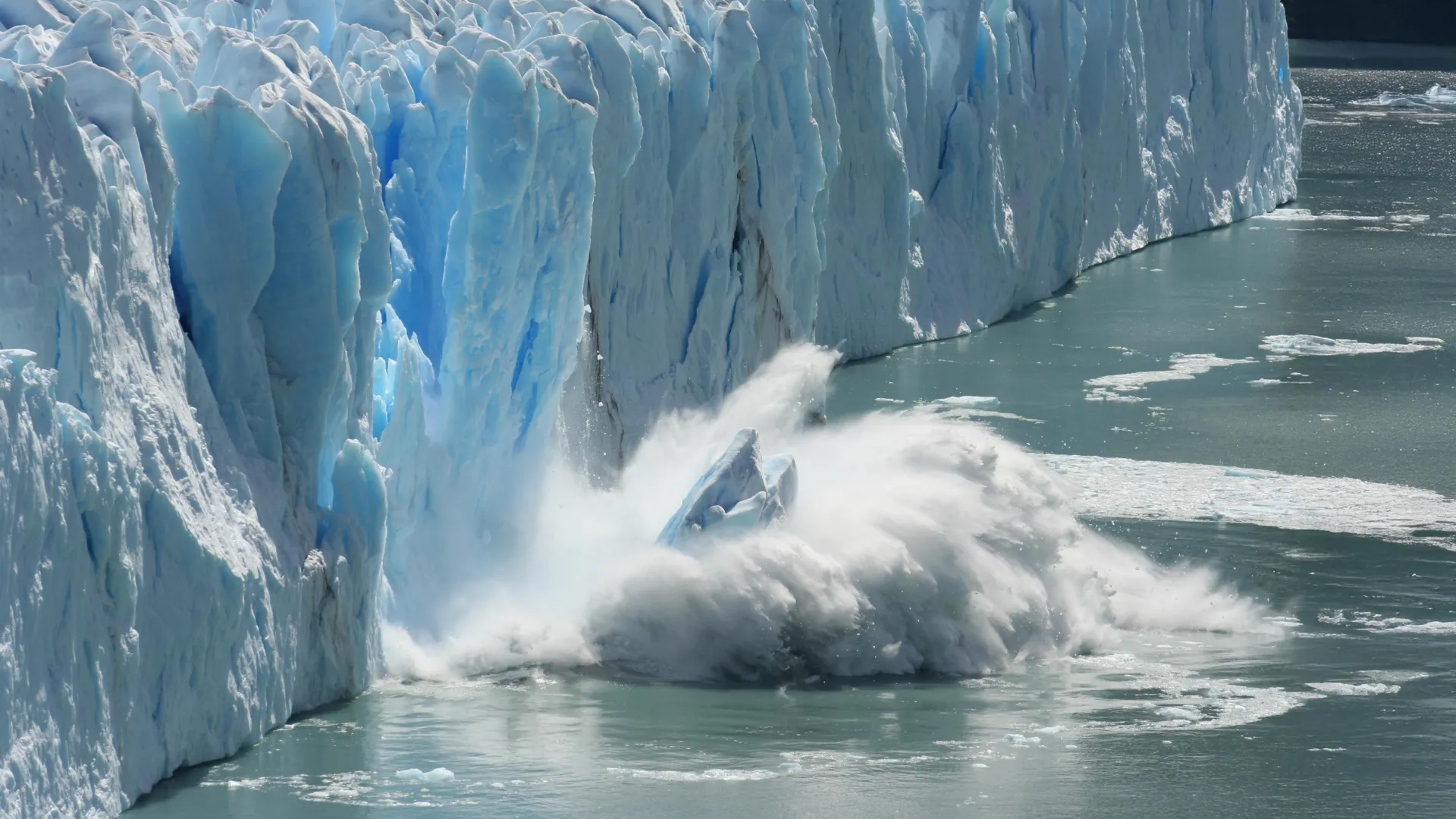
The discovery that Antarctic ice cliffs can self-stabilize is not a reason to relax, but a reason to refine our models. We now have empirical evidence that the tallest cliffs, long considered a primary threat for runaway collapse, often find natural defenses in underwater ridges, surrounding water, and broken ice. This finding, based on tracking more than 15,000 ice cliffs, directly challenges the most alarming projections of sea-level rise. For researchers and policymakers alike, this means the risk calculus has changed, but the urgency has not.
This study underscores why validated, longitudinal data is the only foundation for sound climate strategy. Too often, worst-case scenarios dominate public discourse, creating a cycle of alarm and fatigue. Here, the science delivers a measured correction: the ice is not as brittle as we feared, but it is still responding to a warming ocean. Our own reporting on Validating high-resolution Southern Ocean ice shelf melt against satellite data shows how critical it is to calibrate melt rates against real-world observations. Similarly, the principle of letting data speak applies across disciplines; a separate study on Validated data confirms 97% of transgender youth affirm hormone therapy choice demonstrates that large-scale, peer-reviewed findings can overturn assumptions and guide better policy. In both cases, the takeaway is the same: trust the empirical record, not the headline.
What does this mean in practical terms for ocean intelligence? It means our integrated data ecosystems must now account for these self-stabilizing mechanisms. Climate indicators that previously flagged only cliff height and retreat rate need to incorporate bathymetry, sea-ice concentration, and debris fields. The natural defenses are real, but they are not permanent, and they vary dramatically across the continent. The open question is whether these stabilizing factors will hold as ocean temperatures continue to rise and surrounding ice shelves thin.
The concrete point to watch is the next generation of ice-sheet models. If they can replicate the self-stabilizing behavior observed in this study, we will gain a more realistic picture of Antarctic contribution to sea-level rise this century. If they cannot, we are still guessing. The data are in; the calibration work has just begun.