collapse
collapse at World Data Ocean is a file of 5 stories. The newest of them: “Atlantic current shifts demand measured planning for future agriculture”, “AMOC's Atlantic shift carries measurable climate indicators for our shared ocean”, and “New Atlantic Current Data Signals Weakening and Imminent Tipping Point”. Headlines warning of a Gulf Stream collapse are common, but the real story is more measured. The Atlantic Meridional Overturning Circulation is not a distant abstraction, it is a measurable system whose shifts carry climate indicators we can now track in real time. A Global Hub for Ocean Intelligence 4 World Data Ocean is a centralized digital platform where researchers, scientists, and ocean enthusiasts converge to… The list below is every collapse story on World Data Ocean, newest first.
Atlantic current shifts demand measured planning for future agriculture
Headlines warning of a Gulf Stream collapse are common, but the real story is more measured. The Gulf Stream itself is wind-driven and stable; the threat lies in the AMOC, the larger Atlantic current system, which scientists agree will weaken with warming. A collapse remains uncertain, but its potential consequences, from Nordic winters to shifting monsoon belts, demand that we plan for future agriculture with empirical, calibrated foresight. For deeper coverage, see "India and Denmark calibrate maritime partnership toward validated green shipping targets."

AMOC's Atlantic shift carries measurable climate indicators for our shared ocean
The Atlantic Meridional Overturning Circulation is not a distant abstraction, it is a measurable system whose shifts carry climate indicators we can now track in real time. Understanding this circulation means understanding the pulse of our shared ocean. For deeper insight into how validated ocean intelligence is extending climate predictions, see our related coverage on data-driven global ocean modeling. The question is no longer whether we can observe these changes, but how we will respond.

New Atlantic Current Data Signals Weakening and Imminent Tipping Point
The Atlantic Meridional Overturning Circulation is weakening, and new data suggests its collapse could come far sooner than models predicted. Two recent studies signal an imminent tipping point with catastrophic consequences for global weather and climate. This is not speculation; it is a measurable, empirical shift in a system we rely on. Understanding drives protection. For deeper context on how we track such changes, see our coverage of five decades of data confirming a sustained warming trend in the Gulf of Mexico.
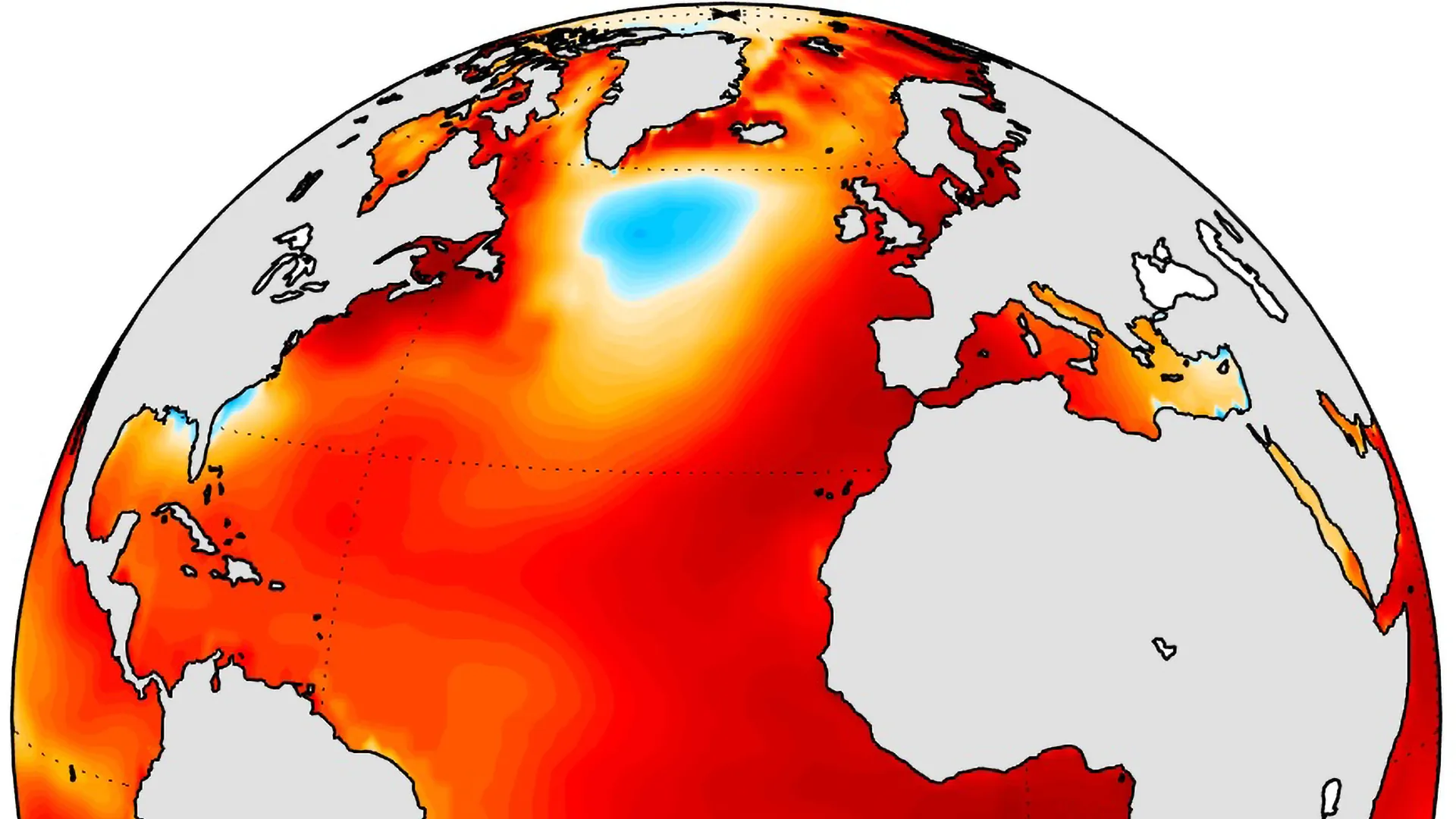
A Century of Ocean Intelligence Reveals a Measurable Current Slowdown
A century of ocean intelligence now delivers a measurable finding: the Atlantic Meridional Overturning Circulation is slowing. This is not a model projection. It is an empirical, validated signal drawn from decades of peer‑reviewed data. The current's weakening carries real implications for climate indicators and global heat distribution. Understanding drives protection. For a deeper look at how integrated data ecosystems track these changes, see our coverage of the ECCO‑Darwin model's first multi‑decadal global ocean CO₂ flux estimates.

Atlantic Current Weakening: Empirical Data Reveals Accelerated Change.
The Atlantic Meridional Overturning Circulation is losing its grip, and the empirical record is unambiguous. New studies confirm this vital current system is weakening faster than projected, edging closer to a threshold that would redraw global climate patterns. This is not speculation; it is calibrated, peer-reviewed observation. We treat the data with the gravity it demands, because the measured shift is a direct signal of our collective impact.