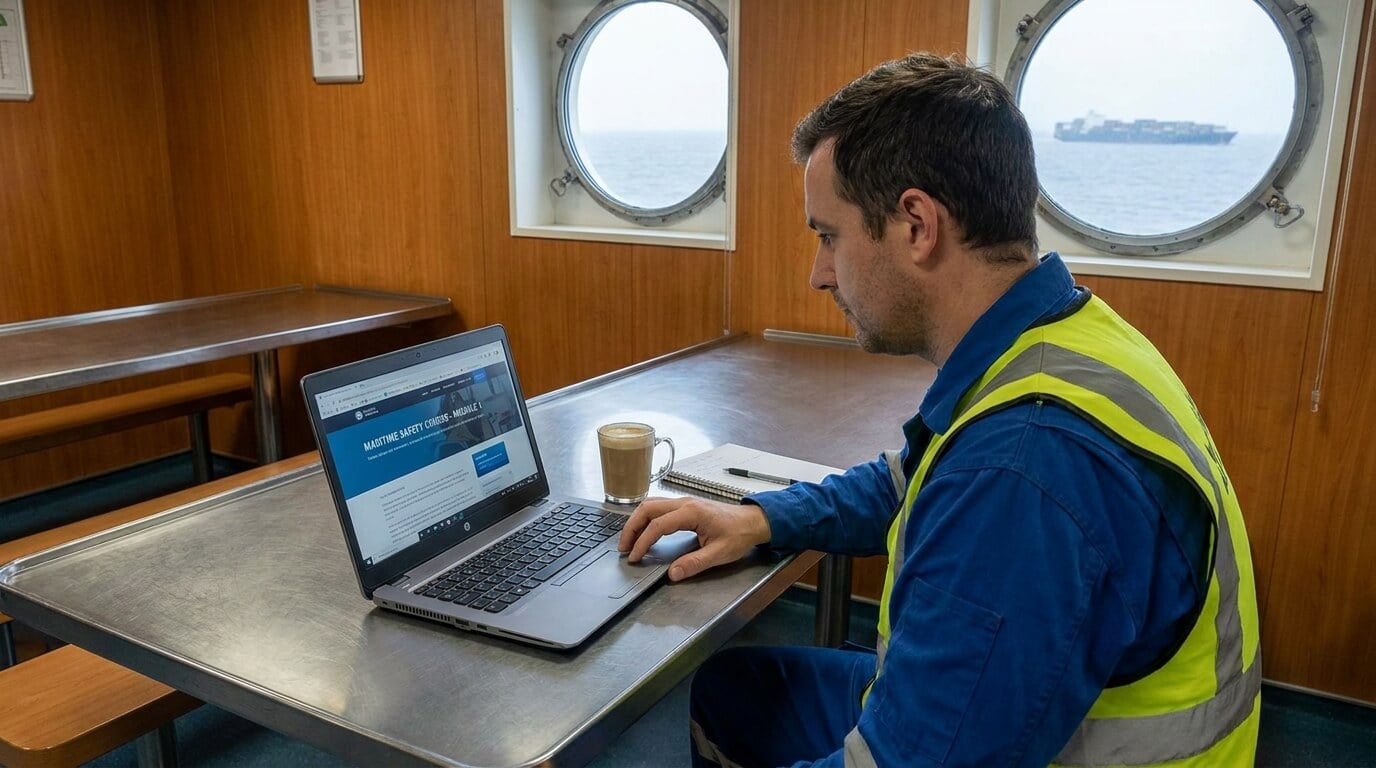
The establishment of the Maritime Just Transition Task Force signifies a pivotal moment for seafarers, as it introduces essential changes that will shape the future of maritime careers. In a rapidly evolving industry, particularly in light of global climate initiatives and technological advancements, understanding these changes is crucial for every seafarer. The task force aims to ensure that transitioning to a more sustainable maritime sector is equitable and just, considering the impact on training, safety, and the Standards of Training, Certification, and Watchkeeping for Seafarers (STCW). As we delve into the implications of this initiative, it is essential to contextualize it within the broader maritime landscape, where issues of ecological sustainability are increasingly intertwined with maritime operations.
The task force's recommendations are timely, especially as the maritime industry faces pressure to reduce greenhouse gas emissions and enhance safety protocols. As discussed in articles like Transcriptomic response of Acropora cervicornis following transplantation to a marginal, nearshore environment, the urgency of addressing environmental challenges is echoed in the maritime sector. This transition does not come without challenges; it necessitates a re-evaluation of existing training systems and safety standards to align with new environmental and operational demands. For instance, the integration of digital technologies into maritime operations, which is covered in the article How reliable is Electronic Bottom Tracking in deep or rough sea conditions?, will require seafarers to upskill and adapt to innovative solutions that enhance operational efficiency and safety.
Furthermore, the implications of the Maritime Just Transition Task Force extend beyond immediate operational changes. As the maritime industry grapples with the dual challenges of meeting international climate commitments and ensuring the welfare of its workforce, the task force’s approach emphasizes the importance of inclusive dialogue among stakeholders. This collaborative spirit is crucial in fostering a sense of shared responsibility among industry players, policymakers, and seafarers alike. The focus on equitable training and safety measures ensures that all seafarers, regardless of their background or level of experience, have the opportunity to thrive in a transitioning industry.
Looking ahead, the developments initiated by the Maritime Just Transition Task Force raise essential questions regarding the future of maritime workforce dynamics. Will the proposed changes lead to a more skilled, adaptable, and resilient workforce, or will they inadvertently create barriers for those unable to keep pace with rapid technological advancements? As the maritime sector progresses toward sustainability, it is imperative to monitor how these initiatives unfold and what support mechanisms will be put in place to ensure that no seafarer is left behind. The commitment to a just transition not only reflects an understanding of the environmental imperatives but also highlights the socio-economic dimensions of maritime work, setting a precedent for other industries facing similar challenges.
In conclusion, the Maritime Just Transition Task Force represents a significant step towards a sustainable future for the maritime sector, with far-reaching implications for seafarers' careers. As the industry navigates this transformative phase, the focus must remain on fostering collaboration, ensuring equitable access to training, and maintaining safety standards. The journey ahead will undoubtedly be complex, but it is one filled with opportunities for innovation and growth, ultimately contributing to a healthier ocean and a more resilient maritime community.