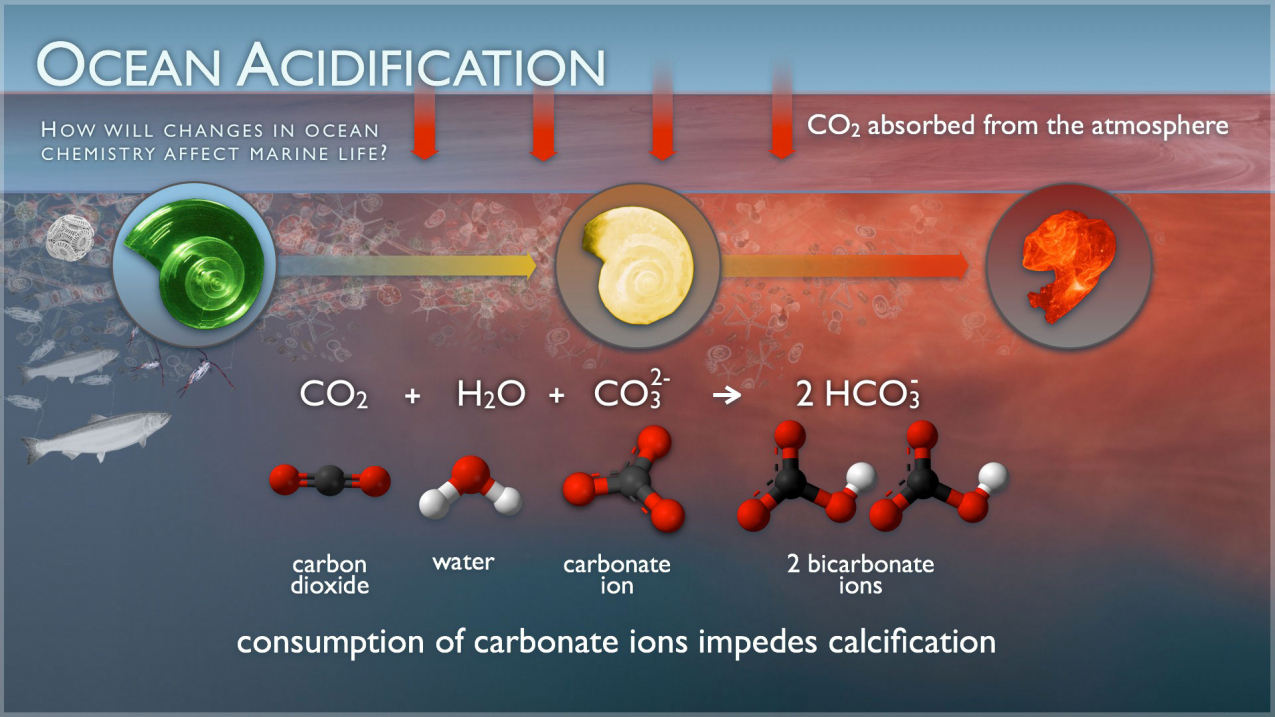
The ocean's chemistry is changing in measurable, trackable ways, and we now have the validated climate indicators to prove it. NOAA's latest work on ocean acidification gives us something the field has long needed: empirical, peer-reviewed baselines that can be integrated into global monitoring systems. This is not a call to panic; it is a call to calibrate our understanding with real-time data.
For researchers and policymakers, these indicators are a practical tool. They allow us to distinguish between local variability and global trends, and they give climate models a firmer foundation. We have previously reported on how Ocean Acidification: A Measurable Link to Earth’s Deep Past connects today's shifts to geological records, reinforcing that the current rate of change is historically unusual. That long-view context makes NOAA's validated measurements even more urgent. Without standardized indicators, comparisons across time and regions remain guesswork. Now we have a common reference point.
The practical consequences are already surfacing in coastal ecosystems. Our coverage of Ocean Acidification Weakens Mussel Attachment, Threatening Coastal Ecosystems showed how a single chemical shift can ripple through infrastructure and food webs. When mussels lose their grip, shorelines lose stability and fisheries lose resilience. These are not abstract future risks; they are measurable outcomes we can now track against the same validated indicators NOAA is advancing. The same data stream that confirms acidification is accelerating also tells us where intervention matters most.
What remains open is how quickly these indicators will be adopted into regulatory frameworks. The science is ready. The question is whether monitoring networks and funding cycles will catch up. We will be watching for the first integrated data ecosystems that combine NOAA's acidification metrics with the metabolic stress data from our report on Warming's Metabolic Stress Outweighs Acidification's Impact on Larval Survival. Ocean intelligence depends on linking these variables, not treating them in isolation. The next step is making that integration routine.