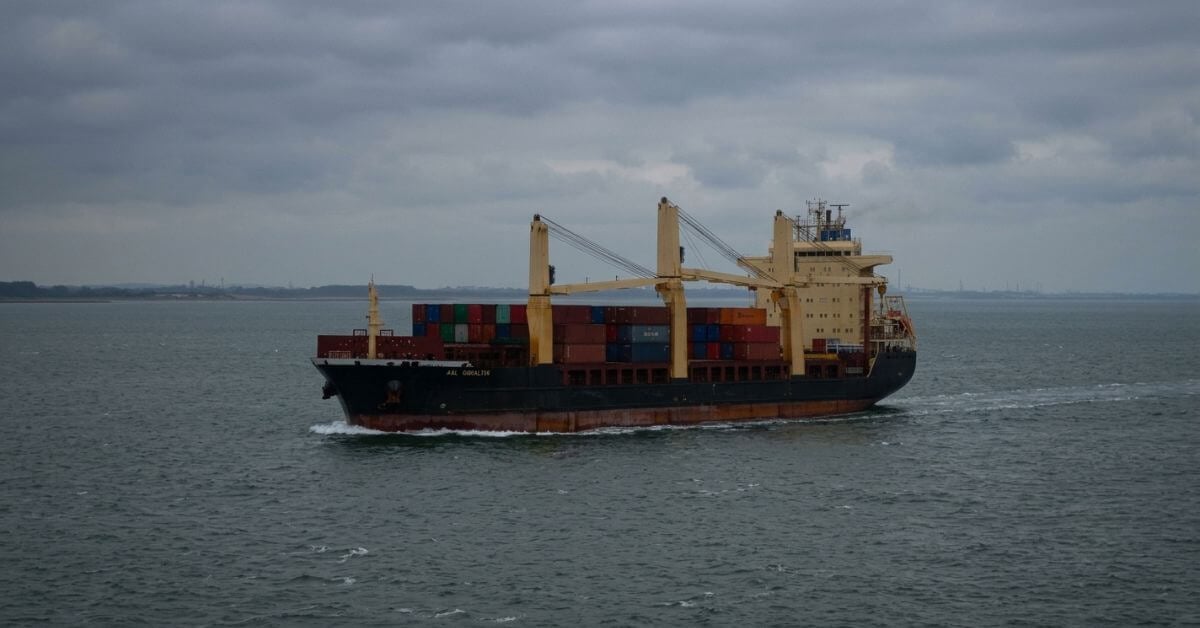
The safe berthing of the disabled MV AAL Gibraltar at Hambantota port is a textbook example of how maritime infrastructure can serve as a lifeline, not just a commercial gateway. This incident underscores the critical value of ports positioned to offer refuge, and it reinforces a point we have long held: that effective ocean stewardship includes having the operational capacity to manage emergencies before they become disasters. This was not a simple docking; it was a coordinated, multi-week effort involving salvage tugs, port tugs, surveyors, and multiple government authorities.
The vessel, a 160-meter cargo ship carrying 23,000 tons of cargo, was declared a dead ship after its engine room flooded, leaving it adrift offshore for weeks. The salvage tug SPM Arjun towed it to Sri Lanka, but the final approach was a masterclass in measured response. Four port tugs from Hambantota took over, moving the ship from anchorage to berth only after the Director General of Merchant Shipping issued a no-objection, and after the harbour master and marine environment authority gave their recommendations. This process reflects the kind of integrated decision-making that prevents a mechanical failure from escalating into an environmental crisis. Compare this to the recent Drifting Tanker With 11,000 Tonnes of Sunflower Oil Prompts Measured Response, where a similar loss of tow line created a drifting hazard. In both cases, the difference between a controlled outcome and a catastrophe was the availability of a nearby port willing and able to act.
Hambantota's location, roughly 10 nautical miles from the main East-West sea lane, is not a coincidence. It is a strategic asset that the port has actively cultivated by welcoming distressed vessels before, such as the Papayiannis III in 2023. The port also provided critical assistance during the 2020 fire on the tanker MT New Diamond, taking in 20 crew members. This track record builds a form of ocean intelligence that cannot be replicated by a simple AIS feed. The port's tugs did not just wait at the berth; they went to sea three separate times to support the MV AAL Gibraltar while it waited for clearance, delivering provisions, spare parts, and even standing by for 14 hours while the towing tug refuelled. That is operational foresight in action. It stands in stark contrast to the Engine Failure in Bosphorus Halts Traffic as 6,000-Ton Tanker Drifts Toward Shore, where a breakdown in a constrained waterway immediately halted traffic and created a shoreline risk.
The practical takeaway for our readers is clear: a port's value cannot be measured solely by container throughput. Hambantota's willingness to accept a disabled vessel with no confirmed departure date shows a commitment to shared responsibility that goes beyond profit. The real test now is what happens next. Repairs will be arranged by the vessel's local agent, but the ship remains at a lay-up berth with no timeline for departure. The open question is whether the port's infrastructure and its agent can complete those repairs efficiently, or whether the vessel will become a long-term fixture. For the shipping industry watching this case, the lesson is that a port's emergency response capability is a direct climate indicator of regional maritime resilience.