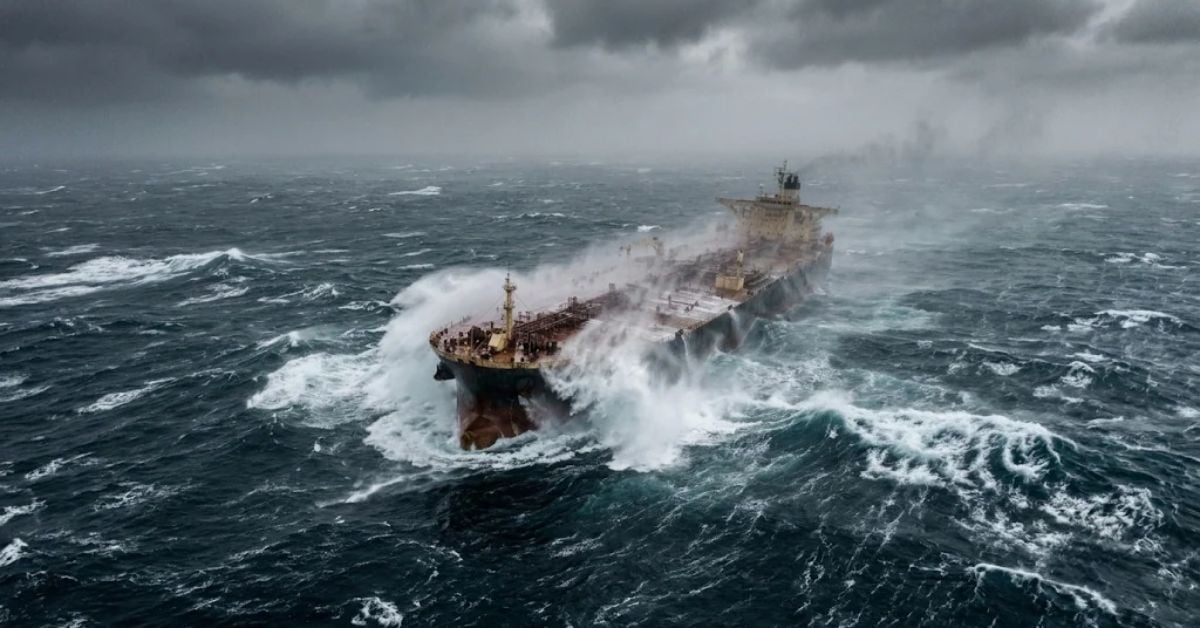
A drifting tanker carrying 11,000 tonnes of sunflower oil off the coast of Bulgaria is not just a maritime incident, it is a measurable indicator of how conflict amplifies environmental risk. The vessel broke free from its tow line in worsening weather, and while rescue efforts by Romanian and Bulgarian authorities have secured the crew, the ship remains adrift in the Shabla region. This is a situation that demands empirical attention, not alarmist headlines. It also connects directly to a pattern we have documented in related incidents, such as the Drone strike sinks Black Sea container ship, 14 Filipino crew rescued at sea and the Rescue of all 10 crew confirmed after cargo ship sinks off Cyprus. Each event underscores a growing challenge in a region where war and weather converge.
Our take is clear: this drifting tanker is a case study in the fragility of maritime logistics under geopolitical strain. The vessel was previously attacked off Odessa while en route to Turkiye, and its current predicament follows directly from the ongoing conflict between Russia and Ukraine. Bulgarian Prime Minister Rumen Radev has publicly stated that the only way to prevent increased ship attacks off the country's coast is to end the war through a permanent ceasefire. That is a valid political observation, but it does not address the immediate, practical question: what happens if the tanker runs aground or suffers a hull breach? Eleven thousand tonnes of sunflower oil in the Black Sea would create a spill that is both ecologically damaging and difficult to contain, especially given the region's already stressed marine environment. The response so far has been measured, authorities contacted the owner, tugs were dispatched, and crew were rescued under difficult conditions, but measured does not mean sufficient. The tanker is still drifting, and the window for safe intervention is narrowing with every forecast of heavy rain and rough seas.
For our readers, researchers, policymakers, and ocean professionals, this incident reinforces the need for integrated, real-time monitoring of maritime hazards. The Black Sea is a corridor for grain, oil, and fertilizer, and its shipping lanes are now also zones of active risk. We have previously examined the A Stranded Specimen on a Brittany Beach Calls for Empirical Analysis, which highlighted the value of systematic observation when a vessel or cargo is compromised. The same principle applies here: without calibrated data on currents, wind, and vessel stability, the response becomes reactive rather than strategic. The fact that four crew members refused evacuation suggests either a strong sense of duty or a failure of communication, either way, it is a detail that merits further investigation.
The concrete point to watch is whether the tanker's drifting trajectory brings it into Bulgarian territorial waters or toward a sensitive coastal area. If it grounds, the clean-up will fall to a nation already managing the spillover effects of war. That is not speculation; it is a scenario that authorities have acknowledged, and one we should track with the same rigor we apply to climate indicators. The outcome of this operation will serve as a reference point for future incidents in contested waters. We will be watching the data.