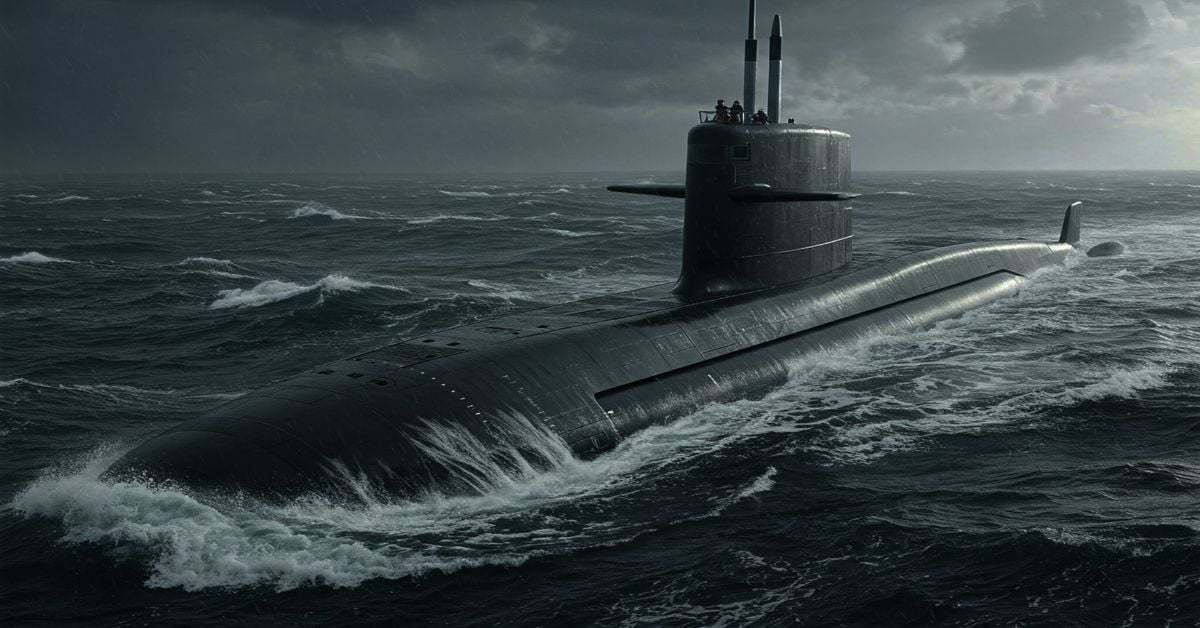
The keel laid for the second U212NFS submarine at Fincantieri's Muggiano Shipyard represents more than a program milestone; it signals a calibrated advance in how we gather and protect ocean intelligence. This is not merely a naval procurement story, it is a concrete example of how integrated, resilient platforms are being built to operate in an increasingly contested and data-rich marine environment.
For our readers, researchers, policymakers, and ocean professionals, the practical implications of this project are clear. The U212NFS class, with its lithium-ion batteries and new combat management system, is designed for extended endurance and stealth. That means longer, quieter missions in waters where the line between military security and climate monitoring is blurring. The vessel's enhanced resilience to physical and cyber attacks also matters for any institution relying on at-sea data collection: the same hardening protects sensors, communication relays, and the integrity of oceanographic measurements. As we reported on Integrating Data Infrastructure with Ocean Ecosystems: A Calibrated Approach, effective ocean stewardship requires infrastructure that can withstand operational stress and keep its data streams validated. The U212NFS is a direct parallel, a hardened node for maritime observation, albeit with national defense as its primary role.
The shift in delivery schedule, contract amendments that now build one submarine per year from 2029 to 2032, also reflects a broader reality. These vessels are not off-the-shelf purchases; they are integrated ecosystems of new tech, from propulsion to logistics support. This pacing allows for iterative refinement, a lesson that applies equally to civilian ocean observation platforms. Fincantieri's move to strengthen autonomous system integration is particularly relevant. Autonomous underwater vehicles are already transforming how we collect data on climate indicators and ecosystem health, and embedding that capability into a manned platform multiplies its reach. The connection to zero-emission shipping is not accidental: as the validated milestone for zero-emission shipping: hydrogen tanker completes sea trials showed, defense and commercial marine sectors are on parallel tracks toward quieter, cleaner, more durable vessels.
Our take is straightforward: the U212NFS program demonstrates that ocean intelligence, military or civilian, depends on deliberate design maturity and system integration. A submarine that can loiter undetected for longer is also a submarine that can monitor a coral reef, track a current, or measure salinity with fewer gaps. The key detail to watch is the performance of the lithium-ion battery system and its impact on endurance, and whether the autonomous integration framework developed here becomes a template for non-military ocean surveillance platforms. If it does, the return on this investment will extend far beyond naval patrols.