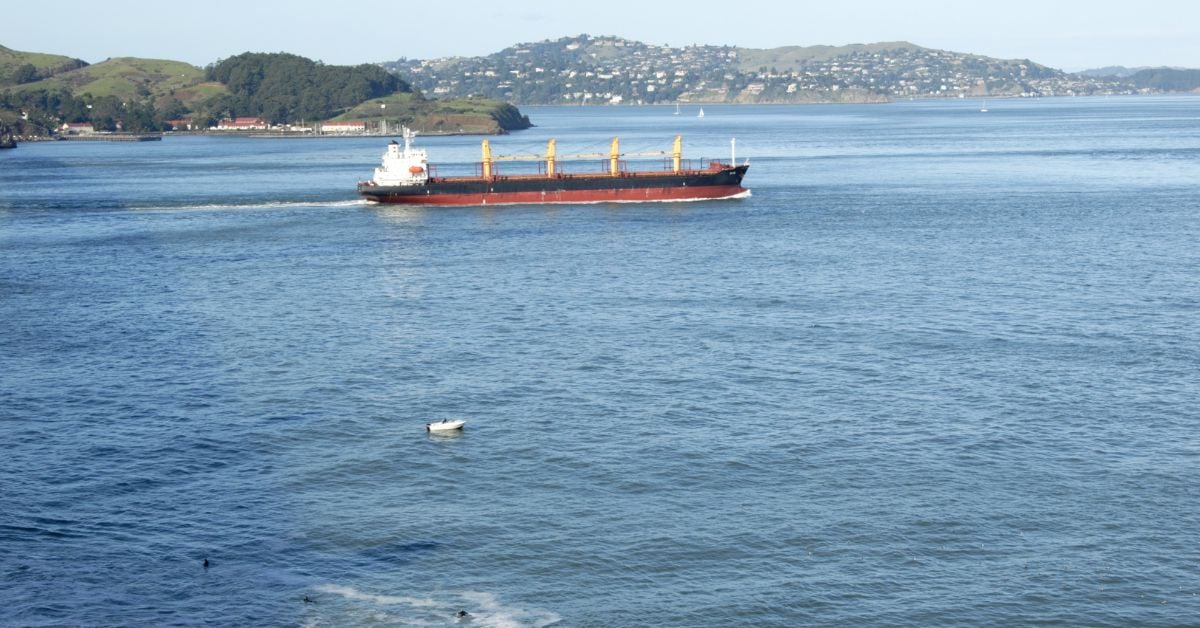
The Kikou Maru's successful sea trials mark a validated step toward zero-emission shipping, and we should treat this as a calibrated benchmark, not a finished solution. This 4,800 DWT coastal tanker, powered by a four-stroke hydrogen engine with electric propulsion and lithium-ion batteries, cut CO₂ emissions by 1.2 tons during a two-hour sail in Osaka Bay. That measurable reduction is precisely the kind of empirical data the maritime sector needs, especially when compared to the broader challenge of understanding how shifting shipping routes and geopolitical shocks reshape regional emissions patterns, as explored in our coverage of Geopolitical shocks reshape shipping routes with measurable regional divergence. The trial's real value lies not in the single voyage, but in the longitudinal data it generates for scaling hydrogen propulsion.
What this means for researchers and policymakers is practical: the project, initiated in 2022, has now produced a working prototype on a vessel launched in 2025, with a fuel supply system and hull design undergoing ClassNK approval. The engine, designed by Yanmar Power Solutions, uses diesel oil or hydrogenated vegetable oil to ignite a hydrogen-air premix, generating electricity rather than directly driving shafts. This integrated data ecosystem of engine performance, fuel consumption, and emissions will serve as a reference for larger ocean-going vessels. For those tracking ocean health metrics, the link between decarbonizing coastal fleets and monitoring marine ecosystem responses is direct, our reporting on Monitoring Mediterranean pH Variability Reveals Algal Reef Resilience shows how reducing local emissions can have measurable effects on acidification patterns. The Kikou Maru's trial provides the kind of validated, peer-reviewed baseline that connects industrial action to environmental outcomes.
The broader implication for Japan's domestic shipping sector, which aims for carbon neutrality by 2050, is that hydrogen propulsion is no longer theoretical. But the technology's applicability to larger vessels and international routes remains an open question. The project's next phase, developing a prototype engine for much larger ships, will require the same rigorous, stepwise approach: fuel cell testing on offshore wind farm vessels, then hydrogen tug engines, and now a coastal tanker. These are not isolated achievements; they are sequential calibrations of a system that must integrate with existing port infrastructure, fuel supply chains, and safety protocols. The fact that the trial also produced a usage manual and training protocols for hydrogen-fuelled ships is as important as the engine itself, operational knowledge is often the bottleneck in technology adoption.
One specific detail to watch is the fuel supply system's performance data from this trial, which will determine how quickly ClassNK grants approval for commercial operations. Without that validated infrastructure, even the most efficient engine remains a laboratory experiment. The Kikou Maru has given the industry a real-world data point; the next question is whether hydrogen can move from coastal tankers to the deep-sea fleet before 2050 deadlines force less elegant solutions.