Italian Shipyard Launches 86,000-Ton Luxury Cruise Ship Ahead Of 2027 Delivery
Our take
The recent launch of Oceania Sonata, a substantial 86,000-ton luxury cruise ship by Fincantieri and Oceania Cruises, represents a noteworthy development within the maritime sector, particularly when viewed alongside broader trends. The continued investment in large-scale cruise ship construction signals a resilient demand within the leisure travel market, even amidst ongoing geopolitical instability and economic fluctuations. Consider, for instance, India Plans 100 More Merchant Ships Over Next 5 Years To Cut Reliance On Foreign Shipping Lines – the increased focus on domestic maritime capacity globally suggests a shift in logistical strategies and a desire for greater self-sufficiency, a dynamic that indirectly impacts the cruise industry’s supply chains and operational considerations. Further context is provided by the concerning events detailed in Turkish Seafarer Dies After Drone Hits Ship That Rescued Him From Earlier Black Sea Attack, which highlights the escalating security risks present in certain maritime regions, prompting a need for heightened vigilance and robust safety protocols across all vessel types.
The sheer scale of Oceania Sonata – and the continued construction of similar vessels – underscores the sustained appetite for premium cruise experiences, a segment of the travel market demonstrating considerable resilience. While the cruise industry has faced scrutiny regarding its environmental impact, technological advancements and evolving operational practices are increasingly aimed at mitigating these concerns. The integration of more efficient propulsion systems, waste management technologies, and optimized routing strategies are becoming standard, though their measurable impact remains a subject of ongoing empirical study. It's worth noting the complex interplay of factors influencing ship design and construction, including fluctuating fuel costs, evolving regulatory requirements, and the imperative to meet increasingly stringent environmental standards. The launch of Oceania Sonata, therefore, represents not just a new vessel, but a snapshot of the current state of the industry, balancing luxury and leisure with the growing need for sustainability and operational efficiency.
The maritime landscape is becoming increasingly complex, with security concerns, geopolitical tensions, and economic pressures all contributing to a dynamic environment. The events surrounding the U.S. strike on a suspected drug-smuggling boat, as detailed in Video: US Kills 4 In Strike On Suspected Drug-Smuggling Boat In Caribbean, Death Toll Hits 227, serve as a stark reminder of the potential for conflict and disruption within international waters, impacting everything from trade routes to maritime security. Cruise ships, while primarily focused on passenger experience, are not immune to these broader concerns, necessitating enhanced security measures and careful route planning to minimize risk. The data generated by vessels like Oceania Sonata, when integrated into a comprehensive ocean intelligence system, can contribute to a more nuanced understanding of maritime activity and potential threats.
Looking ahead, the long-term impact of these trends warrants careful observation. How will the cruise industry adapt to increasingly stringent environmental regulations and evolving consumer expectations regarding sustainability? Will the rise of autonomous shipping technologies fundamentally alter the design and operation of cruise ships, or will the emphasis remain on providing a premium, human-centric experience? Furthermore, the interplay between geopolitical instability and maritime security will continue to shape operational strategies and necessitate robust risk mitigation measures. The validated data streams from vessels such as Oceania Sonata, combined with sophisticated analytical tools, will be crucial for informed decision-making and ensuring the long-term viability and safety of this significant sector of the global economy.
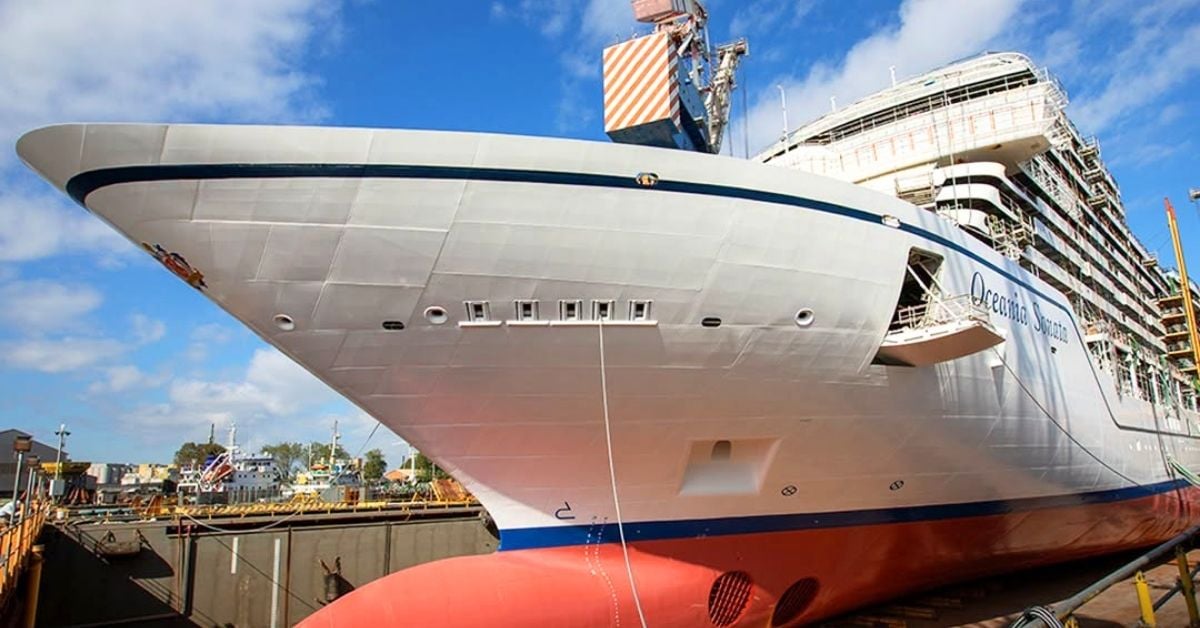
Fincantieri and Oceania Cruises, a brand of Norwegian Cruise Line Holdings Ltd., celebrated the launch of Oceania Sonata , the new luxury cruise ship currently under construction at the Marghera shipyard. The vessel is scheduled for delivery in 2027.
The ceremony was attended by Paolo Novarino, Oceania Cruises Senior Director, Project Owner and Marco Lunardi, Senior Vice President of Marghera shipyard.
With a gross tonnage of approximately 86,000 tons, Oceania Sonata will accommodate 1,390 guests and will feature spacious public areas, high standards of comfort, and a design conceived to deliver an exclusive travel experience.
Oceania Sonata is the first ship of the line’s new Sonata class, the next-generation series building upon on the legacy of the Allura Class, renowned for its elegance, construction quality, and innovative solutions.
Oceania Vista® and Oceania Allura – were built by Fincantieri at the Sestri Ponente shipyard and delivered in 2023 and 2025 respectively.
The Sonata Class program also includes the construction of four additional sister ships: Oceania Arietta, scheduled to join the fleet in 2029, and three further vessels planned for delivery in 2032, 2035 and 2037.
The project further strengthens the longstanding partnership between Fincantieri and Norwegian Cruise Line Holdings Ltd.
The Marghera shipyard is one of Fincantieri’s strategic hubs for the construction of large cruise ships and one of the industry’s leading production centers worldwide.
With more than a century of industrial history, the shipyard has built 36 cruise ships since 1991 and today involves approximately 6,000 people on a daily basis, including Fincantieri employees and workers from partner companies.
Through investments in innovation, automation, and the digitalization of production processes, Marghera continues to play a key role in strengthening the Group’s leadership in the global cruise shipbuilding industry.
Read on the original site
Open the publisher's page for the full experience