fleet
World Data Ocean keeps fleet in one place: 13 stories so far. The section currently leads with “India Projects Expanded Naval Fleet to Navigate Evolving Maritime Landscape”, “Maersk Considers Bangladesh Shipbuilding Investment, Recycling Potential Explored”, and “Validated Carbon Capture Offers Significant Emissions Reduction for Shipping.”. The Indian Navy is planning for around 230 ships by 2040-2045, a clear signal of how seriously it views the region's shifting power dynamics. AP Moller-Maersk is weighing direct investment in Bangladesh's shipbuilding sector, a move that pairs commercial pragmatism with the country's growing recycling potential. A Global Hub for Ocean Intelligence 4 World Data Ocean is a centralized digital platform where researchers, scientists, and ocean enthusiasts converge to… The list below is every fleet story on World Data Ocean, newest first.
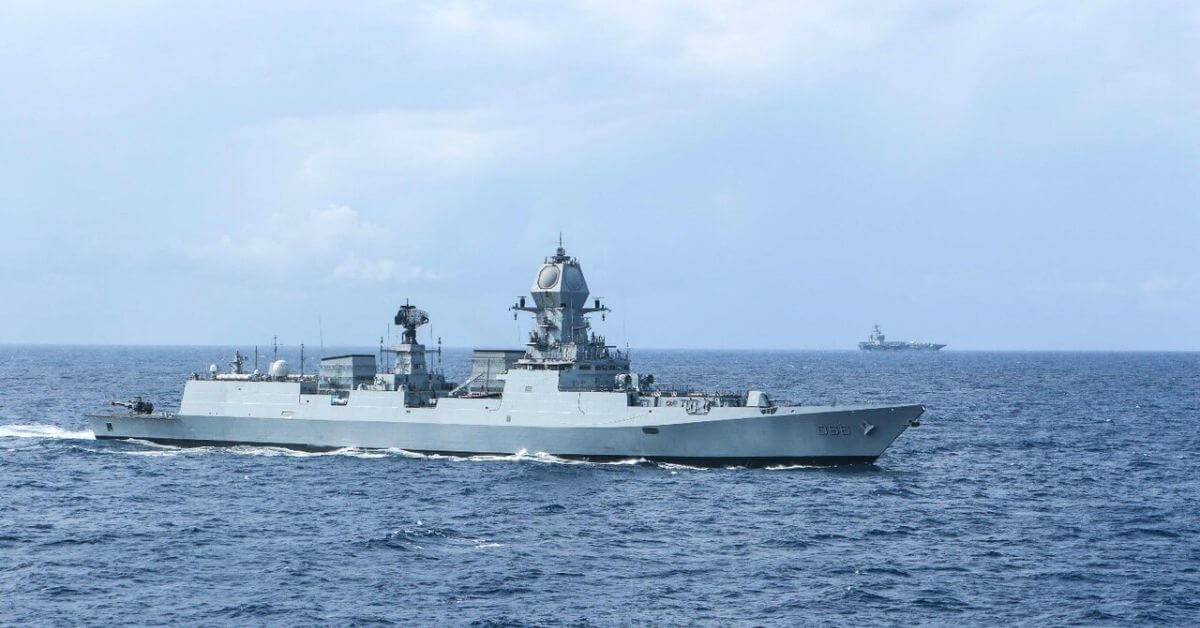
India Projects Expanded Naval Fleet to Navigate Evolving Maritime Landscape
The Indian Navy is planning for around 230 ships by 2040-2045, a clear signal of how seriously it views the region's shifting power dynamics. This is not about expansion for its own sake; it is calibrated preparation for a more contested maritime environment. Strategic foresight like this matters, especially as related coverage on domestic amphibious innovation highlights where that future capability is heading. Measured, deliberate, and backed by long-term thinking, this is the kind of planning that turns maritime ambition into real operational readiness.
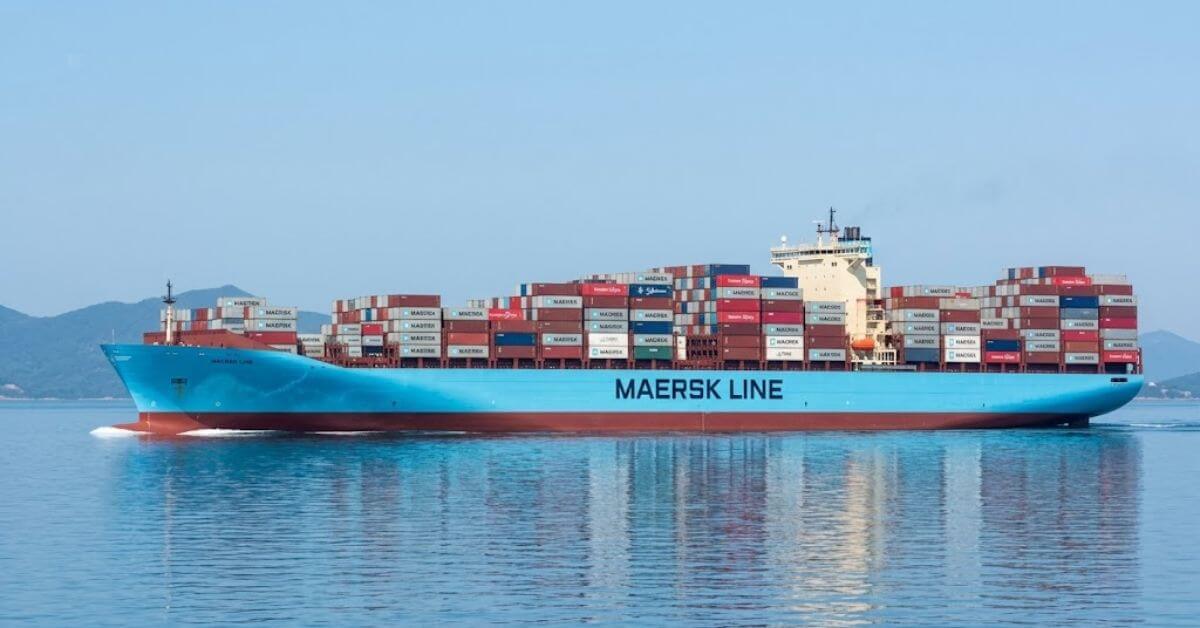
Maersk Considers Bangladesh Shipbuilding Investment, Recycling Potential Explored
AP Moller-Maersk is weighing direct investment in Bangladesh's shipbuilding sector, a move that pairs commercial pragmatism with the country's growing recycling potential. The logic is sound: established yards and expanding industrial capacity offer Maersk a foothold in a region where vessel construction and end-of-life dismantling increasingly overlap. This is not speculative ambition; it is calibrated expansion. For context on how similar partnerships are shaping regional capabilities, our piece on the collaborative shipbuilding initiative in India offers a useful counterpoint.
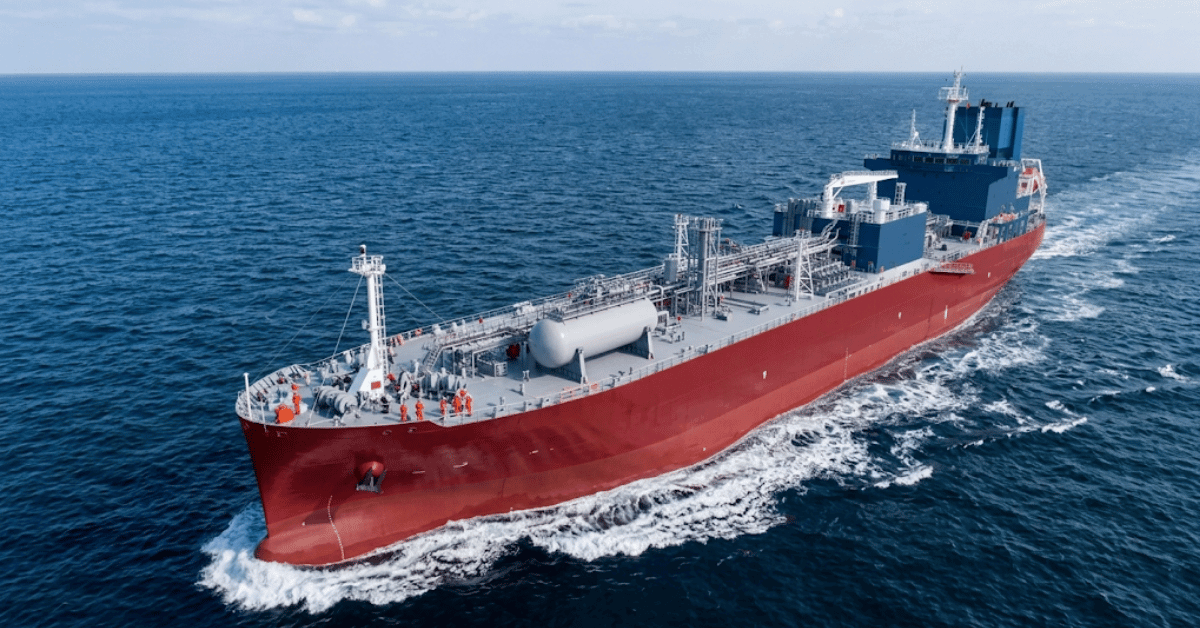
Validated Carbon Capture Offers Significant Emissions Reduction for Shipping.
Onboard carbon capture is no longer a distant concept. Lloyd's Register's latest analysis confirms that validated systems can deliver significant CO₂ emissions reductions for existing ships, offering a practical bridge while alternative fuel supply chains mature. That is a measured, credible step, not a silver bullet. The maritime sector needs every viable tool in the decarbonization toolkit, and this approach lets the current fleet act now.
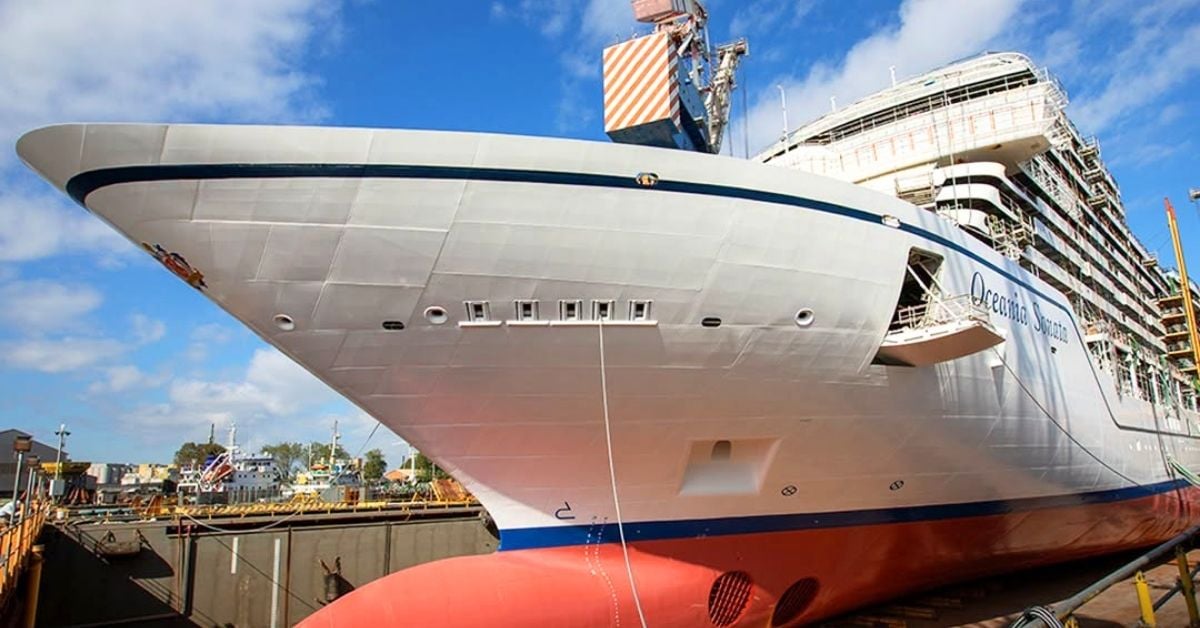
Oceania Sonata: A New Era of Luxury Cruising Takes Shape
Fincantieri and Oceania Cruises have marked a significant milestone with the launch of Oceania Sonata, a new luxury vessel now taking shape. The ship represents a measured step forward in maritime design, one that pairs refined comfort with the precision engineering the yard is known for. It is a reminder that thoughtful construction and environmental responsibility can move in tandem. For readers tracking broader maritime developments, our coverage of the recent bulk carrier grounding near Gladstone offers a contrasting look at the industry's operational challenges.

Shipbuilding Orders Surge, Signaling Accelerated Maritime Growth.
The global shipbuilding orderbook is climbing at a 27% year-on-year rate, the fastest pace since the 2008 financial crisis. That is a decisive signal, not a blip. It points to a maritime sector gearing up for sustained demand, likely tied to fleet renewal and shifting trade routes. We read this as a measured vote of confidence in ocean commerce's trajectory.

Fred. Olsen Cruise Lines Champions Seafarer Welfare with Pledge Commitment
Fred. Olsen Cruise Lines has become the first cruise line to sign the Seafarer Pledge, a commitment that puts crew welfare and career progression at the forefront of its operations. It is a measured step, and one that acknowledges the individuals who keep the industry moving deserve more than acknowledgment. This aligns with broader maritime momentum, such as Paradip Port's recent designation as a Mega Port, signaling a sector focused on long-term structural strength. Actions like these translate principle into practice.

Kennedy Carrier's Sea Trials Validate Integrated Systems Performance
Three days at sea. That was all it took for Kennedy Carrier to demonstrate that its integrated systems are ready for the demands ahead. Departing Newport News on Aug. 12 and returning Aug. 15, the vessel completed a rigorous series of evaluations targeting key operational components. The results are a practical measure of readiness, not a promise. For those tracking the Navy's broader push toward networked capabilities, this trial offers a concrete data point.

Seaspan Pioneers International Access to China’s Panda Bond Market.
Seaspan has become the first international ship owner and operator to tap into China's Panda Bond market, a move that signals growing confidence in cross-border maritime finance. The transaction is a significant milestone, but its real weight lies in what it says about global capital flows aligning with ocean industries. This is measured, practical progress, exactly the kind of step that builds long-term resilience.
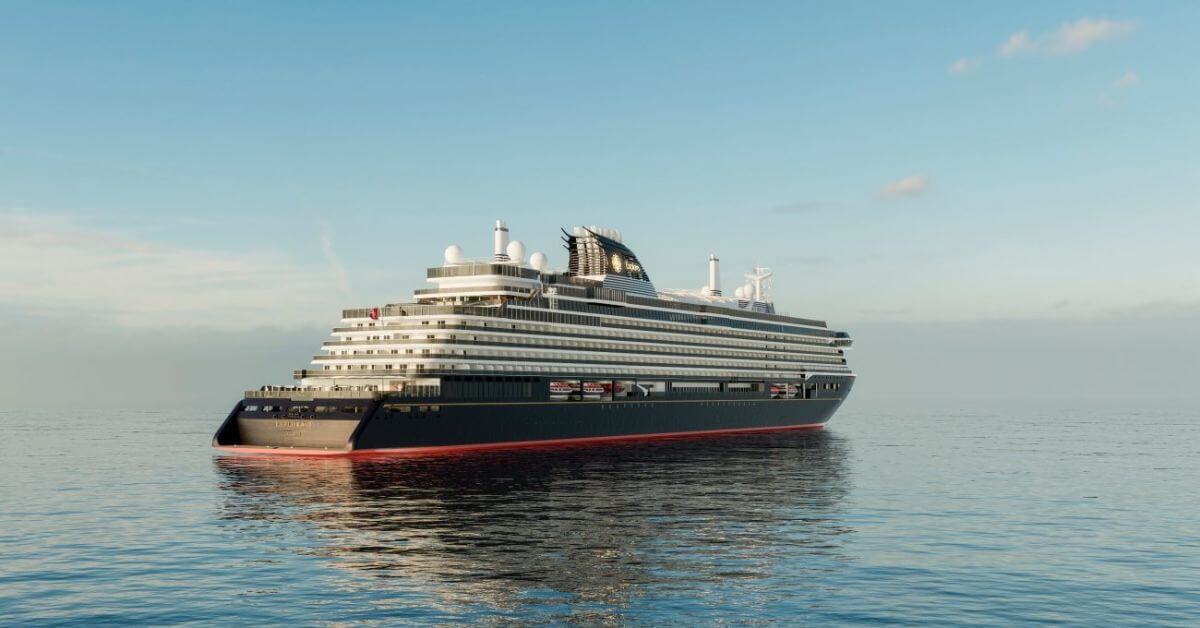
LNG-Powered Cruise Ship Joins Fleet, Advancing Sustainable Ocean Travel
On July 23, 2026, an LNG-powered cruise ship was delivered in Genoa, marking a measurable step forward for lower-emission ocean travel. After a Mediterranean prelude voyage, the vessel has now arrived in Barcelona, where its arrival signals practical progress rather than promise. This is the kind of integration we track closely: cleaner fuel, real operations, and a route that proves the model. For broader context on maritime security and fleet strategy, readers may also consider our coverage of Russian drone activity in the Mediterranean.

Arctic Icebreaker Fleet: Examining Costs, Scope, and USCG Needs
The U.S. Coast Guard's plan to build 11 polar icebreakers marks a significant expansion from its earlier stated requirement of just four or five vessels. This gap between ambition and operational need raises questions about scope, cost, and strategic priorities. While the larger fleet signals a serious commitment to Arctic presence, the justification must remain grounded in validated, measurable requirements. For broader context on global icebreaker investments, our related coverage of Russia's Northern Sea Route fleet offers a useful comparison.

Honoring Valor: New Destroyer USS William Charette Joins the Fleet
The USS William Charette, a new destroyer named for a Medal of Honor recipient, now joins the fleet, carrying a legacy of extraordinary courage into modern maritime operations. This is a vessel built not just for power, but for purpose. We see this as a fitting tribute to valor, and a clear signal of strength. For more on how the Navy is evolving its capabilities, our coverage of the Navy Accelerates Autonomous Systems Integration for Enhanced Maritime Operations offers deeper insight.

India Expands Naval Capabilities, Projecting Strength Across the Indian Ocean.
India is moving with measurable intent across the Indian Ocean. With 50 warships already under construction and the new submarine hunter INS Malvan joining the fleet, New Delhi is signaling a long-term commitment to maritime stability. A 200-ship target by 2035 is ambitious, yet grounded in a clear strategic calculus. This is not posturing; it is calibrated investment in ocean intelligence. For broader context on this trajectory, our related article on India's expanded naval fleet offers useful perspective.

Healy Icebreaker Returns to Seattle Following Engineering Casualty During Trials
The Healy's unplanned return to Seattle on July 13, towed by tugboats after an engineering casualty interrupted its trials, is a stark reminder that even the most capable vessels answer to the sea's unforgiving standards. The Coast Guard's concise statement leaves the damage unspoken, yet the disruption underscores a hard truth: reliability is the quiet backbone of polar operations. As Russia calibrates export revenue for its own icebreaker fleet, the contrast sharpens, our maritime ambitions must be matched by mechanical resilience.