construction
9 stories filed under construction on World Data Ocean. The newest of them: “China Submerges AI Data Center in Ocean Floor Deployment”, “Alaska’s Base Kodiak to Gain Enhanced Arctic Capabilities with New Pier”, and “Integrating Data Infrastructure with Ocean Ecosystems: A Calibrated Approach”. China submerges an AI data center on the ocean floor, a move that prioritizes speed and cooling efficiency over the land-based debates stalling U.S. The U.S. A Global Hub for Ocean Intelligence 4 World Data Ocean is a centralized digital platform where researchers, scientists, and ocean enthusiasts converge to… The list below is every construction story on World Data Ocean, newest first.
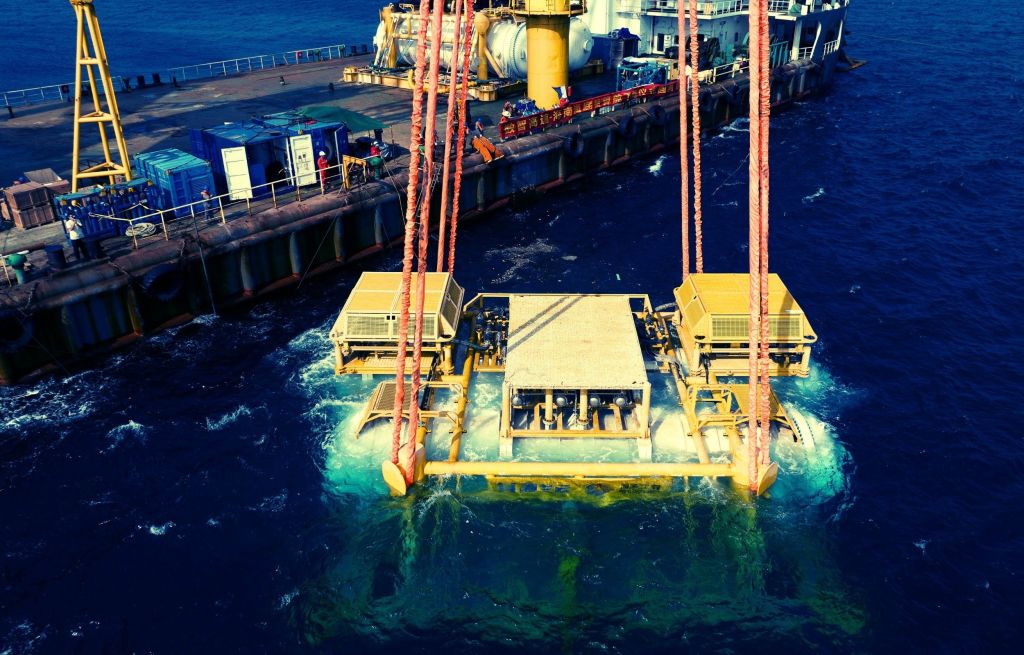
China Submerges AI Data Center in Ocean Floor Deployment
China submerges an AI data center on the ocean floor, a move that prioritizes speed and cooling efficiency over the land-based debates stalling U.S. projects. This deployment demands rigorous validation. How safe is a submerged digital infrastructure against pressure, corrosion, and real-time operational risks? The answer matters for the entire integrated data ecosystem. For deeper context on ocean system shifts, our coverage of a century of ocean intelligence revealing a measurable current slowdown provides essential reading.
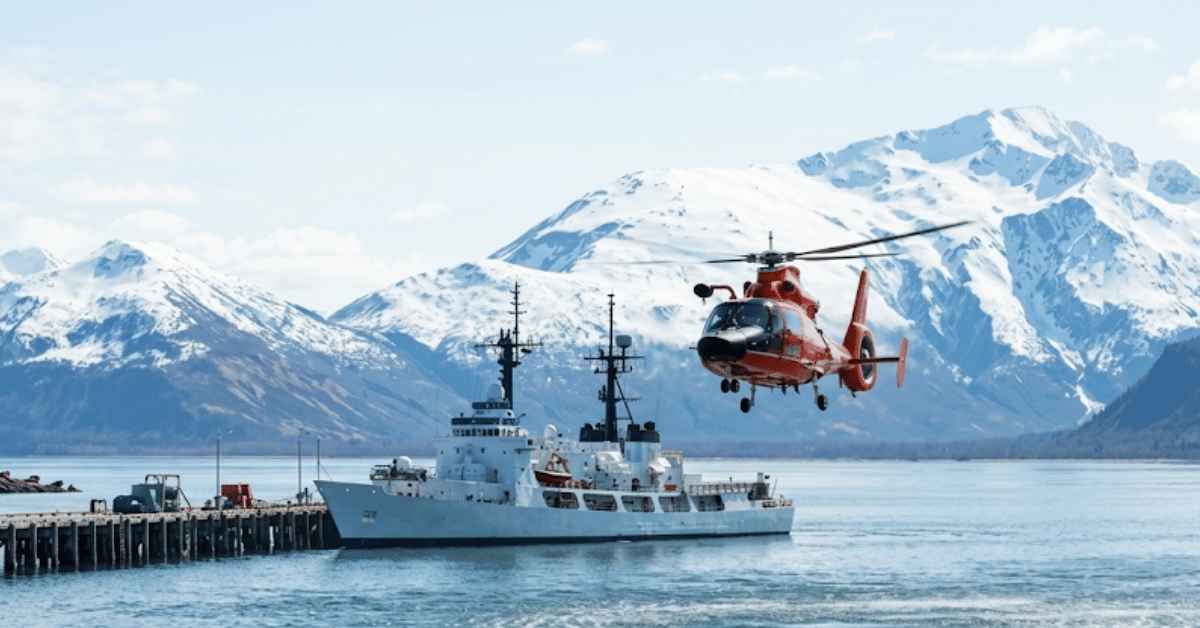
Alaska’s Base Kodiak to Gain Enhanced Arctic Capabilities with New Pier
The U.S. Coast Guard's $315 million contract for a new cutter mooring and fuel pier at Base Kodiak is a measured step toward strengthening Arctic readiness. This investment gives Alaska's hub the infrastructure to sustain operations where climate indicators demand attention. It is practical, forward-looking, and overdue. For broader context on polar infrastructure momentum, our coverage of Russia's Northern Sea Route icebreaker financing offers a useful contrast. This pier is about capacity, plain and simple, and that is how we measure progress.
Integrating Data Infrastructure with Ocean Ecosystems: A Calibrated Approach
The seafloor is not a passive highway for data; it is a living system that demands calibration. This submission recognizes that integrating infrastructure with ocean ecosystems requires more than laying cables, it requires measuring impact with empirical rigor. We support this approach because it treats the ocean as a partner, not a conduit. Related coverage, such as our piece on integrated subsea cables across the Indian Ocean, reinforces the stakes. Understanding drives protection, and this work gets that sequence right.
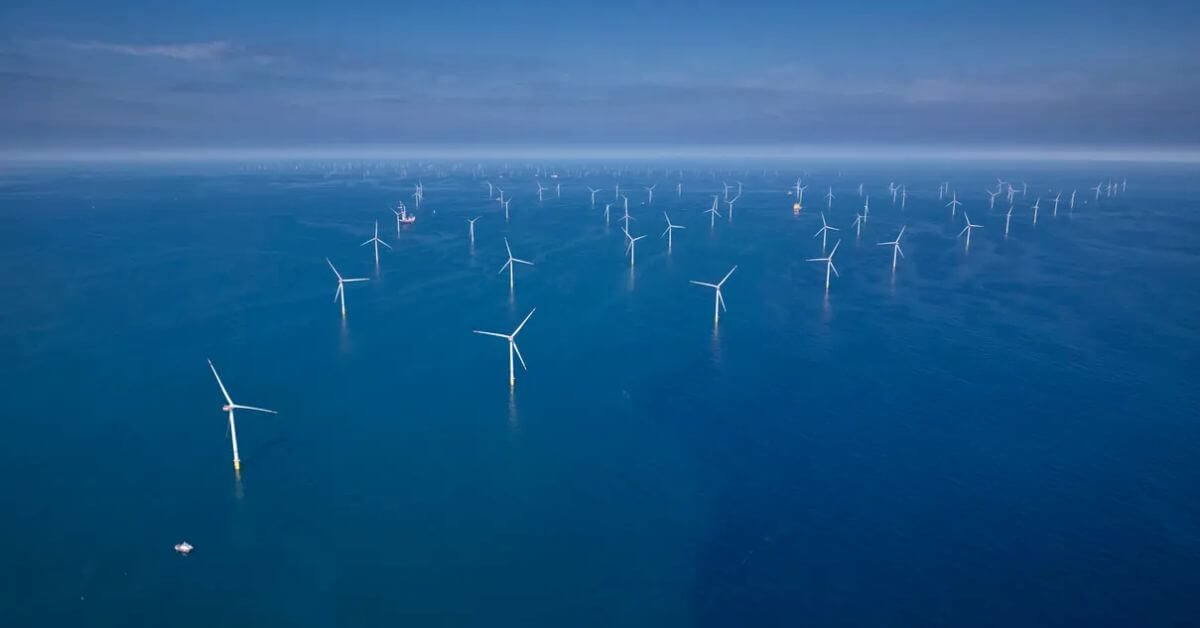
He Dreiht Wind Farm Powers German Grid, Boosting Renewable Capacity
The first turbines at the 960-megawatt He Dreiht offshore wind farm are now delivering electricity to the German grid, marking a substantial step in the country's renewable transition. This North Sea project demonstrates how measured, large-scale infrastructure can integrate clean power without theatrics. Germany's commitment to empirical progress is evident here. For broader context on how such energy shifts interact with marine policy, our related coverage, including the recent offshore lease reversal, offers a fuller picture. This is steady, data-driven advancement.
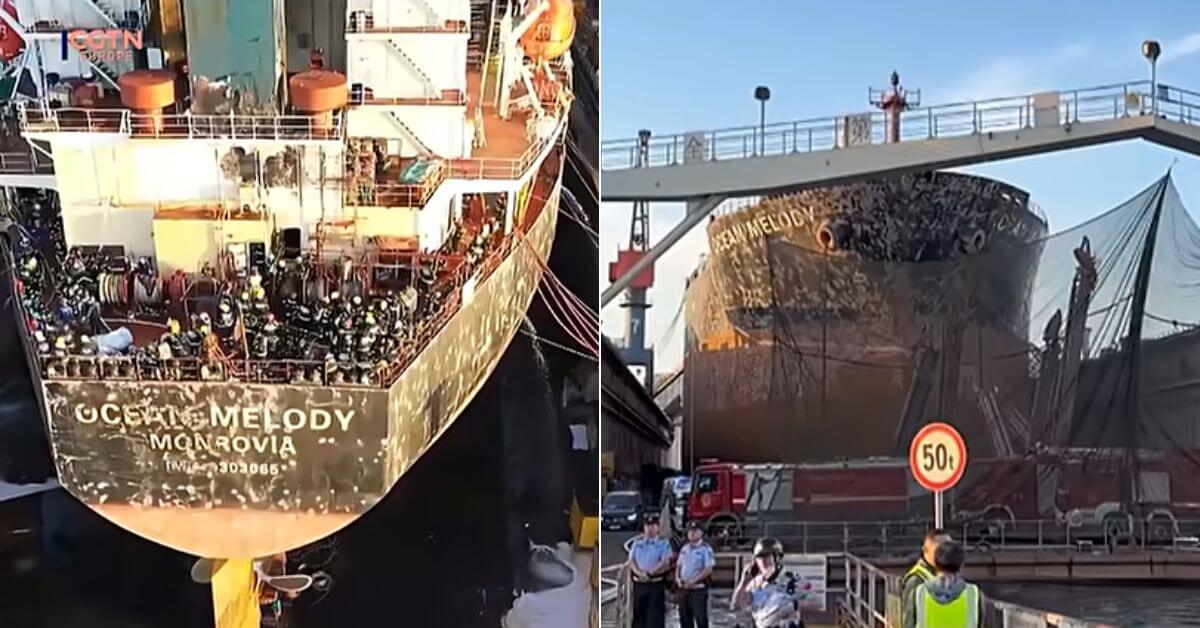
China Investigates Qingdao Shipyard Fire; Safety Protocols Under Review.
A fire at a Qingdao shipyard has triggered a formal investigation, led by the Ministry of Emergency Management with support from the Ministry of Industry and Information Technology. Safety protocols are now under review, a response that reflects the rigor such incidents demand. Fires at sea and in port remain a persistent threat, as our coverage of the Mykonos cargo ship fire reminds us. Measured scrutiny is the only credible path forward.
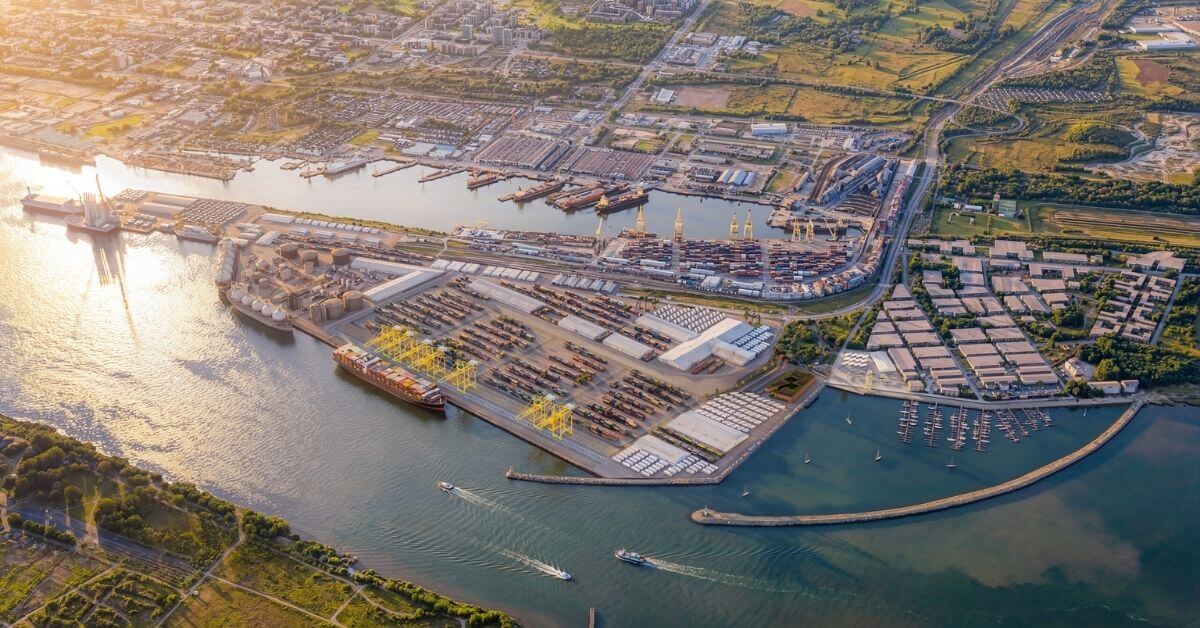
Port Expansion Balances Growth and Lagoon Ecosystem Protection
The Curonian Lagoon's ecosystem hangs in a delicate balance, and this port expansion acknowledges that reality head-on. By designing breakwaters to limit saltwater intrusion, the project treats economic growth and environmental protection as integrated goals, not competing interests. It is a measured approach, one that prioritizes long-term resilience over short-term gains. For readers tracking how maritime infrastructure adapts to ecological pressures, our coverage of Paradip Port Designated a Mega Port offers a parallel look at how expansion shapes regional strategy.
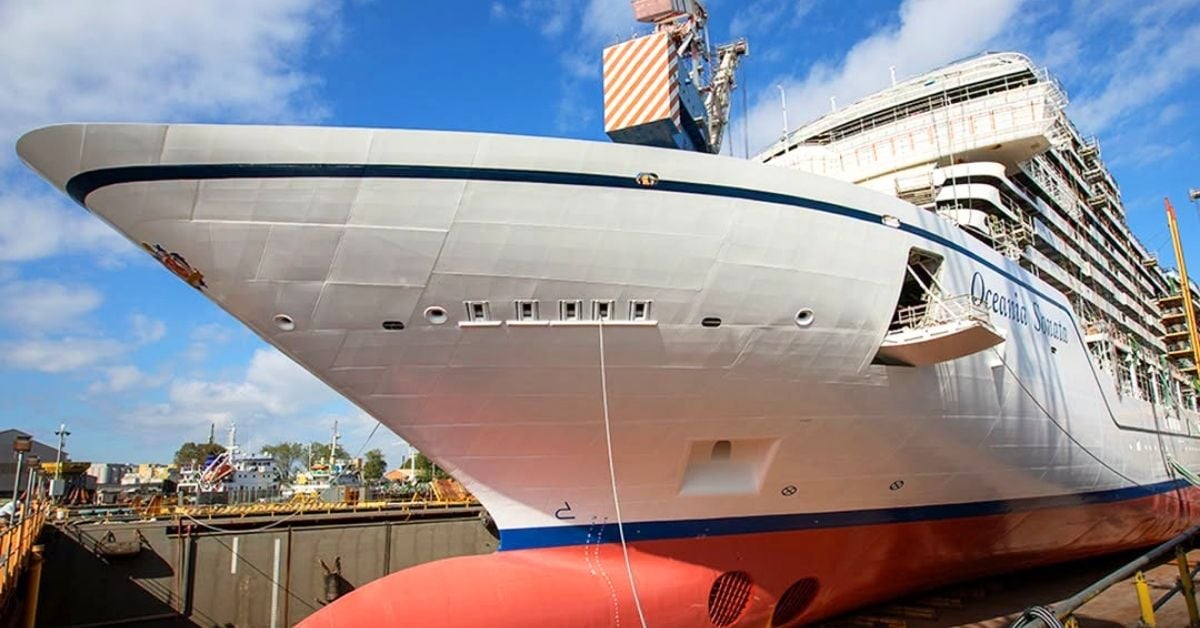
Oceania Sonata: A New Era of Luxury Cruising Takes Shape
Fincantieri and Oceania Cruises have marked a significant milestone with the launch of Oceania Sonata, a new luxury vessel now taking shape. The ship represents a measured step forward in maritime design, one that pairs refined comfort with the precision engineering the yard is known for. It is a reminder that thoughtful construction and environmental responsibility can move in tandem. For readers tracking broader maritime developments, our coverage of the recent bulk carrier grounding near Gladstone offers a contrasting look at the industry's operational challenges.

Australia Advances AUKUS Submarine Program with New Shipyard Construction
The Henderson shipyard's new construction phase marks a deliberate step in Australia's 20-year commitment to host nuclear-powered attack submarines. This is infrastructure built for the long haul, not a headline. The project's value lies in its patience and precision, turning a West Australian port into a credible maintenance hub. For readers tracking maritime logistics, our coverage of the bulk carrier freed near Gladstone reminds us that Australian waters demand both advanced capability and practical resilience. This program answers that demand with measured intent.

Integrated Data Fuels Global Wind Energy Advancement Through Collaborative Vessel Delivery
After two years in construction at the COSCO Shipping Offshore shipyard in Qidong, the Wind Ace is ready to move. Its delivery signals something practical: the global push for wind energy depends on vessels that can be built and deployed efficiently. The vessel's launch is a concrete step, not a spectacle. For context on how maritime infrastructure is shifting elsewhere, our coverage of the Gulf of Oman STS transfers shows similar pressure points. Integrated data, here, means the difference between a ship and a system.