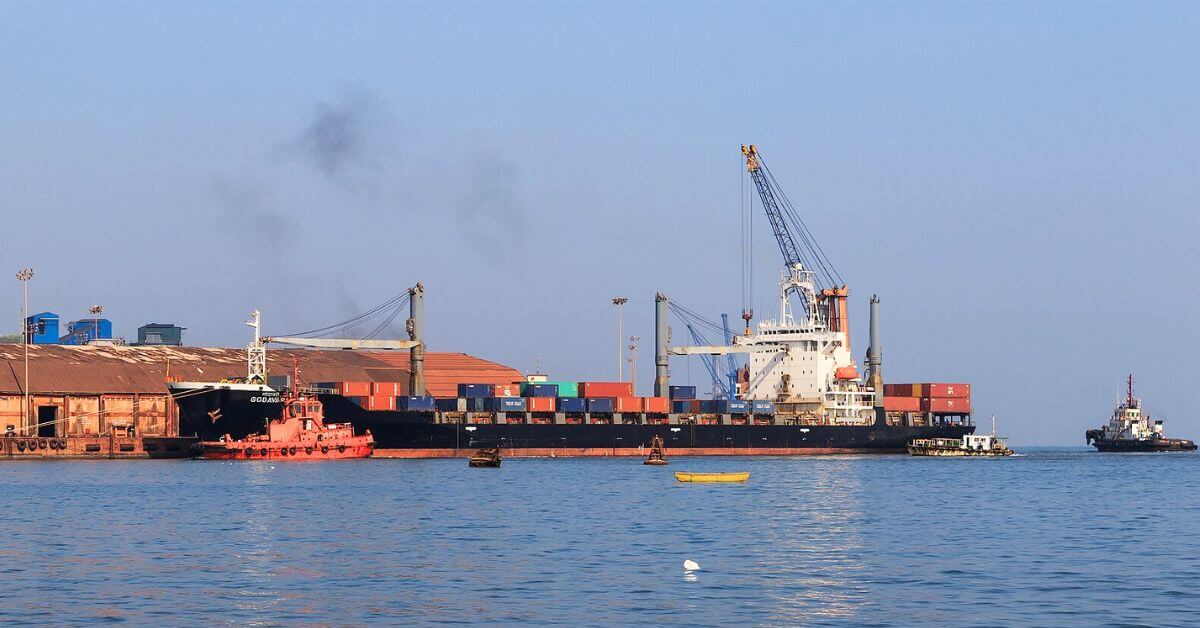
A ₹13 crore allocation for a Seafarers' Welfare Centre at Mormugao Port is a modest but meaningful signal. It tells us that India is beginning to treat its maritime workforce as something more than a logistical variable. This is not a transformative investment on its own, but it is a calibrated step toward closing a gap that has been ignored for too long. For a nation that increasingly positions itself as a maritime bridge, the welfare of the people who keep that bridge standing is not a secondary concern. It is the operational baseline.
The decision gains further context when placed beside recent infrastructure moves in the region. As Paradip Port Designated a Mega Port, Anchors Eastern India's Maritime Growth demonstrates, India is actively reshaping its port hierarchy to handle larger vessels and more complex supply chains. At the same time, Integrated Subsea Infrastructure Shifts to Enhance Indian Ocean Connectivity shows that the country is investing in the invisible networks that move data across the same waters. These are not separate efforts. They are layers of the same integrated ecosystem, and the seafarer sits at the intersection of them. A port without a well-supported crew is just concrete and cranes. The new centre is a recognition that human capital requires the same strategic attention as physical capital.
Our take is straightforward: this is a good start, not a finish line. A single welfare centre does not solve the systemic issues that seafarers face, from mental health support to fair treatment in foreign ports. But it does something important. It establishes a precedent that the state has a role in the quality of life of its maritime workers, not just their output. For our readers, particularly those in logistics or policy, the practical takeaway is that India is moving toward a more integrated data ecosystem of port and crew management. This is not about sentiment. It is about retention, safety, and the reliability of the entire chain. A healthy, stable crew is a measurable advantage in an industry where delays are expensive and errors are costlier.
The open question is whether this will be a standalone gesture or the first of a longitudinal investment. We would tell a reader to watch for the next few port budgets, not for grand announcements, but for whether welfare allocations become a recurring line item. If this centre is followed by similar facilities at other major ports, it signals a genuine shift in how India values its seafarers. If it remains isolated, it will be remembered as a well-intentioned but isolated act. The infrastructure is being built. The question is whether the human support will scale with it. That is the detail worth tracking.