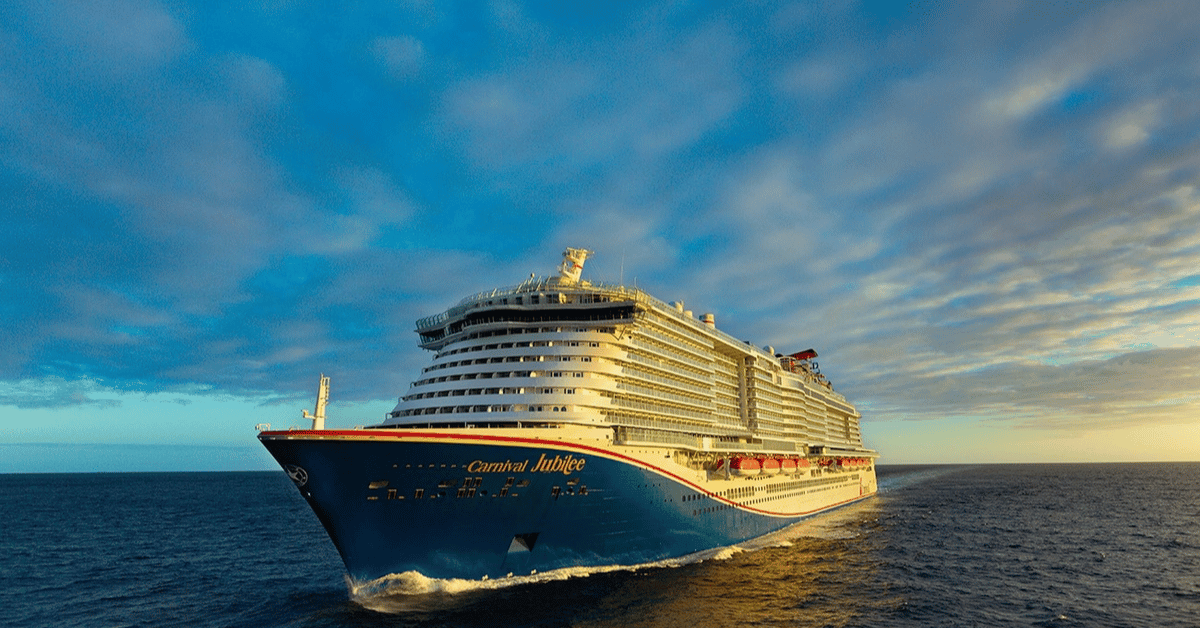
Carnival Jubilee's new four- and five-day Western Caribbean runs from Galveston, set for 2028-29, are not about novelty for its own sake. They are a calibrated response to a measurable shift in how a broad segment of travelers now books ocean time: shorter, more frequent, and regionally concentrated. This is not a retreat from longer voyages; it is an integration of flexible options into an already dense schedule. For the port of Galveston, the move signals confidence in its infrastructure and its position within a competitive Gulf market.
We see a practical tension worth naming. Shorter itineraries mean more efficient fuel use per passenger segment, but they also concentrate marine traffic in ecologically sensitive zones like the Western Caribbean. The industry has made measurable progress in scrubber adoption and shore-power connections, yet the cumulative load from frequent turnarounds demands the same rigor as open-ocean engineering. This is where the data ecosystem matters. Our colleagues at Real-Time Data from The Ocean Race Illuminates Gulf Stream Changes show how live oceanographic readings from racing vessels can sharpen climate models. Apply that same logic to port operations, and you get a clearer picture of how a four-day turnaround alters local water quality, air emissions, and marine traffic patterns. The data is available; the question is whether operators will treat it as operational input or regulatory afterthought.
There is also a human dimension. Short cruises serve as an entry point for first-time passengers, many of whom later book longer voyages. That is not speculation; it is a well-documented pattern across the industry. But every itinerary expansion carries a responsibility to the communities and ecosystems it touches. The Nagoya Deploys Cruise Ship to Accommodate Asian Games Athletes story reminds us that cruise assets are increasingly repurposed for event-based and emergency housing. That flexibility is useful, but it also blurs the line between hospitality and urban infrastructure. Meanwhile, Hydrogen Powers New Era for Ocean Cruising in Japan demonstrates that alternative fuels are moving from concept to commissioning. If Galveston's growth is to be sustainable, it should not just add berths and terminals; it should plan for bunkering capacity that supports lower-carbon fuels as they become commercially viable.
Our read is straightforward. Carnival's decision is a bet on demand that is already evidenced by booking trends, not a gamble on an unproven market. The practical takeaway for industry watchers and residents is this: watch how Galveston's port authority updates its environmental management plans in response to increased frequency. The specific number to track is the turnaround time between docking and departure. If that interval shrinks without a corresponding improvement in shore-power usage and waste-handling protocols, the cumulative impact will outweigh the efficiency gains. A shorter cruise is not a smaller footprint by default. It is a concentrated one, and it demands the same empirical attention we give to any other engineered system. The ocean will tell us if we get it right, but only if we are listening with the right instruments.