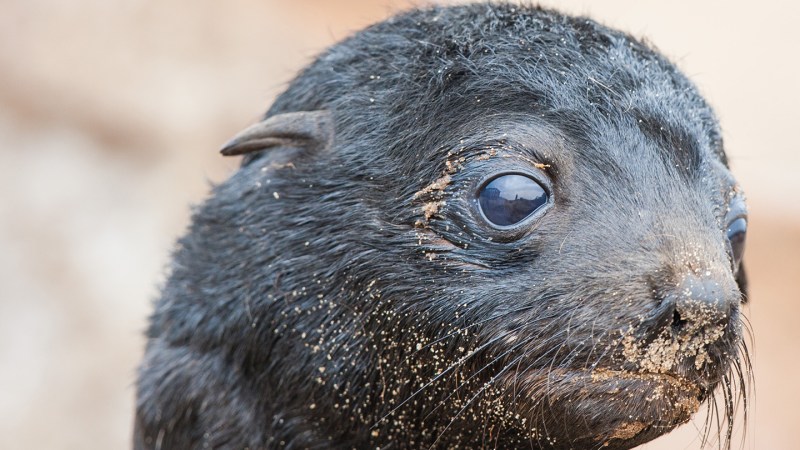
The ear is a quiet marvel of evolutionary engineering, and the recent scan of hundreds of marine mammal ears offers a compelling glimpse into how pinnipeds mastered the dual challenge of hearing in air and water. By mapping the anatomical shifts across species, researchers have effectively reconstructed a timeline that predates the fossil record's sparse clues. This is not just a story about seals; it is a story about how we measure adaptation itself. The study's strength lies in its empirical scope, scanning a broad array of specimens to deduce when this dual hearing emerged, and that methodological rigor is what makes the finding feel solid rather than speculative.
For our readers, this research does more than satisfy curiosity about a beloved marine group. It provides a calibrated benchmark for understanding sensory evolution under environmental pressure. When we consider the modern ocean, where noise pollution and shifting acoustic landscapes are pressing concerns, knowing the deep history of pinniped hearing becomes a practical tool. It helps us ask better questions about resilience: which species might adapt, which are locked into older auditory frameworks, and what that means for conservation priorities. The study also invites a connection to other evolutionary detective work, such as how Fossilized Poop Reveals Feathered Dinosaur Traits Linked to Survival uses rare traces to explain survival advantages across an extinction boundary. Both cases show that the past is not a static archive; it is a series of measurable outcomes we can trace with the right tools.
We would tell a reader who asks about this study that the real value lies in its longitudinal approach. The researchers did not just look at living seals and imagine their history; they scanned hundreds of ears, building an integrated dataset that links anatomical form to function across evolutionary time. That kind of data ecosystem is what separates a compelling hypothesis from a validated finding. It also echoes the accessible spirit of citizen science seen in Exploring Plankton Science: Accessible Research for Curious Ocean Observers, where curiosity drives discovery, though here the scale is far more complex and the methods more technical.
What we find most striking is the implication for how we study sensory evolution under rapid change. The ocean is not a static environment, and neither are the organisms that inhabit it. This scan gives us a baseline, a measurable point of origin for a trait that is critical for survival. The open question, and the one we will be watching, is whether the pace of human-induced acoustic change outpaces the slow, incremental adjustments that this study documents. That tension, between deep-time adaptation and immediate environmental stress, is the next frontier. The takeaway is clear: understanding when seals learned to hear in both worlds is a necessary first step toward knowing whether they can keep up with the noise we are adding to theirs.