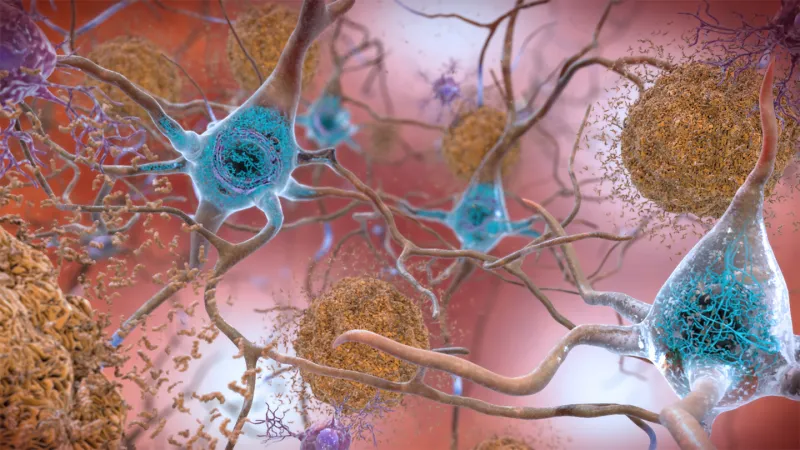
The first wave of clinical data on an experimental Alzheimer's drug has delivered exactly what the field needs most: measurable progress and a complication. The compound lowered tau levels and slowed certain memory losses, but the surprise twist in the data is a reminder that neurodegeneration does not yield to linear narratives. We are watching a story where the headline is real, yet the fine print is doing the heavy lifting.
This result lands alongside our own reporting on the brain's broader support systems. We have covered how Lymphatic System Intervention Shows Promise in Alzheimer’s Model in mice, a separate pathway that reduces inflammation rather than targeting protein aggregates directly. And we have examined Longitudinal Data Links Early Sugar Restriction to Reduced Dementia Risk, which points to metabolic factors shaping vulnerability decades before symptoms appear. The new drug trial fits into this larger picture: it is not the only lever, and it may not be the most important one.
Our take is that tau lowering is a meaningful step, but the nuance in the data should temper any impulse to frame this as a breakthrough. The drug did not stop cognitive decline; it slowed it. That distinction matters for how patients and clinicians set expectations. If a treatment can buy time while preserving quality of life, that is a valid goal. But we should not confuse a statistically significant effect on a biomarker with a cure. The field has been burned before by overinterpreting surrogate endpoints, and the surprise twist in this trial is a healthy corrective.
For our readers, the practical implication is direct: do not wait for a single magic bullet. The Bull Shark Brain Resilience: How Long Do Jaws Function Post-Mortem? is a curiosity, but it reminds us that nervous tissue behaves in ways we are still mapping. The more relevant takeaway is that the most robust strategy likely combines interventions. If early metabolic health matters, and if immune function in the brain matters, and if clearing toxic proteins matters, then a multi-pronged approach is the rational path forward.
The open question is whether this drug's benefit will hold in longer trials or prove to be a statistical artifact of a specific subgroup. We would tell a reader who asks us directly: treat this as a signal, not a solution. The concrete point to watch is how the trial's surprise twist affects the next phase of research. If the unexpected finding points to a biomarker that predicts who responds best, that is more valuable than the drug itself. That is the detail that could change practice. That is the number to watch.