brain
brain at World Data Ocean is a file of 4 stories. The newest of them: “Decoding the universe through ice, neurons, and mirrored molecules”, “Lymphatic System Intervention Shows Promise in Alzheimer’s Model”, and “Bull Shark Brain Resilience: How Long Do Jaws Function Post-Mortem?”. An icy window into the cosmos, a light switch for the brain, and the mystery of mirror-image molecules, each earned top honors by advancing how we decode the universe. A targeted shift in immune cell behavior within lymph nodes is showing measurable impact in an Alzheimer's model. A Global Hub for Ocean Intelligence 4 World Data Ocean is a centralized digital platform where researchers, scientists, and ocean enthusiasts converge to… The list below is every brain story on World Data Ocean, newest first.

Decoding the universe through ice, neurons, and mirrored molecules
An icy window into the cosmos, a light switch for the brain, and the mystery of mirror-image molecules, each earned top honors by advancing how we decode the universe. These breakthroughs share a common thread: they prove that validated, empirical discovery is the most powerful tool we have. Understanding drives protection. For those tracking the chemical signatures of life, our recent work on calibrating a new global standard for dissolved organic phosphorus offers another layer of measurable insight.

Lymphatic System Intervention Shows Promise in Alzheimer’s Model
A targeted shift in immune cell behavior within lymph nodes is showing measurable impact in an Alzheimer's model. By removing a specific immune cell type, researchers reduced both brain inflammation and cellular damage in mice. The finding reinforces a broader principle: the peripheral immune system is not peripheral to brain health. It is integrated with it. For those tracking how immune mechanisms translate across conditions, this study offers a useful, evidence-based thread.
Bull Shark Brain Resilience: How Long Do Jaws Function Post-Mortem?
A bull shark's jaws snapping shut after evisceration is not a sign of life, but neither is it simple myth. The fish's nervous system retains function after blood loss, driving reflexive muscle contractions that can persist well beyond the five-minute mark you assumed. Your mammalian baseline undersells marine resilience; sharks rely on decentralized neural circuits. The angry commenters mislabel this as abuse, but the animal was already dead.
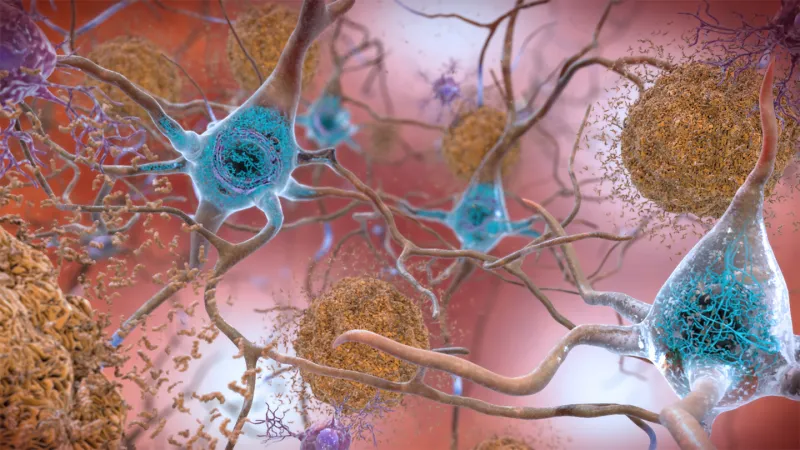
Early Alzheimer’s Drug Data Shows Promise, Reveals Unexpected Nuance
An experimental Alzheimer's drug has delivered something rare in this field: measurable progress with an unexpected complication. The compound lowered tau levels in the brain and slowed aspects of memory decline, yet the nuance in the data is as instructive as the headline. That kind of layered result is what real progress looks like. For readers tracking the broader picture, our coverage of lymphatic system intervention in an Alzheimer's model offers a complementary thread worth pulling.