container vessels
World Data Ocean keeps container vessels in one place: 3 stories so far. The section currently leads with “Collaborative Shipbuilding: India and Germany Advance Ocean Research Capabilities”, “AIS Data and Fuzzy Logic Model Assess Vessel Emissions Impact in Ports”, and “El Niño Drought Restricts Panama Canal Vessel Traffic.”. India's Buoyancy Consultants has signed a maritime pact with Germany's Neptune Ship Design GmbH to deliver specialised container, passenger, and research vessels. Vessel carbon emissions in port waters are not evenly distributed, and Qingdao Port's September 2022 AIS and meteorological data reveal where the burden falls. A Global Hub for Ocean Intelligence 4 World Data Ocean is a centralized digital platform where researchers, scientists, and ocean enthusiasts converge to… The list below is every container vessels story on World Data Ocean, newest first.
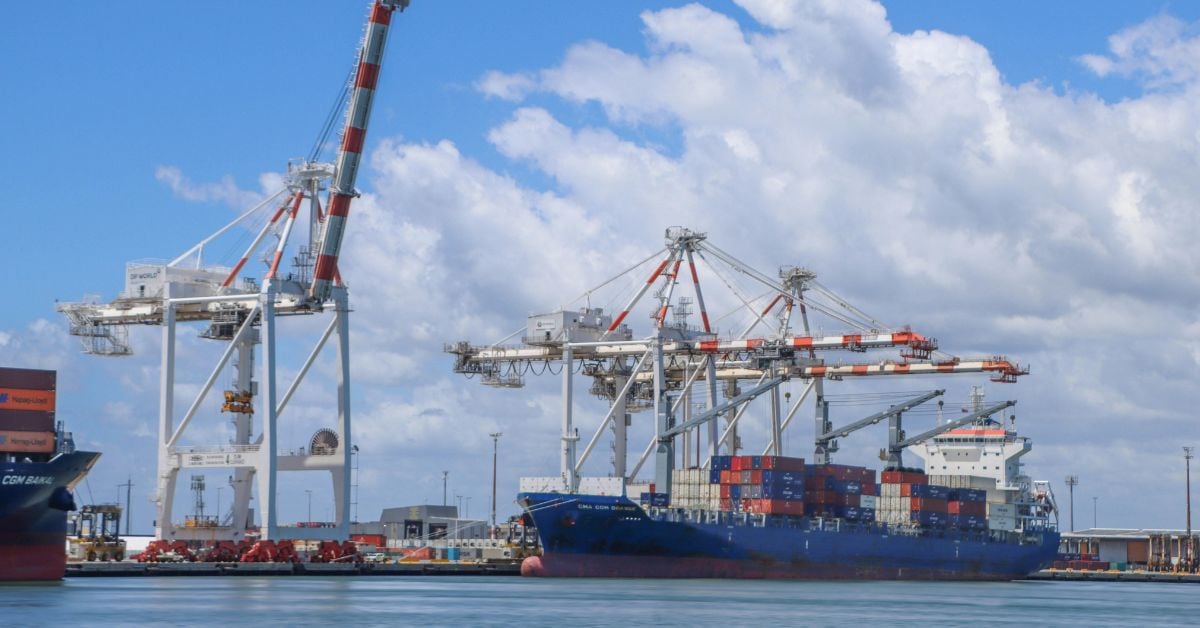
Collaborative Shipbuilding: India and Germany Advance Ocean Research Capabilities
India's Buoyancy Consultants has signed a maritime pact with Germany's Neptune Ship Design GmbH to deliver specialised container, passenger, and research vessels. This collaboration pairs Indian shipbuilding capability with German engineering precision, a combination that speaks directly to the need for measurable progress in ocean research infrastructure. It is a practical step forward, not a symbolic one. For those tracking how national capabilities expand, this is worth watching.

AIS Data and Fuzzy Logic Model Assess Vessel Emissions Impact in Ports
Vessel carbon emissions in port waters are not evenly distributed, and Qingdao Port's September 2022 AIS and meteorological data reveal where the burden falls. A hierarchical fuzzy logic model, built on that data, weighs direct and indirect factors like offshore distance and ecological sensitivity. The result: harbor districts and wharves bear the highest impacts, led by oil tankers, container vessels, and passenger ships. This approach gives ports a calibrated, measurable way to target supervision.

El Niño Drought Restricts Panama Canal Vessel Traffic.
The Panama Canal Authority has restricted daily vessel crossings, a direct response to drought-like conditions driven by El Niño. This is a practical, measured adjustment to a pressing climate reality. The waterway's reliability depends on predictable rainfall, and its absence demands immediate operational recalibration. It is a reminder that infrastructure, however advanced, remains tethered to environmental stability. For broader context on this phenomenon, our article on El Niño's unprecedented ocean warming offers critical insight.