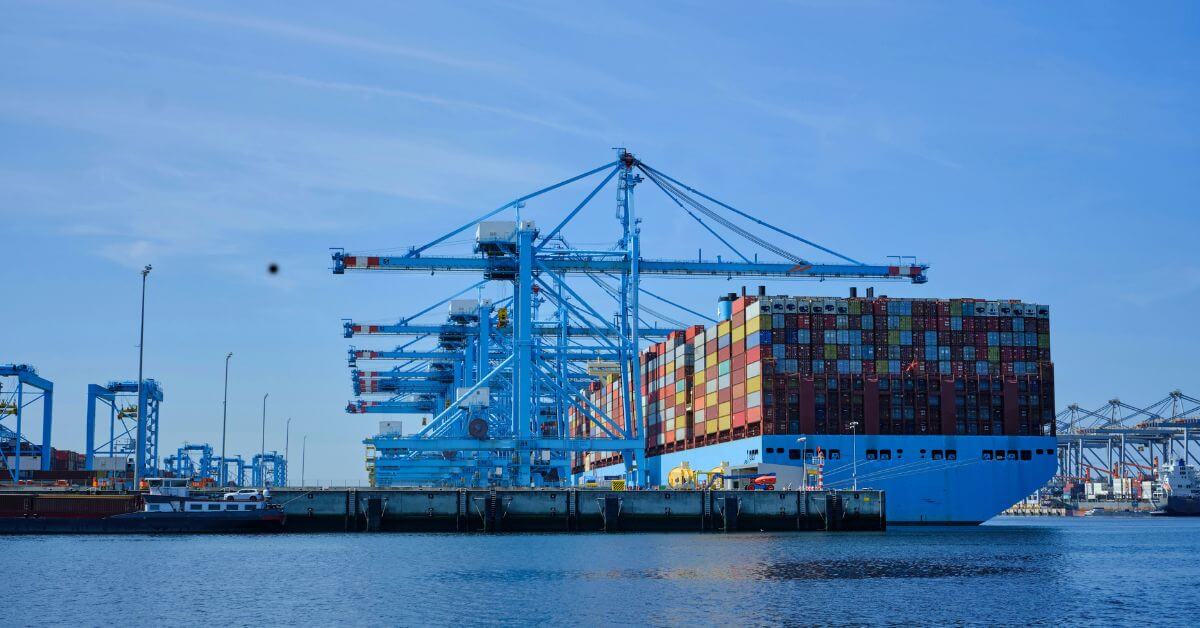
The maritime domain has always been a theater of strategic interest, but the recent allegations against a Chinese shipping giant reframe the commercial fleet as a potential instrument of intelligence gathering. The claim, detailed in the report, suggests that concealed equipment was used to collect communication signals from ships and aircraft across three continents. This is not a distant geopolitical abstraction; it is a direct challenge to the trust that underpins global shipping lanes. The same vessels that carry our goods, we are now told, may have been calibrated for a different kind of cargo: data. This development forces a conversation about the integrity of the very infrastructure our economies rely on.
This story does not exist in a vacuum, and it is worth examining how it connects to broader maritime security concerns. The recent warning about Russian maritime activity and suspected drone operations in the Mediterranean highlights a pattern of state-linked commercial assets being used for dual purposes. Similarly, the report on COSCO rejecting these espionage claims shows a familiar cycle of accusation and denial, with no immediate mechanism for independent verification. These parallel narratives suggest a troubling trend: the lines between commercial necessity and state security are being deliberately blurred. For our readers, both researchers and policymakers, the takeaway is that maritime intelligence is no longer the sole purview of naval vessels; it is a variable embedded in the global supply chain.
What is most concerning here is the operational implication for the future of shipping. If a major flag state or port authority decides to act on these allegations, we could see a push for more rigorous inspections or even restrictions on vessel movements. This would introduce a layer of friction into a system designed for efficiency. The article mentions "ocean intelligence" as a concept, but this incident underscores the difference between gathering environmental data and harvesting communications. We must ask ourselves whether the industry can self-regulate, or if external oversight is necessary to ensure that a ship's transponder is the only signal it emits. The cost of retrofitting or auditing every vessel for concealed equipment would be astronomical, which is precisely why this open question will not be resolved quickly.
For a reader asking what to watch next, the concrete detail to monitor is the response from allied intelligence agencies. Will they release more specific evidence, or will this remain a diplomatic standoff? The related story about COSCO's denial suggests that we are at an impasse. The practical consequence for the maritime sector is an added layer of risk assessment when chartering or insuring vessels. We would advise stakeholders to pay close attention to any new compliance requirements that emerge from this incident. The ocean is a vast, hard-to-police space, but the mechanisms of commerce are not. The question is whether we will choose to secure the data as rigorously as we secure the cargo.