intelligence gathering
World Data Ocean keeps intelligence gathering in one place: 8 stories so far. The section currently leads with “Enhanced Monitoring: China Expands Djibouti Base Near Key Shipping Lanes”, “Data Signals Concerns: Shipping Practices Raise Intelligence Questions.”, and “Escalation in Strait of Hormuz: Iran Intercepts US Drone.”. Satellite imagery shows Beijing has expanded its Djibouti base with new radars, antennas, and naval assets, sharpening its watch over one of the world's busiest maritime corridors. A new report alleges that China has arranged to collect communication signals from ships and aircraft across Europe, North America, and Asia, raising pointed intelligence questions. A Global Hub for Ocean Intelligence 4 World Data Ocean is a centralized digital platform where researchers, scientists, and ocean enthusiasts converge to… The list below is every intelligence gathering story on World Data Ocean, newest first.
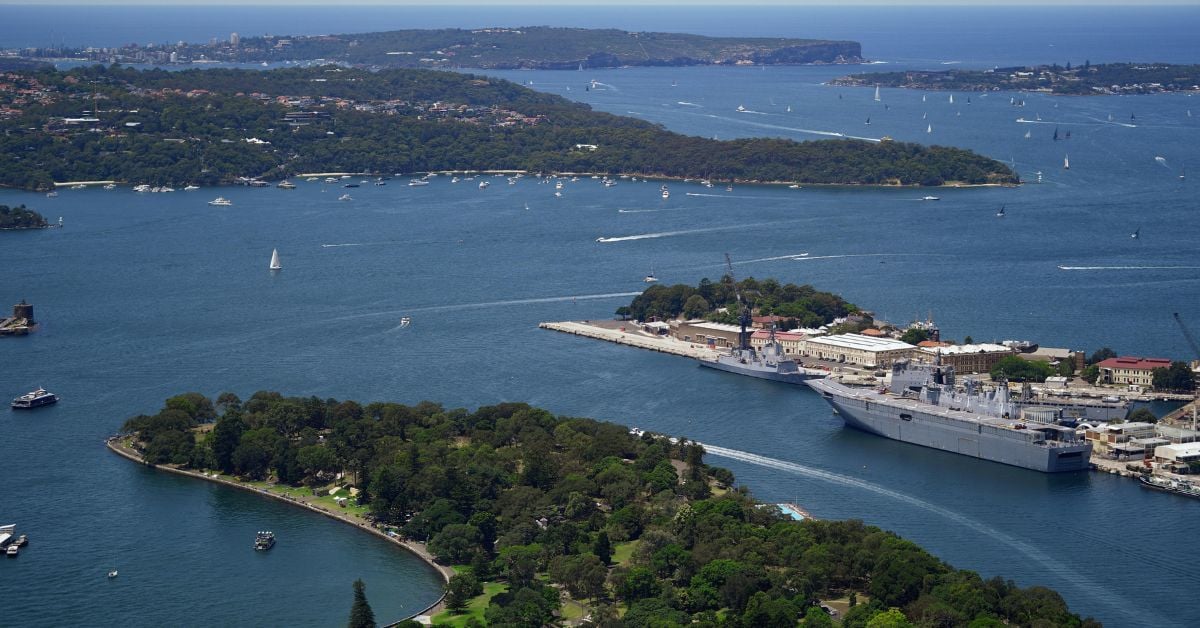
Enhanced Monitoring: China Expands Djibouti Base Near Key Shipping Lanes
Satellite imagery shows Beijing has expanded its Djibouti base with new radars, antennas, and naval assets, sharpening its watch over one of the world's busiest maritime corridors. The move is measured, deliberate, and strategically clear. It is not about alarm; it is about presence. For readers tracking how naval power reshapes trade routes, this pairs naturally with our report on Gulf of Oman STS transfers maxing out.
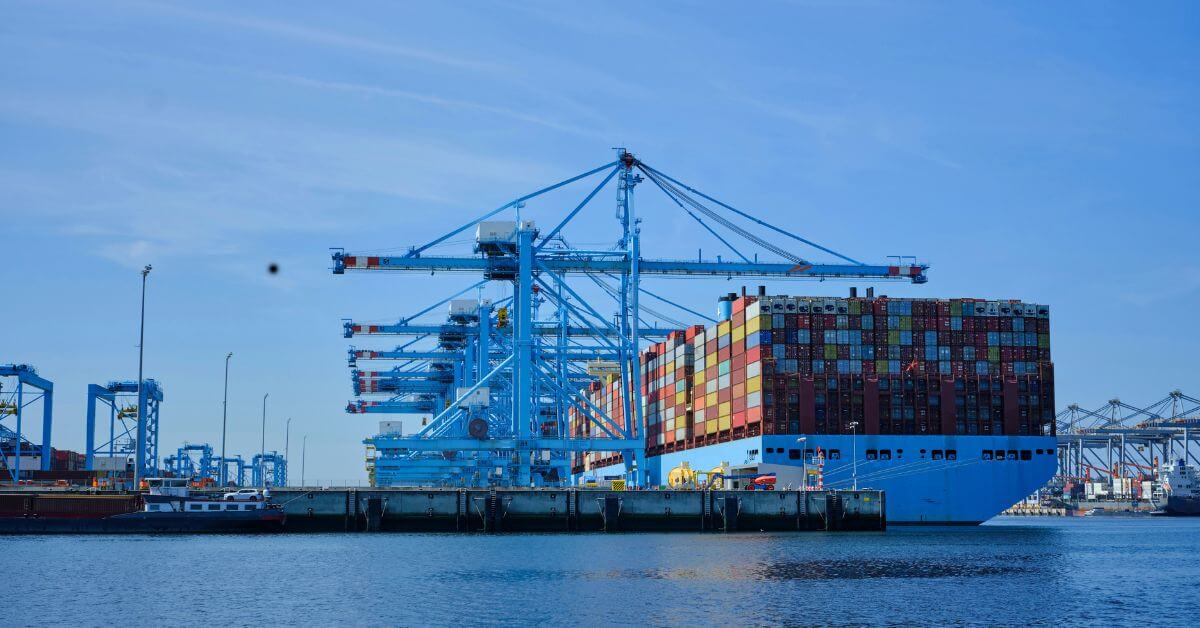
Data Signals Concerns: Shipping Practices Raise Intelligence Questions.
A new report alleges that China has arranged to collect communication signals from ships and aircraft across Europe, North America, and Asia, raising pointed intelligence questions. The claim, tied to shipping practices, demands scrutiny for its geopolitical implications. If accurate, it signals a deliberate expansion of maritime surveillance under commercial cover. This follows related coverage, including COSCO's denial of U.S. espionage claims, which adds context. Measured attention is warranted. The ocean is vast, but transparency should not drift with the current.
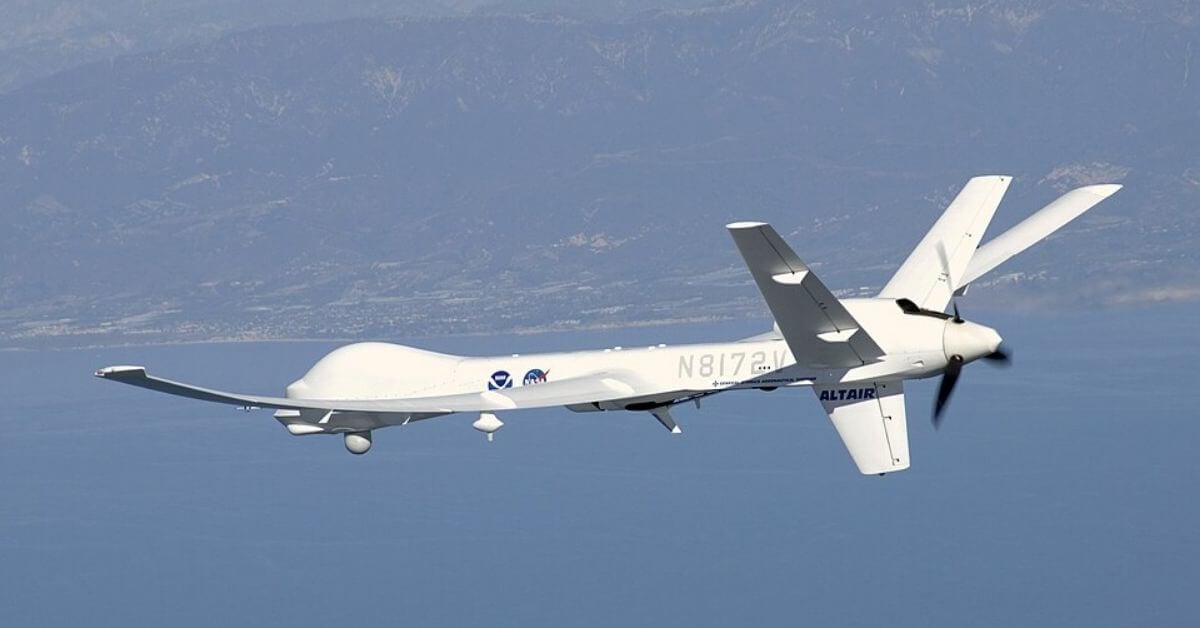
Escalation in Strait of Hormuz: Iran Intercepts US Drone.
Iran's interception of a US MQ-9 Reaper over the Strait of Hormuz sharpens a familiar tension: the world's most vital energy artery now doubles as a flashpoint for drone-versus-drone bravado. The Reaper, a medium-altitude workhorse from General Atomics, is built for persistence, yet here it met a check on that persistence. This is calibrated pressure, not chaos, and it demands measured reading. For broader maritime context, our related piece on Gulf of Oman STS transfers maxing out offers useful framing.
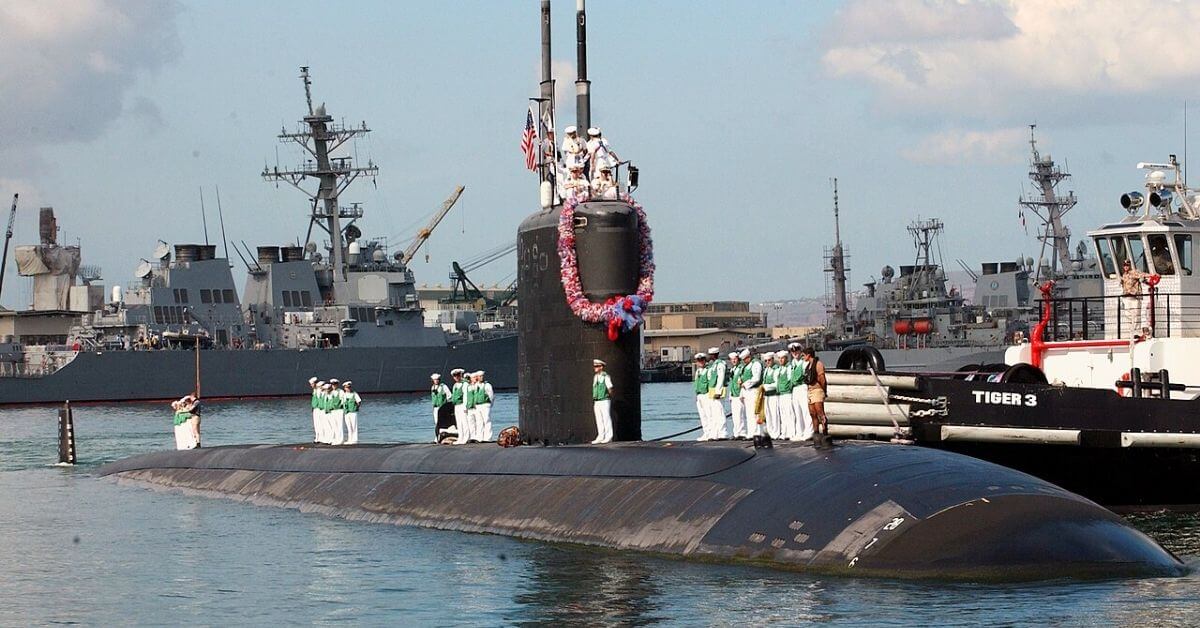
Submarine Maintenance Backlog: $3.4 Billion Cost and Operational Impacts
Fifteen submarines could sit idle for nearly 14,000 days combined between 2026 and 2030, a $3.4 billion backlog that signals a system straining under its own weight. The GAO's estimate is not abstract; it is lost operational capacity with real consequences for maritime readiness. We track these pressures closely, just as we do the Gulf of Oman STS Transfers Max Out Amid Rising Saudi Oil Exports, where infrastructure limits are equally visible.

Increased Naval Presence: UK Monitors Rising Russian Activity.
The latest figures land with quiet precision: UK authorities released new data on Russian naval activity weeks after interdicting a sanctioned shadow fleet tanker in the English Channel. This is measured escalation, not alarm. Intercepting that vessel sent a clear signal, and the numbers now confirm why. For readers tracking broader maritime pressure, India's fleet expansion offers a parallel thread. But here, the focus stays local: surveillance, deterrence, and the unglamorous work of patrolling our own waters.

Ulyanovsk Submarine Enters Final Construction Phase for Russian Navy.
The Ulyanovsk has moved into its final construction phase, a decisive step before sea trials and delivery to the Russian Navy. This nuclear-powered cruise missile submarine represents a measured, tangible advance in Russia's maritime capabilities. We view this as a practical milestone, not a spectacle. The vessel's progression underscores a persistent commitment to strategic naval power, a thread also visible in the Vostok Project's Arctic oil exports. Both developments signal a firm, unyielding posture.

Securing Coastal Waters: Coast Guard Explores Counter-Drone Technologies.
The U.S. Coast Guard is moving deliberately to harden its coastal defenses, seeking industry input on counter-drone platforms that can be integrated into existing networks. This is a measured step toward addressing an evolving threat with calibrated, practical solutions. Unmanned systems demand a response that is both real-time and reliable. Understanding drives protection, and this exploration reflects that principle. For broader context on maritime security efforts, our coverage of Maritime Interdictions Yielding 25,000 Pounds of Cocaine offers a complementary view of the service's operational reach.

Live-Fire Drill Raises Tensions in Disputed Waters Southwest of Okinotori
A live-fire drill conducted Sunday roughly 180 kilometers southwest of Okinotori, Japan's southernmost island, introduces a calculated edge to an already fraught maritime landscape. The exercise, occurring in disputed waters, signals more than readiness; it reflects a persistent assertion of presence that cannot be ignored. Such calibrated maneuvers demand scrutiny, as they intersect with broader regional dynamics.