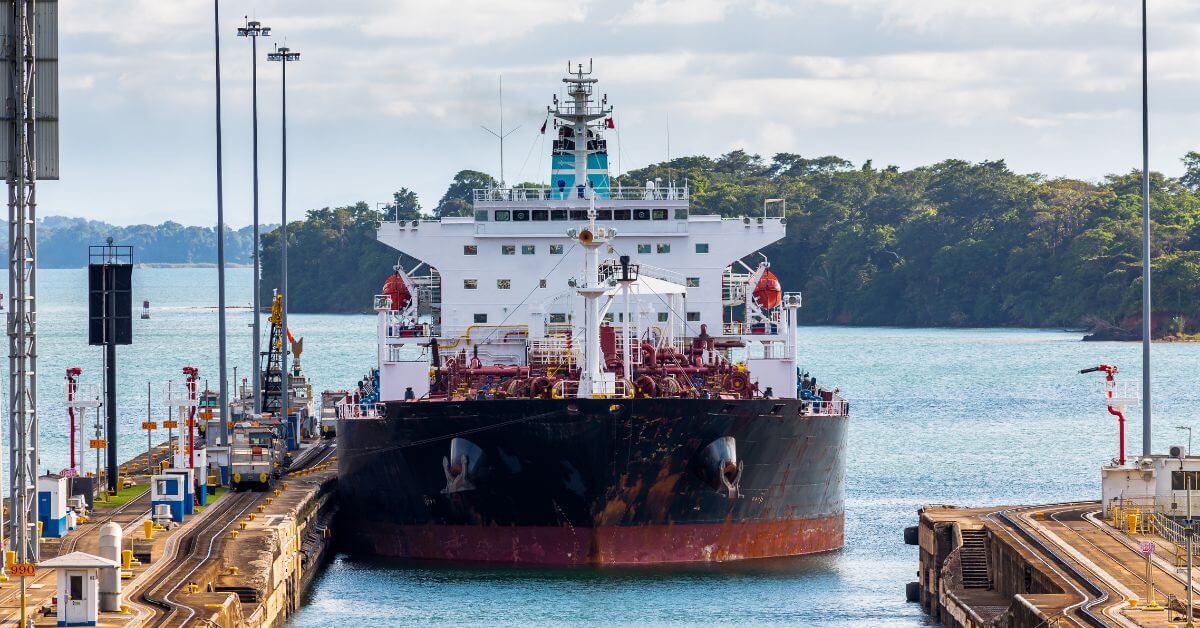
The recent surge in detentions of Panama-flagged vessels in Chinese ports presents a complex challenge with implications extending far beyond maritime logistics. While the Federal Maritime Commission's (FMC) close monitoring is a crucial first step in understanding the scope of this issue, World Data Ocean views this situation through the lens of interconnected global systems. Maritime trade routes are not merely conduits for goods; they are arteries of the global economy, intrinsically linked to the health of our oceans and the stability of international relations. The efficient and predictable movement of vessels under flags of convenience, such as Panama's, is foundational to the predictability required for global commerce. Any disruption, particularly one involving a significant number of detentions, signals a potential ripple effect across supply chains, influencing commodity prices and economic forecasts. Our commitment to fostering a global, collaborative approach to ocean intelligence means we must examine these events not in isolation, but as indicators within a broader, dynamic system.
From a scientific and data-driven perspective, these detentions raise questions about the underlying causes and their potential impact on ocean stewardship. Are these detentions a result of evolving regulatory landscapes, operational discrepancies, or factors external to the maritime industry itself? Understanding the precise metrics and validated data points associated with these incidents is paramount. World Data Ocean emphasizes the importance of empirical evidence and peer-reviewed analysis to move beyond speculation and toward actionable insights. The flow of information and the transparency of port state control procedures are vital for maintaining trust and ensuring the continued responsible operation of global shipping. A breakdown in this transparency can create uncertainty, potentially leading to increased operational costs and delays, which in turn can affect the economic viability of industries reliant on ocean transport.
Ultimately, events like these underscore the critical need for integrated data ecosystems that provide real-time visibility into global maritime operations. Such systems, built on a foundation of scientific rigor and technological innovation, allow for the identification of trends, the assessment of risks, and the development of informed strategies. The purpose of World Data Ocean is to empower stakeholders—from researchers and policymakers to industry leaders—with the ocean intelligence necessary to navigate such challenges effectively. By fostering collaboration and promoting a shared understanding of the complex interplay between global trade, environmental factors, and international regulations, we can work towards solutions that ensure both the health of our oceans and the resilience of the global economy. The current situation serves as a potent reminder that understanding drives protection, and that a clear, data-informed approach is essential for effective ocean stewardship and sustainable global commerce.