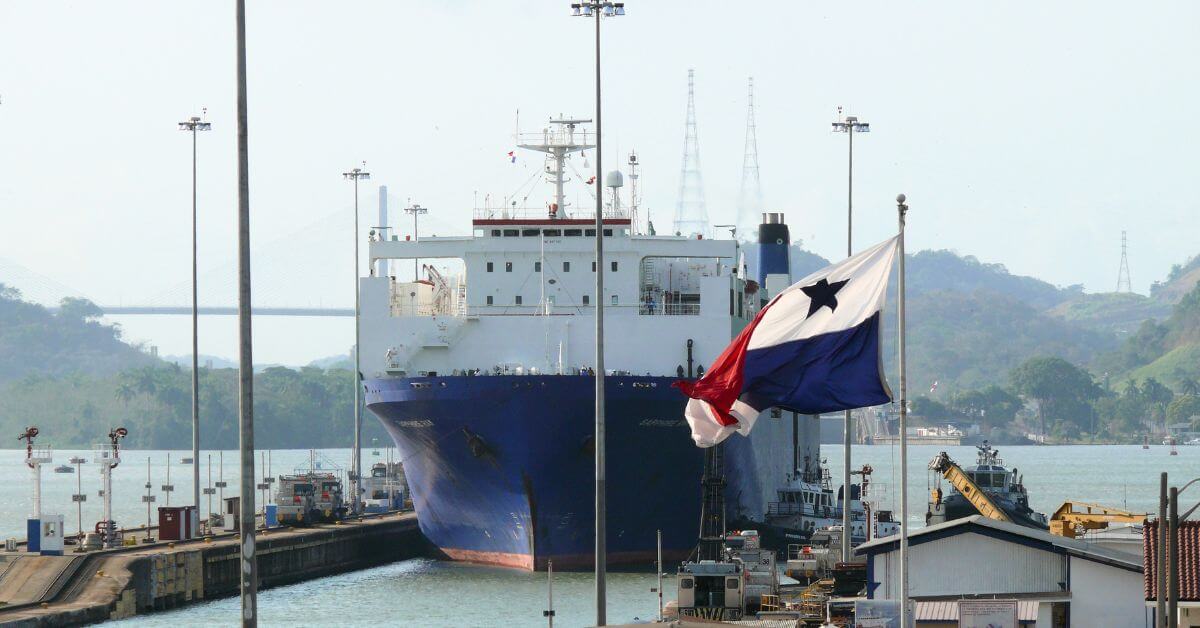
The recent reports of China detaining Panama-flagged vessels in its ports, now under scrutiny by the U.S. Federal Maritime Commission, underscore a critical layer of complexity within global maritime operations. This situation highlights not only the geopolitical currents influencing international trade but also the interconnectedness of global supply chains and the vital role of established maritime registries. For World Data Ocean, this development serves as a tangible example of how disruptions in one segment of the ocean’s vast ecosystem – in this case, the predictable flow of goods – can have cascading effects. Our commitment to understanding the ocean in its entirety, from its biological and chemical processes to the human activities that traverse its surface, compels us to analyze such events with scientific rigor and a focus on data-driven insights.
The implications of these detentions extend beyond immediate logistical challenges. They raise questions about international maritime law, port state control, and the stability of trade routes that are fundamental to the global economy and, by extension, to the health of our planet. A robust and transparent maritime system is essential for achieving our shared goals of sustainable ocean stewardship. When the predictability of shipping lanes is compromised, it can impede the delivery of vital resources, affect the economic viability of industries that rely on ocean transport, and potentially influence the pace at which we can implement critical environmental initiatives. World Data Ocean’s mission to foster global collaboration in understanding and protecting the ocean is directly impacted by the reliability and integrity of the systems that connect our world.
Our approach emphasizes the importance of integrated data and clear communication in navigating these complex challenges. By monitoring and analyzing patterns in maritime activity, alongside environmental data, we can develop a more comprehensive picture of the forces shaping our oceans. The detentions, while a specific geopolitical issue, also represent a disruption to the expected flow of data and commerce. It is through continuous, validated observation and the open sharing of empirical findings that we can build resilient systems and informed policies. Understanding the underlying causes and broader consequences of such incidents is paramount to fostering a future where both human enterprise and ocean health can thrive in balance, driven by knowledge and a collective commitment to action.