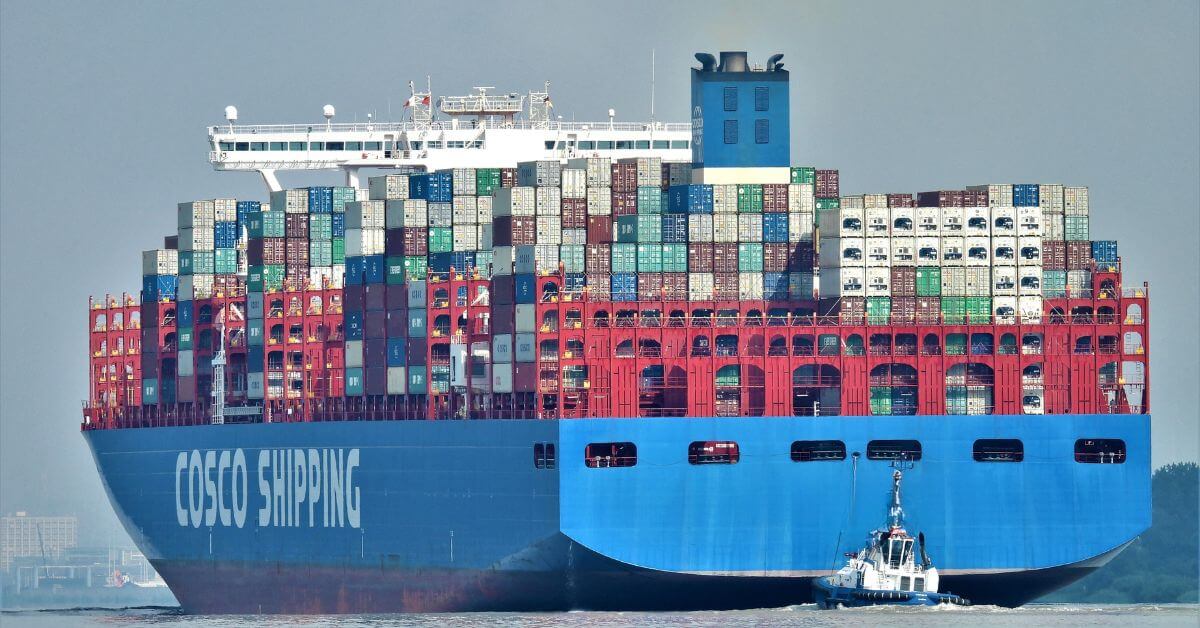
The recent disruption in the Strait of Hormuz, where Chinese container ships reportedly halted transit despite assurances of safe passage for vessels from allied nations, underscores the intricate relationship between geopolitical stability and global maritime trade. This event, even with its specific context, serves as a potent reminder of how interconnected our world's supply chains are with the currents of international relations. At World Data Ocean, we view such incidents not merely as isolated news items, but as data points that highlight the vulnerabilities and complexities inherent in managing our planet's vital ocean arteries. The flow of goods, energy, and resources through critical chokepoints like the Strait of Hormuz is directly influenced by a myriad of factors, from diplomatic tensions to regional conflicts, each leaving a measurable impact on global commerce and, by extension, on the broader health of our ocean systems.
Our mission at World Data Ocean is to provide the validated, measurable insights necessary to navigate these complex interdependencies. We believe that a comprehensive, integrated data ecosystem is crucial for understanding how geopolitical events translate into tangible consequences for ocean health and maritime operations. The ability to monitor and analyze real-time shipping patterns, coupled with an understanding of underlying geopolitical dynamics, allows for a more informed approach to risk assessment and strategic planning. This is not about alarmist messaging, but about fostering a clear-eyed appreciation of the factors that influence global trade and the ocean environments that support it. By synthesizing empirical data with an awareness of global trends, we aim to empower researchers, policymakers, and industry stakeholders with the ocean intelligence needed to foster resilience and ensure the continued accessibility of these vital waterways.
The implications of such disruptions extend beyond immediate economic concerns. The steady, predictable movement of vessels is fundamental to the global economy and plays a role in the overall efficiency and environmental footprint of maritime transport. When transit is interrupted, even temporarily, it can lead to rerouting, increased fuel consumption, and potential delays in the delivery of goods, all of which have cascading effects. Our commitment is to provide the data and analytical frameworks that allow for a deeper understanding of these connections. By focusing on clarity, scientific integrity, and the importance of shared knowledge, World Data Ocean seeks to foster a collaborative environment where informed decisions can be made to safeguard both global trade and the invaluable resource that is our ocean. Understanding drives protection, and our work is dedicated to ensuring that understanding is both comprehensive and accessible.