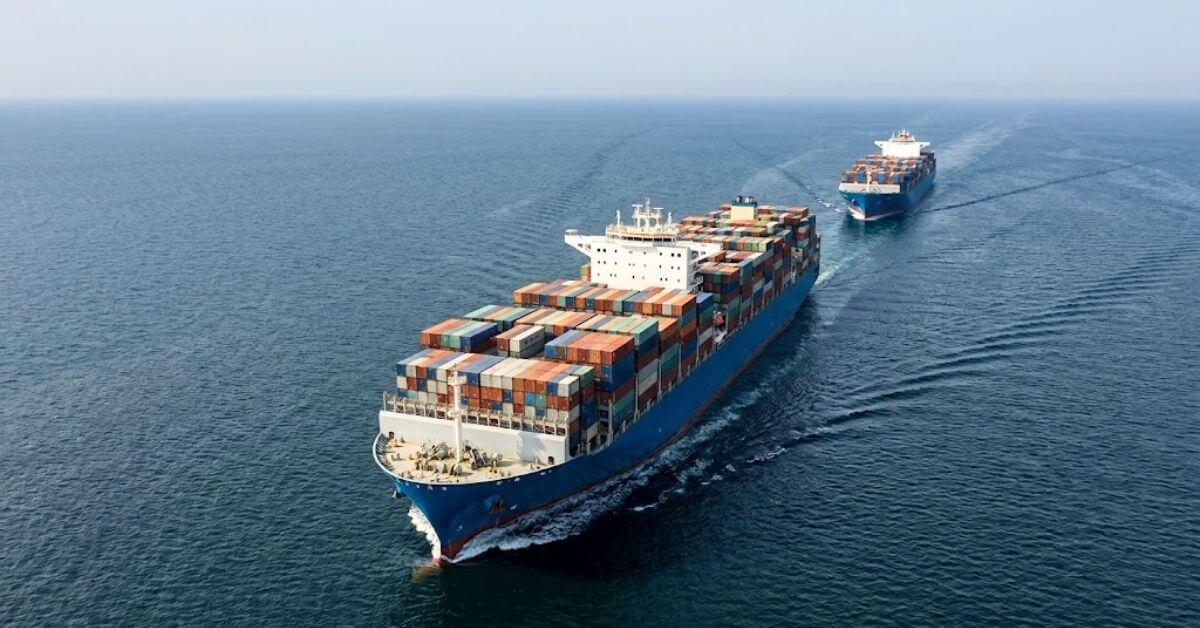
The recent transit of the CSCL Indian Ocean and CSCL Arctic Ocean through the Strait of Hormuz, a second attempt following an earlier disruption, underscores the persistent complexities of global maritime operations and their intrinsic connection to broader geopolitical and environmental considerations. While this specific event highlights the resilience of established shipping routes, it also serves as a potent reminder of the intricate web of factors that influence ocean commerce. At World Data Ocean, we view such developments not merely as logistical maneuvers but as data points within a larger, interconnected system. The ability for these vessels to resume their journey, however, is predicated on a foundation of robust monitoring and intelligence, principles that are central to our mission. Understanding the dynamics of critical choke points like the Strait of Hormuz requires more than anecdotal observation; it demands the integration of real-time vessel tracking, historical traffic patterns, and an awareness of the environmental conditions that can impact navigation. This incident, therefore, offers a valuable opportunity to reflect on the critical role of data in ensuring the safety and efficiency of global trade, and by extension, the health of the ocean environments through which these vital arteries flow.
The successful passage of these container ships, despite prior challenges, is a testament to the adaptive capabilities within the shipping industry, often supported by advanced technological solutions. However, the underlying context of such events is crucial. The Strait of Hormuz is a vital artery for global energy supplies and a significant route for containerized goods, meaning any disruption has far-reaching economic and logistical consequences. From our perspective at World Data Ocean, the ability to track and analyze such movements provides invaluable insights into global supply chains, energy security, and the cumulative impact of maritime traffic on marine ecosystems. Our commitment lies in providing the validated, measurable data necessary to understand these complex interactions. We believe that by fostering an integrated data ecosystem, we can equip researchers, policymakers, and industry leaders with the ocean intelligence needed to navigate not only physical passages but also the challenges of sustainable development and environmental stewardship.
Ultimately, the resumption of transit for the CSCL Indian Ocean and CSCL Arctic Ocean, while a logistical success, also prompts a broader discussion about the need for continuous, empirical observation of our oceans. The data generated from such events, when analyzed within a longitudinal framework, contributes to a more profound understanding of global trade patterns, their environmental footprint, and the resilience of critical maritime infrastructure. World Data Ocean is dedicated to aggregating and calibrating this data, transforming raw observations into actionable insights. Our goal is to illuminate the vital connections between human activity on the oceans and the health of the planet, ensuring that the complex currents of commerce and environmental change are understood with scientific clarity, fostering a sense of shared responsibility for the future of our world's oceans.