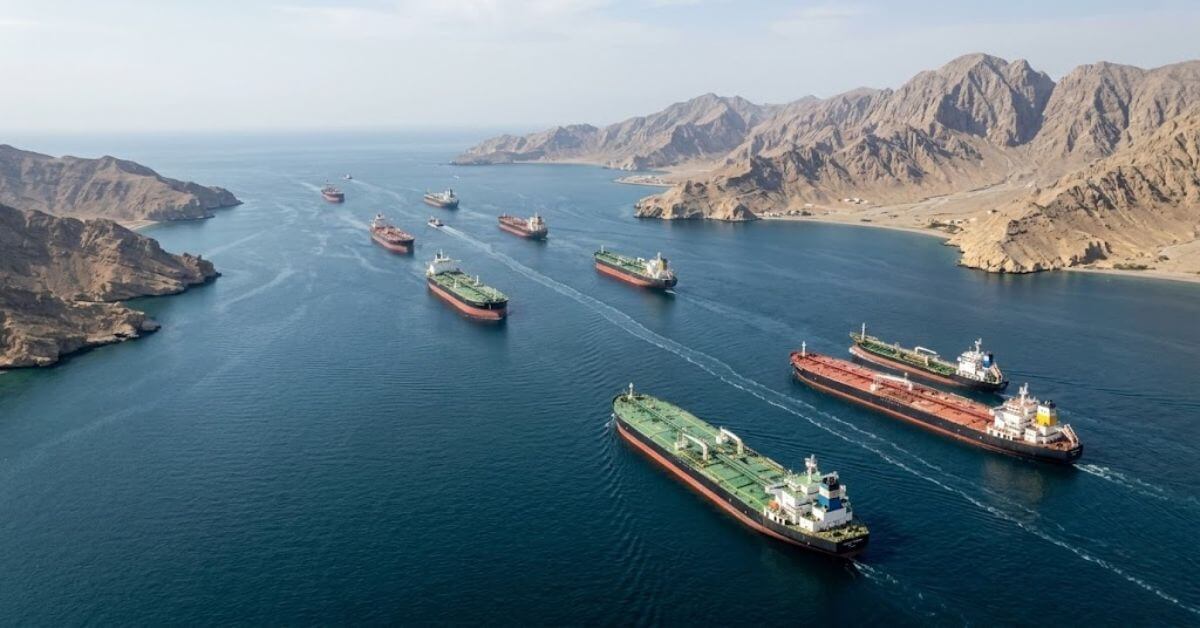
The United Kingdom's proposal to host a summit focused on the stability of the Strait of Hormuz underscores a critical intersection of geopolitical concerns and the vital flow of global commerce. This initiative, aimed at building a coalition capable of coordinated action, directly addresses the inherent vulnerabilities of a key maritime chokepoint. Such a gathering, designed to foster preparedness for periods of improved conditions, offers a tangible pathway toward providing much-needed reassurance to the merchant shipping industry. The disruptions experienced in this region have significant ripple effects, impacting not only the immediate trade routes but also the broader global economic landscape. A scientifically informed approach, prioritizing measurable outcomes and collaborative intelligence, is essential to understanding and mitigating these risks.
From a data-driven perspective, the Strait of Hormuz represents a microcosm of the complex interplay between human activity, geopolitical dynamics, and the foundational importance of secure maritime transit. The ability to monitor and analyze real-time conditions, supported by validated data and longitudinal studies, is paramount for effective strategy development. This proposed summit’s focus on building a coalition for action aligns with the principles of integrated data ecosystems, where diverse sources of information are synthesized to inform decision-making. When conditions permit, a pre-established framework for collaboration, informed by empirical evidence and peer-reviewed analysis, can enable a more effective and measured response to potential threats, thereby safeguarding global trade and economic stability.
The long-term implications of instability in such critical maritime arteries extend beyond immediate economic impacts, touching upon global energy security and the interconnectedness of national economies. World Data Ocean recognizes that robust ocean intelligence, encompassing environmental, economic, and geopolitical factors, is indispensable for charting a course towards resilience. The emphasis on providing reassurance to the merchant shipping industry highlights a core principle: that proactive, data-informed collaboration is more effective than reactive measures. By fostering a global dialogue grounded in scientific understanding and a shared commitment to maritime security, initiatives like this summit can contribute to a more stable and predictable future for international trade, reinforcing the understanding that informed stewardship of vital waterways is a collective endeavor.