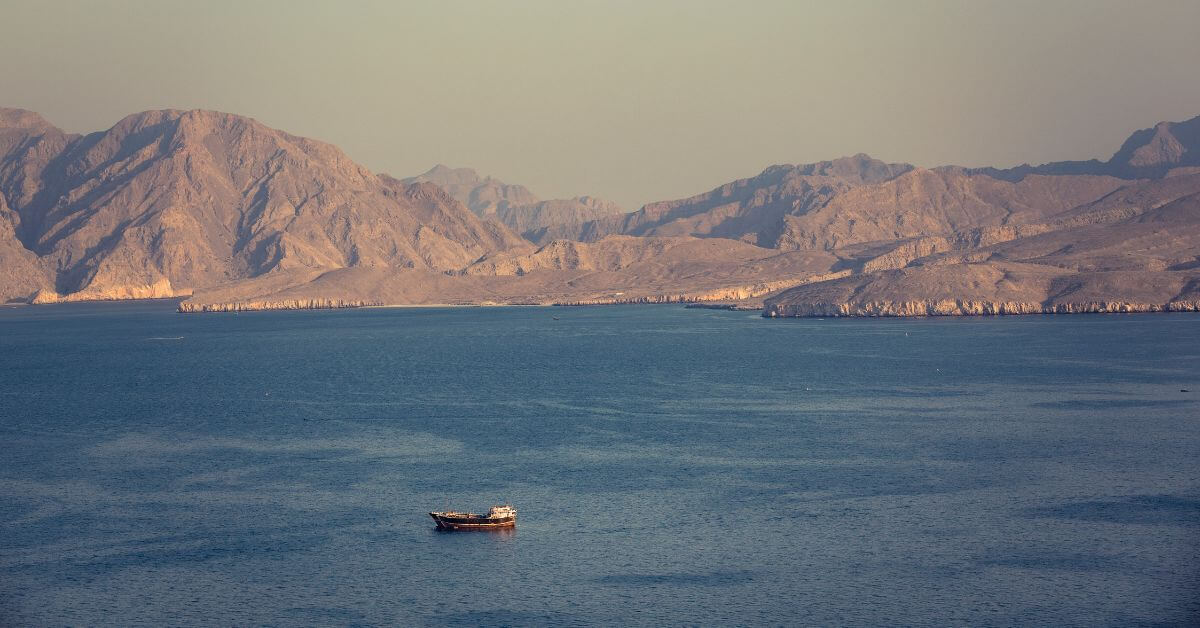
The recent meeting, convened following a joint statement from multiple nations, underscores a critical imperative: ensuring the safe passage of vessels through the Strait of Hormuz. This strategic waterway, vital for global commerce and energy security, faces ongoing geopolitical challenges that necessitate a coordinated, international response. World Data Ocean recognizes that such a complex issue demands more than just diplomatic pronouncements; it requires a foundation of accurate, real-time data and a commitment to shared understanding. Our approach to these challenges is rooted in the belief that validated, empirical information is the bedrock upon which effective policy and operational security are built.
The significance of the Strait of Hormuz extends far beyond regional interests. Its role as a chokepoint for a substantial portion of the world's oil supply means that disruptions here have far-reaching economic and societal consequences. This is where the power of an integrated data ecosystem becomes paramount. By leveraging advanced technologies for ocean intelligence, we can provide the measurable, longitudinal data necessary to monitor maritime traffic, identify potential risks, and inform decision-making processes. This includes employing sophisticated sensor networks, satellite imagery, and advanced analytical tools to create a comprehensive, calibrated view of the maritime environment. Such efforts are not about sensationalism; they are about providing the clear, actionable insights that policymakers and maritime operators need to navigate these complex waters with confidence and security.
The collaborative spirit demonstrated by the nations involved in these discussions is precisely the kind of global partnership World Data Ocean champions. Effective ocean stewardship, whether it pertains to safe passage, environmental protection, or resource management, is a shared responsibility. Our commitment is to facilitate this collaboration by providing an open, accessible platform for data and analysis, fostering a sense of shared knowledge and purpose. The goal is not to dictate solutions, but to empower stakeholders with the precise, peer-reviewed information they need to make informed decisions. By focusing on scientific integrity and the tangible impact of our work, we contribute to a more secure and sustainable future for our oceans and the critical maritime routes they support.