Bamboo toilet paper intrigued me. Reality turned out to be messy
Our take
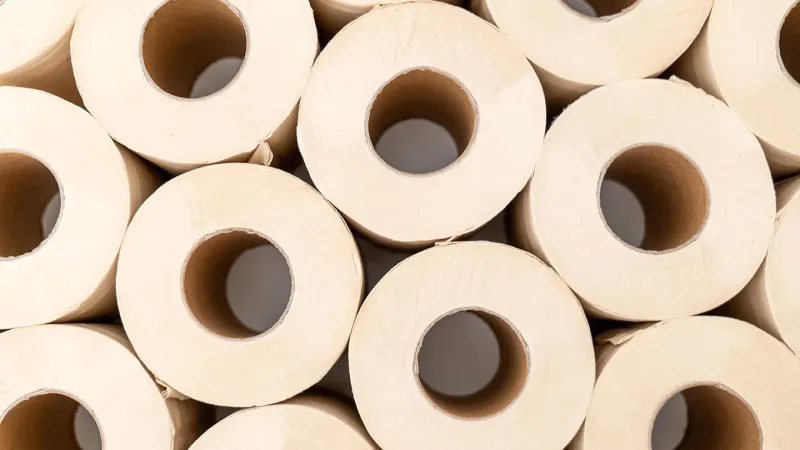
The burgeoning consumer interest in sustainable alternatives is reshaping numerous markets, and the realm of personal care products is no exception. The recent article questioning the ecological benefits of bamboo toilet paper highlights a crucial point often overlooked in the rush towards “green” solutions: a comprehensive, validated lifecycle assessment is paramount. While bamboo boasts a lower carbon footprint compared to traditional wood pulp, the article rightly points out the limited data available regarding its broader environmental impact, including land use, water consumption during cultivation, and the processing required to transform it into usable paper. This underscores a broader challenge in assessing the true sustainability of materials – moving beyond easily quantifiable metrics like carbon emissions to encompass a holistic understanding of resource utilization. The complexities of global supply chains further complicate matters; for example, recent restrictions on ship drafts through the Panama Canal [Falling Water Levels Push Panama Canal To Restrict Maximum Ship Draft To 47.5 Feet From September] demonstrate how climate-induced disruptions can significantly impact the logistics and environmental footprint of even seemingly straightforward commodities.
The push for genuinely sustainable solutions necessitates a more rigorous and data-driven approach. Simply labeling a product as “eco-friendly” is insufficient; it requires empirical evidence and transparent reporting. This resonates with the broader scientific community's focus on long-term data collection and analysis, as exemplified by studies tracking salinity trends in the World Ocean [Linear trends in salinity for the World Ocean, 1955–1998 - Boyer - 2005 - Geophysical Research Letters - AGU Publications]. Similarly, advancements in preventative medicine, such as the development of mRNA flu vaccines [Here’s what the first mRNA flu vaccine could mean for flu season], demonstrate the power of scientific innovation in mitigating environmental and public health challenges. The bamboo toilet paper example serves as a potent reminder that even well-intentioned efforts can fall short if they are not grounded in robust scientific understanding and rigorous evaluation. We need to move beyond simplistic narratives and embrace the complexity of assessing environmental impact.
The implications extend beyond the toilet paper aisle. This scrutiny of bamboo's sustainability should be applied across numerous industries exploring “natural” or “renewable” materials. The demand for these alternatives is only expected to increase as consumers become more environmentally conscious, creating a powerful incentive for companies to prioritize genuine sustainability over superficial marketing. However, without standardized methodologies for lifecycle assessments and increased transparency in supply chains, the risk of “greenwashing” remains substantial. The development of integrated data ecosystems that can track and validate environmental performance across entire supply chains is increasingly critical. Such systems would provide the measurable data needed to inform consumer choices and drive accountability among producers.
Ultimately, the conversation around bamboo toilet paper is a microcosm of a larger trend: the need for a more sophisticated and data-driven approach to sustainability. As the global community grapples with the escalating impacts of climate change and resource depletion, the demand for validated, empirical data will only intensify. The question now becomes: how can we accelerate the development and implementation of robust data collection and analysis methods to ensure that our pursuit of sustainable solutions is truly effective and avoids unintended consequences?
Read on the original site
Open the publisher's page for the full experience