carbon footprint
carbon footprint at World Data Ocean is a file of 7 stories. The newest of them: “Atmospheric CO₂ reaches record highs in 2024, validated by global data”, “Submerging Compute: New Data from Ocean Cooling Pilots”, and “Measured emissions data places food transport in ocean transit perspective”. Atmospheric CO₂ reached record highs in 2024, validated by global data from the World Meteorological Organization. Submerging compute hardware in the ocean is no longer theoretical. A Global Hub for Ocean Intelligence 4 World Data Ocean is a centralized digital platform where researchers, scientists, and ocean enthusiasts converge to… The list below is every carbon footprint story on World Data Ocean, newest first.

Atmospheric CO₂ reaches record highs in 2024, validated by global data
Atmospheric CO₂ reached record highs in 2024, validated by global data from the World Meteorological Organization. This is not an anomaly, it is a calibrated signal of accelerating change. Each measurable increase reinforces what the geological archive already tells us: the planet responds to pressure. Understanding drives protection. For deeper context on Earth's thresholds, see our coverage of "Five mass extinctions recorded in Earth's geological archive." The data is clear. The question is what we do with it.
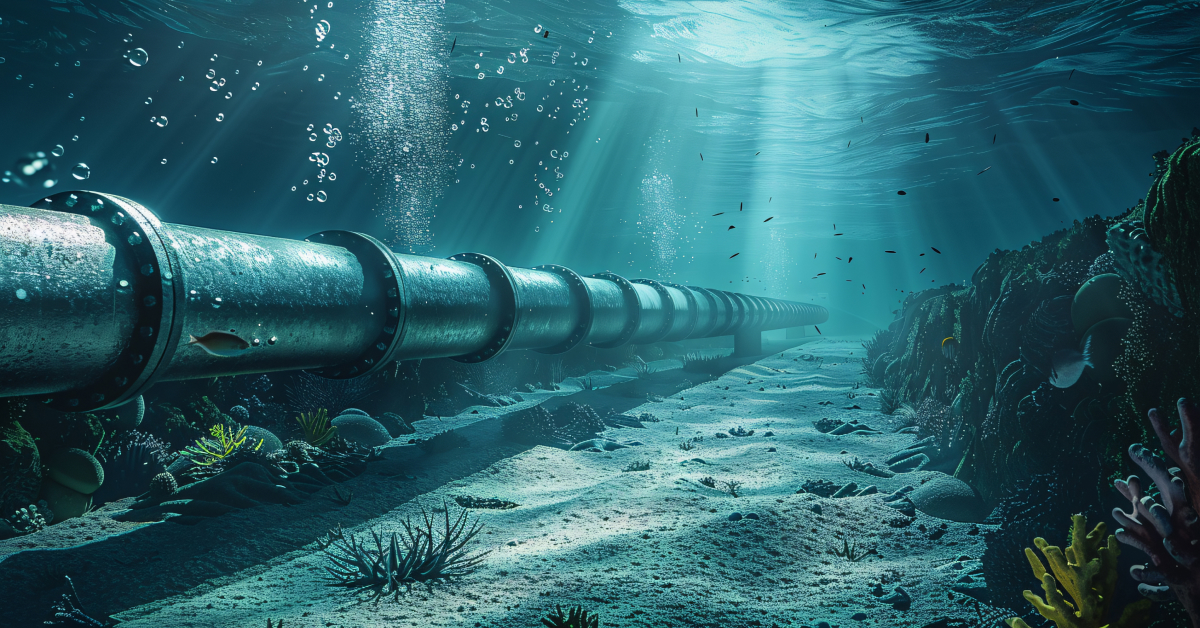
Submerging Compute: New Data from Ocean Cooling Pilots
Submerging compute hardware in the ocean is no longer theoretical. Early pilot data from ocean-cooled data centers shows validated, measurable reductions in energy use. This isn't a distant concept, it is an empirical step toward climate-resilient infrastructure. Cooling represents a staggering share of data-center energy consumption, and the ocean offers a stable, integrated thermal sink. For those tracking the broader shift, our coverage of ABB's electrification work with Ferrari Hypersail shows how innovation is redefining marine systems.

Measured emissions data places food transport in ocean transit perspective
Measured emissions data places food transport in ocean transit perspective: most food moves by boat, so food miles represent a relatively small share of a diet's carbon footprint. This finding is a welcome dose of empirical clarity in a debate often muddied by oversimplification. It reframes the conversation around production methods rather than transport distance, a more measurable, actionable focus. For context on maritime economics, see our related coverage of Russia's Northern Sea Route icebreaker funding plan.

Microalgae-Larvae Carbon Transfer: A Pathway to Sustainable Aquaculture.
A 33% carbon transfer efficiency from microalgae to shrimp larvae is a measurable, validated starting point. This study on *Litopenaeus vannamei* quantifies a biological pathway that has remained poorly understood. By calculating that global hatchery seed production retains approximately 9.2 tons of carbon annually, the research gives aquaculture a calibrated, empirical tool for carbon footprint assessments. Understanding drives protection. For deeper genomic context on algal symbiosis, see our related coverage of Symbiodiniaceae Minicircles.
Optimizing Salmon Feed with EPA & DHA Enhances Farm Sustainability.
A 2023-2024 El Niño period saw fish oil shortages that can reduce dietary EPA and DHA, but a new large-scale study shows how maintaining these omega-3s can make salmon farming more resilient. Analyzing over 430 million Atlantic salmon, the research links higher dietary EPA+DHA levels to lower mortality and better feed efficiency. These gains also cut the carbon and marine footprints of harvested salmon. For producers, this is a clear path to more stable and sustainable operations.

MSC Vandya's Size Meets Depth Limits at Port Everglades
At 143,521 gross tons and 1,200.2 feet in length, the MSC Vandya has arrived at Port Everglades, testing the limits of what the facility can accommodate. Its 13,050-TEU capacity underscores how modern shipping continues to scale up. This is a clear signal of sustained demand for efficient cargo movement. For context on this momentum, our piece on record port activity highlights how Chinese exports are driving similar surges elsewhere. The Vandya's visit is another measurable data point in that ongoing story.
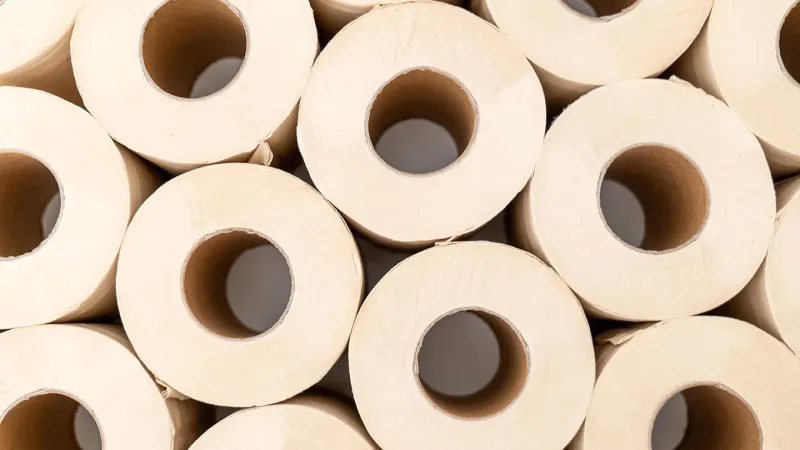
Beyond the Hype: Evaluating Bamboo Toilet Paper’s True Environmental Impact
Bamboo toilet paper is often marketed as the sustainable choice, yet its environmental credentials deserve closer scrutiny. The carbon footprint data remains surprisingly thin, leaving a gap between perception and proof. We appreciate the intent behind greener consumer options, but claims need empirical backing, not just good optics. For context on how we track ecological systems, our piece on integrated subsea cables offers a parallel on data-driven decisions. The wipe debate is far from settled, and researchers are right to push for measurable answers.