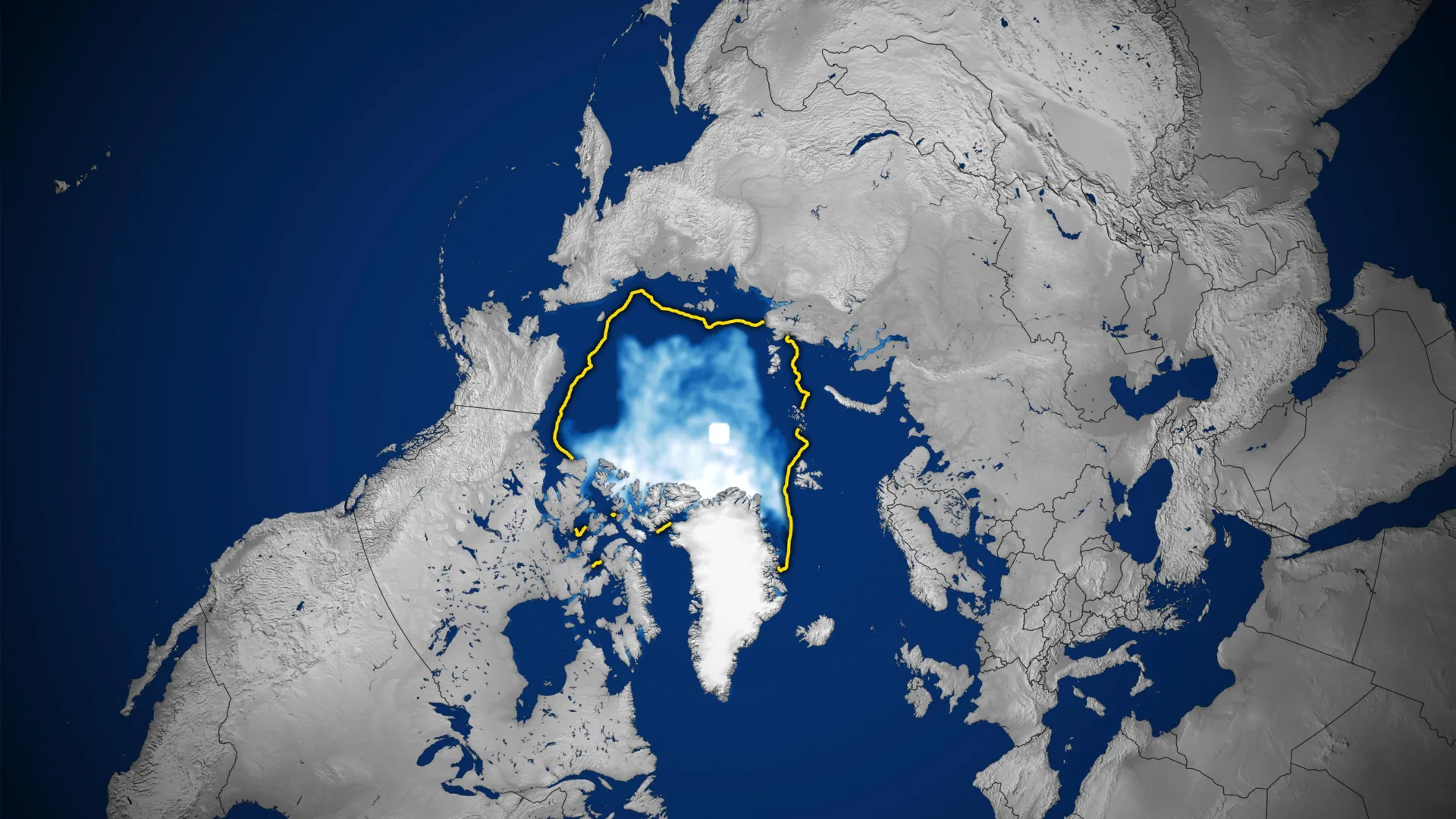
The Arctic is no longer a frozen fortress; it is a vulnerable system in measurable decline. Winter and summer sea ice records continue to thin, and the evidence is unambiguous: satellite data shows the region's remaining ice is younger, thinner, and far more susceptible to seasonal melt. Scientists now project a nearly ice-free summer before 2050. This is not a distant warning, it is a calibrated, empirical reality that demands an integrated data ecosystem to track and respond to.
That is precisely why Proposed US monitoring cuts risk global loss of calibrated ocean intelligence is so troubling. The same observational infrastructure that captures Arctic ice thickness, sea surface temperatures, and ocean currents is now threatened by proposed budget reductions. Dismantling this system would severely degrade the accuracy of weather predictions and climate indicators worldwide. For our readers, researchers, policymakers, and ocean enthusiasts alike, the practical consequence is clear: without sustained, peer-reviewed monitoring, we lose the ability to validate the very trends we are trying to reverse. The Arctic's thinning ice is not a standalone story; it is a signal that our global observation network must remain calibrated and continuous.
The shift from thick, multiyear ice to thin seasonal ice creates a feedback loop. Darker open water absorbs more solar radiation, accelerating warming and further delaying winter freeze-up. This is not alarmism, it is a measured, longitudinal observation confirmed by decades of satellite records. Meanwhile, anecdotal evidence from other regions reminds us that ocean intelligence comes in many forms. A Validated by a La Paz captain: a 2026 marlin sighting shows how local knowledge can complement empirical data, and an Unidentified Skeleton on Puerto Rico Coast Stumps Local Experts underscores how much we still do not know about marine ecosystems. But the Arctic's decline is not a mystery, it is a measured trajectory that requires integrated action, not speculation.
Our take is direct: the Arctic's thinning ice is a test of our collective capacity to maintain the observational systems that underpin ocean stewardship. The specific consequence to watch is whether the proposed monitoring cuts go through. If they do, the next record low in Arctic ice may arrive with less warning, not more.