summer
World Data Ocean keeps summer in one place: 3 stories so far. The section currently leads with “Seasonal Squid Catch Decline Intensifies Unevenly in Korean Jig Fishery”, “Researchers trace a real celestial date to van Gogh's Starry Night”, and “Arctic sea ice thinning persists as winter and summer records decline”. The Korean offshore jig fishery for common squid is not losing its catch evenly. A precise celestial alignment has been traced to van Gogh's *Starry Night*, researchers have now identified the real astronomical date that inspired the iconic 1889 painting. A Global Hub for Ocean Intelligence 4 World Data Ocean is a centralized digital platform where researchers, scientists, and ocean enthusiasts converge to… The list below is every summer story on World Data Ocean, newest first.

Seasonal Squid Catch Decline Intensifies Unevenly in Korean Jig Fishery
The Korean offshore jig fishery for common squid is not losing its catch evenly. Our analysis of 24 years of daily vessel reports reveals a stark seasonal asymmetry: autumn declines are roughly twice as steep as summer ones, with late-autumn intensity dropping by nearly 9% annually. This is a measured, empirical description of a fishery-dependent observation process, not an abundance index. Yet the pattern is robust, persisting across statistical models and vessel types.

Researchers trace a real celestial date to van Gogh's Starry Night
A precise celestial alignment has been traced to van Gogh's *Starry Night*, researchers have now identified the real astronomical date that inspired the iconic 1889 painting. This empirical calibration of art and science is a compelling example of how validated data can illuminate even the most subjective of human expressions. For those tracking how measurable observations reshape our understanding of the world, our coverage of Arctic sea ice thinning persists as winter and summer records decline offers a parallel story of long-term environmental signals.
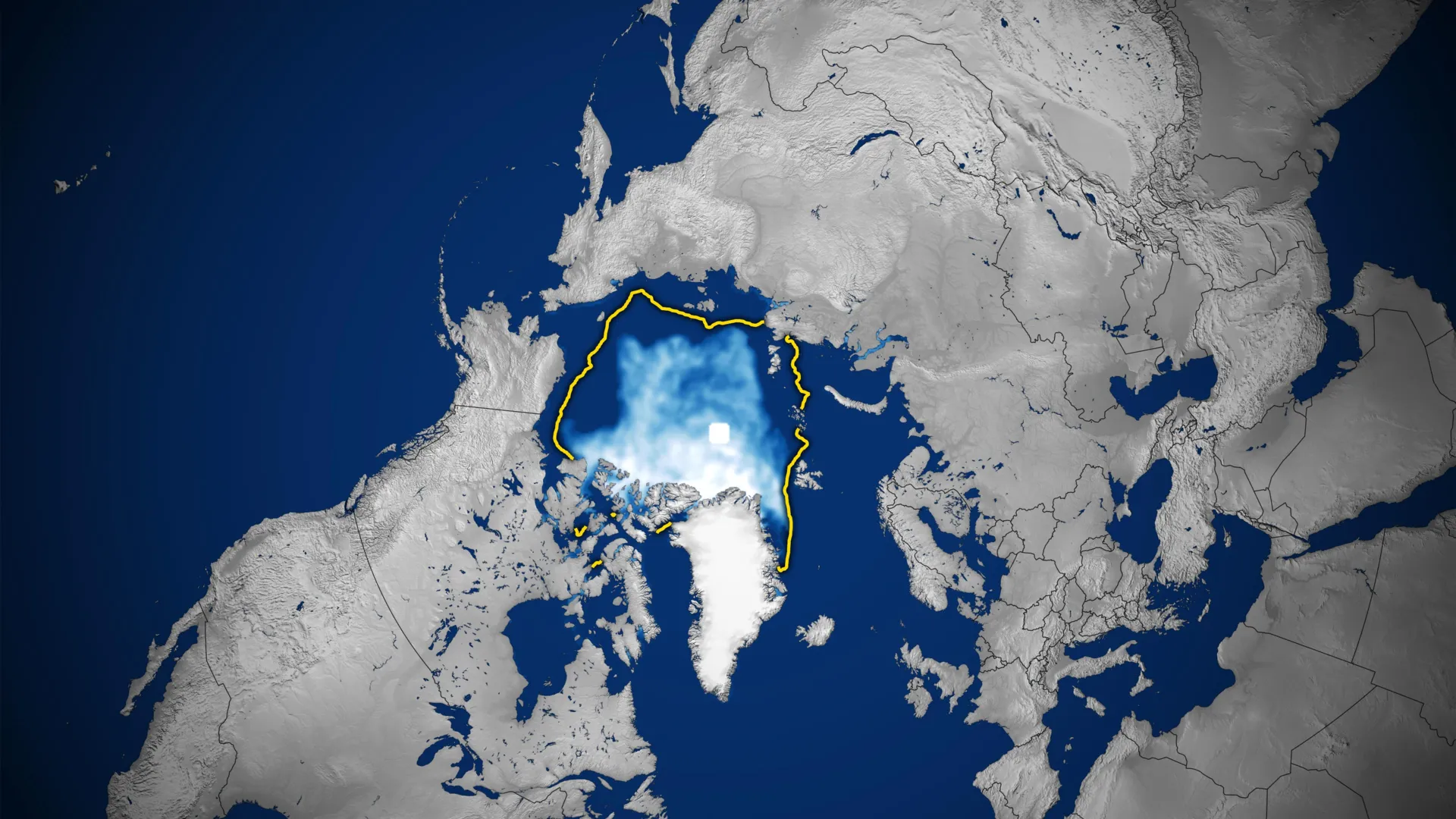
Arctic sea ice thinning persists as winter and summer records decline
Arctic sea ice is not just retreating, it is thinning. Satellite records show winter and summer ice extent declining, and the remaining ice is measurably younger and more vulnerable to melt. A nearly ice-free summer before 2050 is now a realistic projection. This loss of empirical, real-time ocean intelligence should sharpen our focus on integrated observation systems. Proposed US monitoring cuts, detailed in our related coverage, risk degrading the very data we need to track these climate indicators. Understanding drives protection.