Arctic sea ice
Arctic sea ice at World Data Ocean is a file of 4 stories. The newest of them: “Ancient sediment reveals Arctic winter ice loss may exceed prior projections”, “Arctic sea ice thinning persists as winter and summer records decline”, and “New genetic tools clarify Arctic ice rotifer taxonomy and ecological roles”. Six thousand years of ocean sediment now tells us Arctic winter sea ice could vanish far sooner than models predicted. Arctic sea ice is not just retreating, it is thinning. A Global Hub for Ocean Intelligence 4 World Data Ocean is a centralized digital platform where researchers, scientists, and ocean enthusiasts converge to… The list below is every Arctic sea ice story on World Data Ocean, newest first.
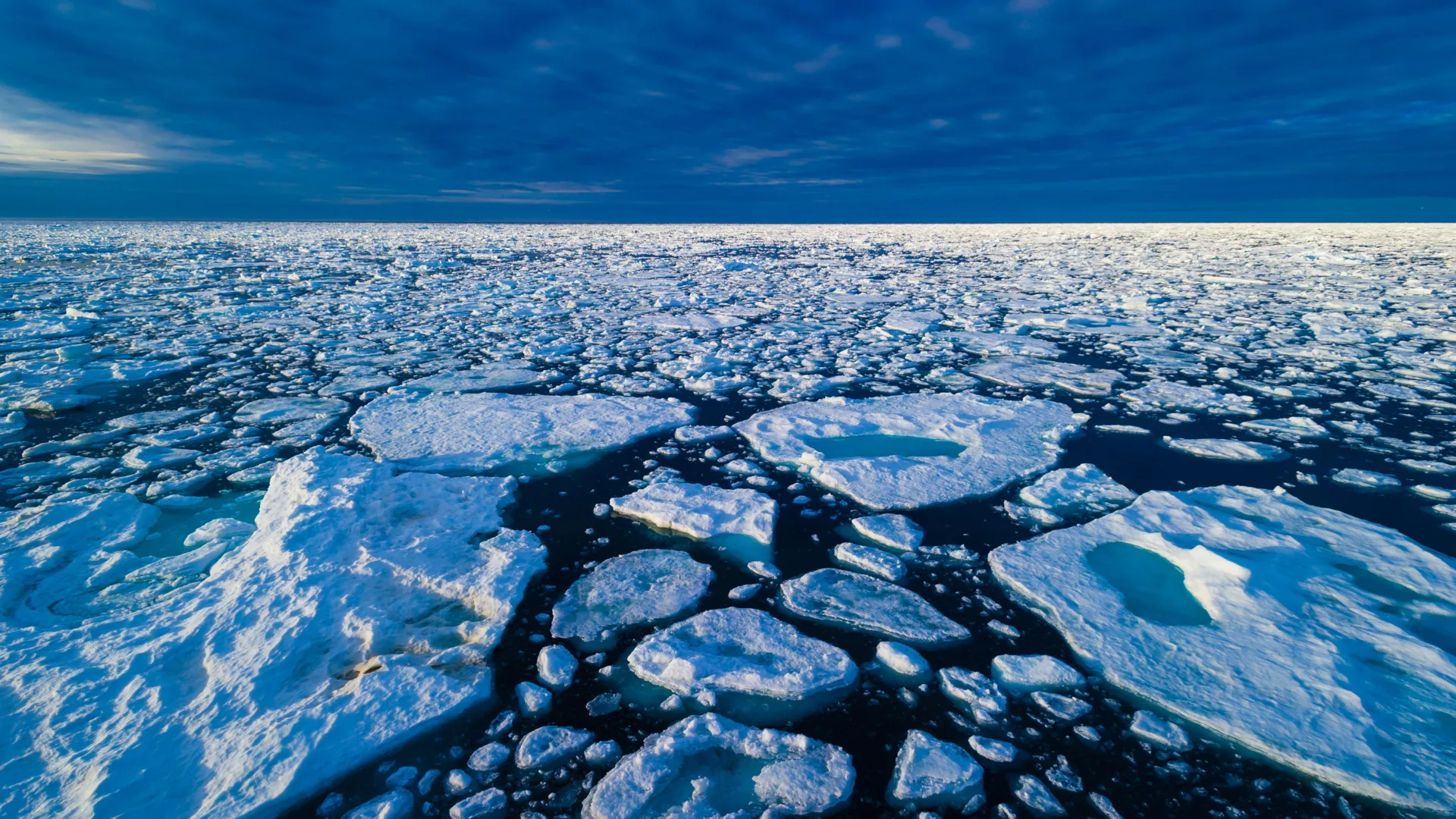
Ancient sediment reveals Arctic winter ice loss may exceed prior projections
Six thousand years of ocean sediment now tells us Arctic winter sea ice could vanish far sooner than models predicted. Comparing these ancient climate records with modern projections reveals future winter coverage may be roughly one million square kilometers smaller than earlier estimates. That is a measurable, validated shift in what we thought we knew. Understanding drives protection. For another view on how ocean intelligence translates into real-world careers, see our piece on aquatic technician versus fish culturist pathways.
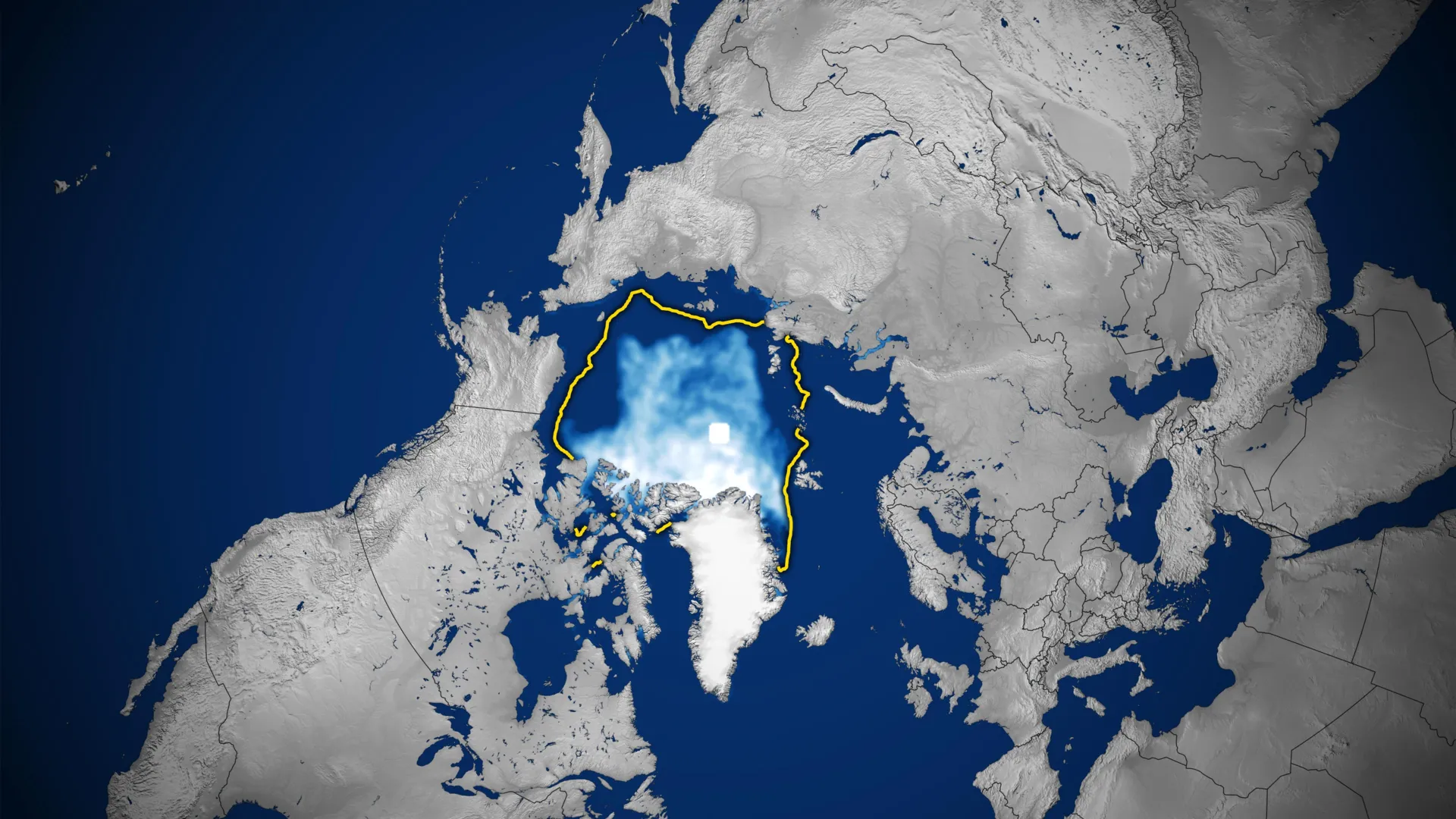
Arctic sea ice thinning persists as winter and summer records decline
Arctic sea ice is not just retreating, it is thinning. Satellite records show winter and summer ice extent declining, and the remaining ice is measurably younger and more vulnerable to melt. A nearly ice-free summer before 2050 is now a realistic projection. This loss of empirical, real-time ocean intelligence should sharpen our focus on integrated observation systems. Proposed US monitoring cuts, detailed in our related coverage, risk degrading the very data we need to track these climate indicators. Understanding drives protection.

New genetic tools clarify Arctic ice rotifer taxonomy and ecological roles
Four novel genetic lineages of the rotifer genus *Synchaeta* have been identified from Arctic sea ice, clarifying a long-standing taxonomic blind spot. These microscopic grazers, collected from the Barents Sea and Central Arctic, were previously identifiable only to phylum level. Morphological clues tentatively link the new lineages to known ice-associated species. Integrative molecular and morphological work is essential here, reference databases remain incomplete. This precision matters for understanding sympagic food webs.
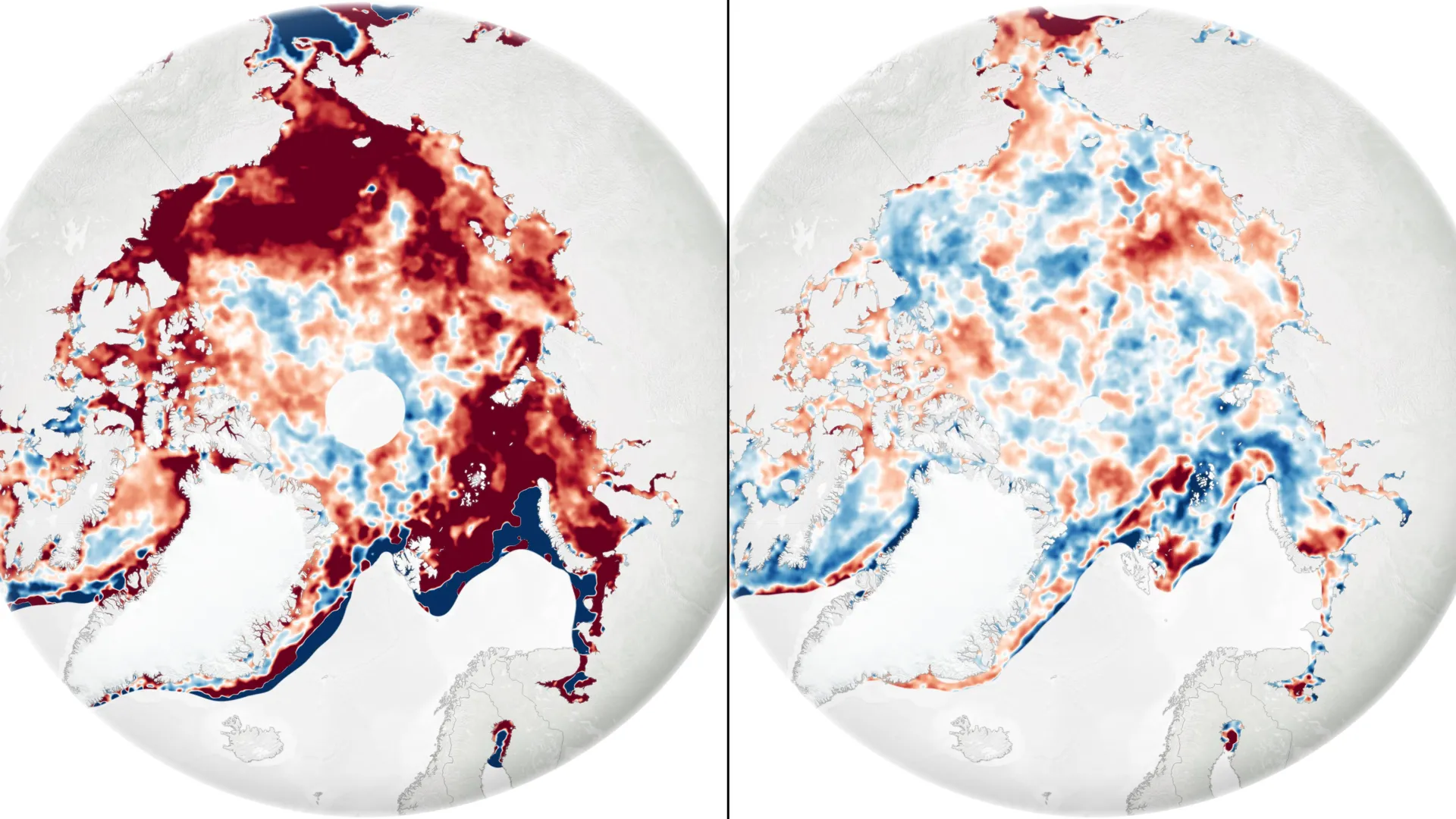
Arctic Sea Ice Melt Season Stabilizes After Decades of Expansion
The Arctic's melt season now runs roughly 40 days longer than in 1979, yet its rapid expansion unexpectedly stalled around 2010. Scientists point to shifting clouds and increasingly thin ice as possible drivers of this pause. That plateau is not a reprieve; continued warming could trigger another surge of change. For context on how Arctic dynamics intersect with commercial ambition, our coverage of Russia's Northern Sea Route icebreaker plans offers a practical counterpoint. The ice is settling, but its stability remains an open question.