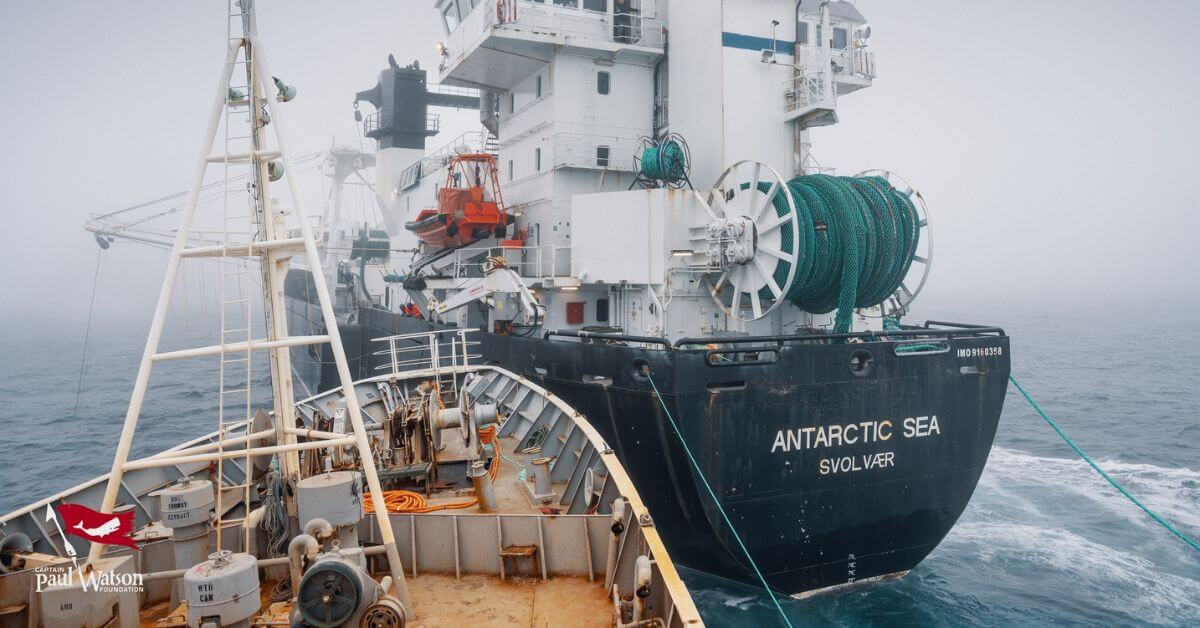
The recent confrontation in Antarctic waters, where an activist vessel intentionally collided with a krill harvesting ship as part of "Operation Krill Wars," highlights a critical, albeit polarized, intersection of conservation efforts and scientific resource management. While the urgency driving such direct action is understandable, particularly concerning the delicate Antarctic ecosystem and the foundational role of krill within it, World Data Ocean’s perspective centers on the imperative of evidence-based stewardship. Our mission is to foster understanding through accurate, measurable data, which is essential for effective, sustainable decision-making. Confrontational tactics, while drawing attention, can inadvertently obscure the nuanced scientific realities and the complex interplay of factors influencing marine life.
The Antarctic is a unique and vulnerable environment, and the krill fishery, while significant, operates within regulated frameworks designed to monitor and manage its impact. Understanding the long-term ecological consequences of any harvesting, including its effects on predators like whales, seals, and penguins, requires robust, longitudinal data collection. This is where World Data Ocean’s commitment to an integrated data ecosystem becomes paramount. By leveraging advanced technologies to gather, calibrate, and analyze real-time environmental and biological information, we aim to provide a validated, empirical foundation for policy and practice. This approach allows for a comprehensive assessment of the fishery's sustainability, moving beyond emotional responses to actionable insights derived from scientific integrity.
From orbit to ocean floor, our work is dedicated to illuminating the intricate connections within our planet's oceans. The challenges facing the Antarctic, from climate change indicators to the health of its krill populations, demand a unified, collaborative approach grounded in scientific consensus. While passionate advocacy plays a role in raising awareness, the most impactful solutions emerge from a shared understanding of validated data. We believe that by empowering researchers, policymakers, and the global community with precise, accessible ocean intelligence, we can collectively chart a course towards responsible stewardship that safeguards these vital ecosystems for generations to come. Ultimately, understanding drives protection, and it is through rigorous, shared knowledge that we can best confront the complex realities of ocean health.