sea ice loss
2 stories filed under sea ice loss on World Data Ocean. The newest of them: “Ancient sediment reveals Arctic winter ice loss may exceed prior projections” and “Ocean Warming Reshapes Zooplankton, Impacting Marine Ecosystems Worldwide”. Six thousand years of ocean sediment now tells us Arctic winter sea ice could vanish far sooner than models predicted. Zooplankton are not drifting passively through this crisis; they are being actively reshaped by it. A Global Hub for Ocean Intelligence 4 World Data Ocean is a centralized digital platform where researchers, scientists, and ocean enthusiasts converge to… The list below is every sea ice loss story on World Data Ocean, newest first.
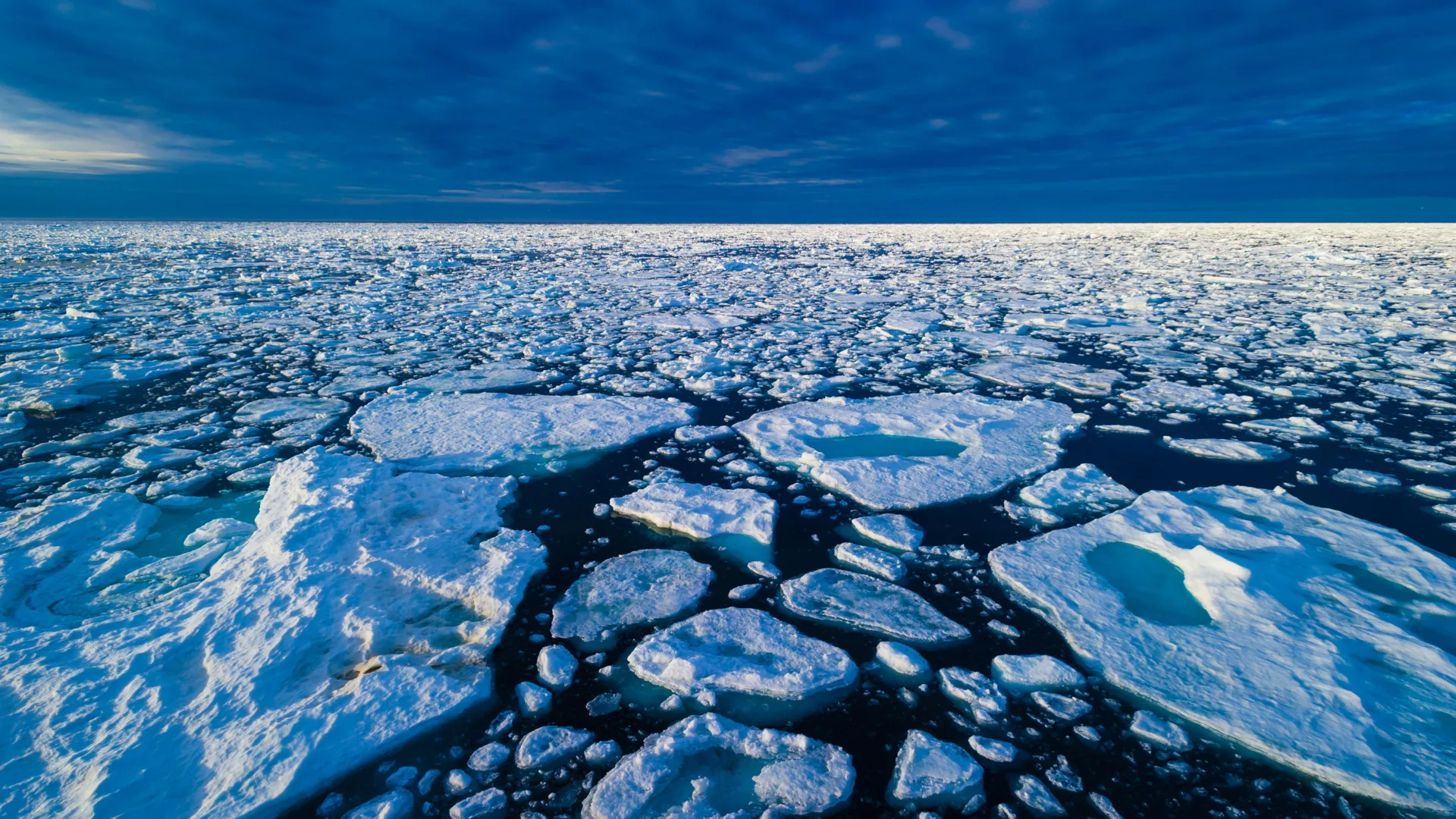
Ancient sediment reveals Arctic winter ice loss may exceed prior projections
Six thousand years of ocean sediment now tells us Arctic winter sea ice could vanish far sooner than models predicted. Comparing these ancient climate records with modern projections reveals future winter coverage may be roughly one million square kilometers smaller than earlier estimates. That is a measurable, validated shift in what we thought we knew. Understanding drives protection. For another view on how ocean intelligence translates into real-world careers, see our piece on aquatic technician versus fish culturist pathways.

Ocean Warming Reshapes Zooplankton, Impacting Marine Ecosystems Worldwide
Zooplankton are not drifting passively through this crisis; they are being actively reshaped by it. Ocean warming, stratification, and acidification are filtering species by their traits, reorganizing communities in ways that ripple from grazing rates to carbon export. What stands out is the variability: jellyfish and krill respond differently, and those differences will strengthen some pathways while weakening others. Predicting the ocean's future demands integrating long-term observations with mechanistic models, and this review makes that urgency clear.