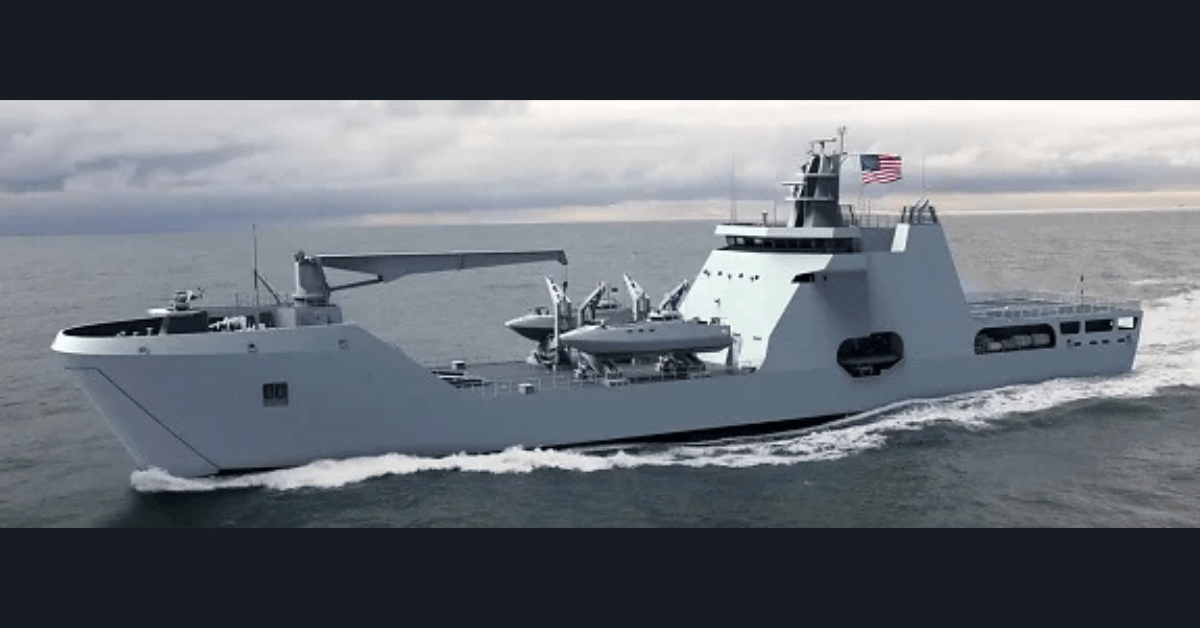
The Medium Landing Ship program just demonstrated that a validated commercial shipbuilder can move from a request for proposals to a signed contract faster than the traditional acquisition system typically allows. That speed is the real story here, and it has practical consequences for every stakeholder watching the U.S. Navy's effort to rebuild its fleet. TOTE Services, acting as Vessel Construction Manager, selected Hanwha Philly Shipyard for the first LSM in a competitive process that began in July 2026 and resulted in a $269 million award with construction starting in the fourth quarter of 2027. This is not a theoretical model. It is a measurable, executed step forward.
What makes this development worth attention is the accountability structure TOTE Services brings. One management team now connects government requirements to execution across three domestic shipbuilders, standardizing configuration and using block buys to secure favorable pricing. The same VCM model already delivered four National Security Multi-Mission Vessels, with a fifth expected in 2027. That track record gives the LSM program a validated baseline, not a promise. For the Navy, which recently recorded 27 serious mishaps in FY2026, its highest combined total in a decade, predictable cost and schedule discipline is not an administrative nicety. It is a operational necessity. The link between acquisition reform and safety performance is indirect but real: when a program can plan and deliver consistently, the fleet gets vessels it can crew, maintain, and trust. The parallel to efforts like the U.S. Navy Safety Data Reveals Decade-High 27 Serious Mishaps in FY2026 is clear, systemic problems require systemic solutions, and the VCM model is one such solution.
The selection of Hanwha Philly Shipyard also reinforces a broader trend in maritime industrial policy. Hanwha acquired the yard in 2024 and has since invested in workforce and technology to prepare for naval work. The shipyard already built and delivered vessels under TOTE Services' VCM model, so the learning curve is shorter than it would be for a greenfield facility. Representative Mary Gay Scanlon noted the skilled union workforce and transformational investments that make Philadelphia a premier shipbuilding center. That is not boosterism; it is a statement about industrial capacity that can be measured in delivered hulls. The LSM program, planned for 35 ships, provides a demand signal that allows suppliers, manufacturers, and skilled trades to plan and invest with greater consistency. Compare that to the ad-hoc, stop-start pattern that has historically weakened the U.S. shipbuilding base. The difference is the difference between a program and a project.
One specific detail to watch is whether the VCM model can sustain this momentum across the remaining two directed shipyards, Bollinger Shipyards and Fincantieri Marinette Marine, while maintaining the cost discipline TOTE Services secured in the first award. The options for three additional vessels at Hanwha Philly Shipyard are priced into the base contract, but the real test will come when production scales. If the model holds, the first LSM delivers in 2030. If it does not, the Navy will have to decide whether to double down on the approach or revert to legacy acquisition. That decision will shape the fleet for decades.