Our Take: Antarctic Meltwater's Limited Iron Release Challenges Climate Theory
The intricate relationship between Earth's cryosphere and its oceans is a critical area of scientific inquiry, particularly in the context of a changing climate. A prevailing theory posited that the significant melting of Antarctic glaciers would lead to a substantial release of iron into the surrounding Southern Ocean. This iron, a vital micronutrient, was expected to fuel widespread phytoplankton blooms. These blooms, in turn, were anticipated to enhance the ocean's biological carbon pump, drawing down atmospheric carbon dioxide and thus moderating global temperatures. This hypothesis offered a compelling feedback loop, suggesting a natural mechanism by which Antarctic ice melt could exert a positive influence on climate regulation. However, recent empirical data collected from West Antarctica challenges this long-held assumption, revealing a more nuanced and complex reality.
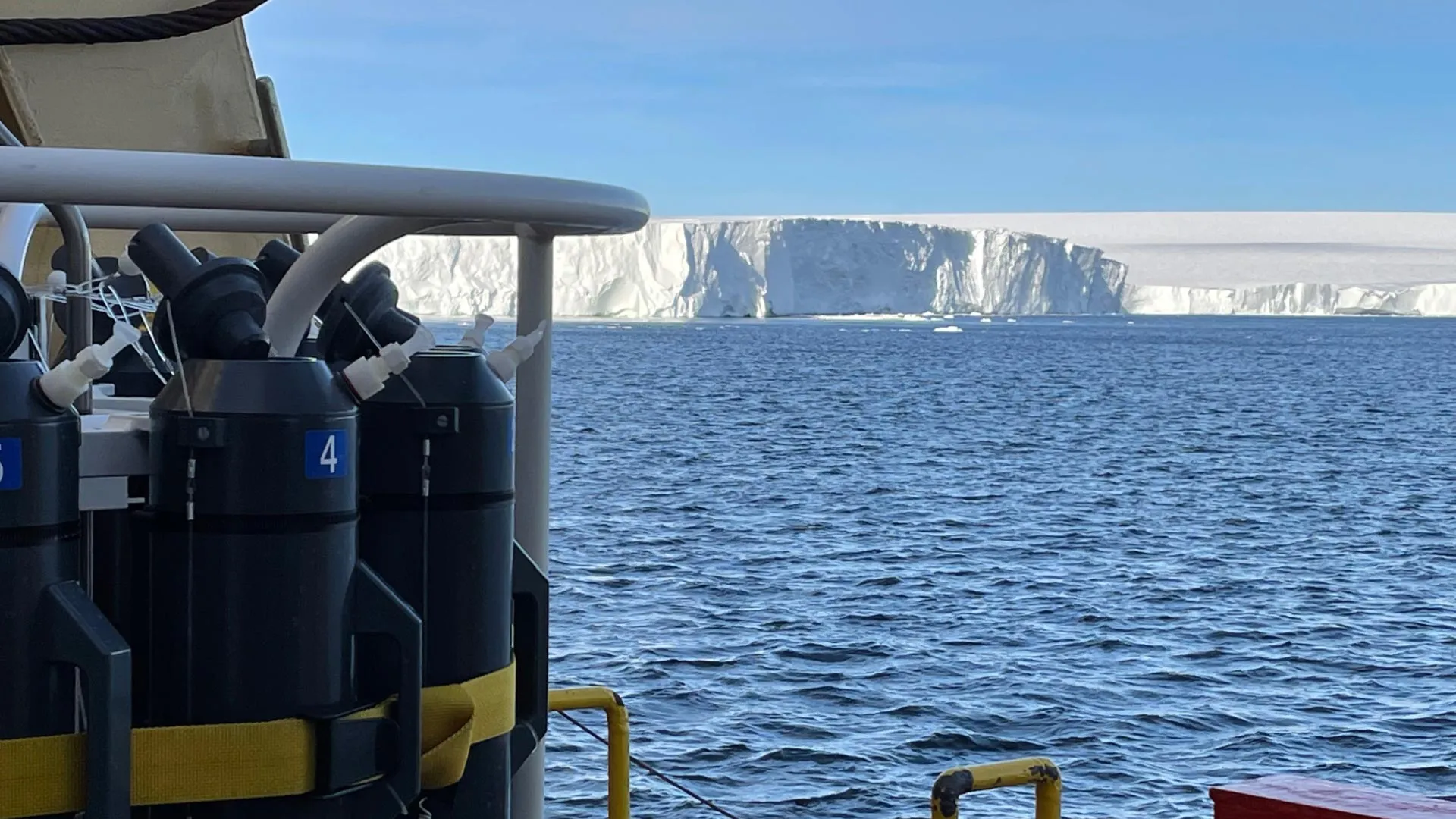
New field investigations have yielded findings that significantly revise our understanding of iron sources in Antarctic meltwater. The data indicate that the iron content within glacial meltwater is considerably lower than previously theorized. This suggests that the direct contribution of melting ice to oceanic iron availability is less impactful than anticipated. Instead, the research points to deep ocean water and sediments as the primary sources of bioavailable iron in these regions. This recalibration of our understanding is not merely an academic adjustment; it has profound implications for climate modeling and our projections of future oceanographic responses to climate change. The diminished role of meltwater as an iron source means that the anticipated widespread algal blooms, and their consequent carbon sequestration, may not materialize to the extent previously modeled.
This divergence between theoretical expectation and empirical observation underscores the indispensable nature of continuous, on-the-ground scientific data collection. It highlights the dynamic and often unpredictable ways in which Earth systems respond to environmental shifts. The findings necessitate a re-evaluation of how we conceptualize Antarctica's role in the global carbon cycle and its influence on climate dynamics. Further research is now paramount to fully comprehend the implications of these new insights, particularly concerning the health of Antarctic ecosystems and their capacity to absorb atmospheric CO2. World Data Ocean is committed to providing the validated, measurable, and integrated data necessary to navigate these complex scientific questions, fostering a clearer, more accurate understanding of our planet's vital ocean systems and their response to unprecedented environmental pressures.