Our Take: Antarctic Ice Melt and the Shifting Carbon Cycle
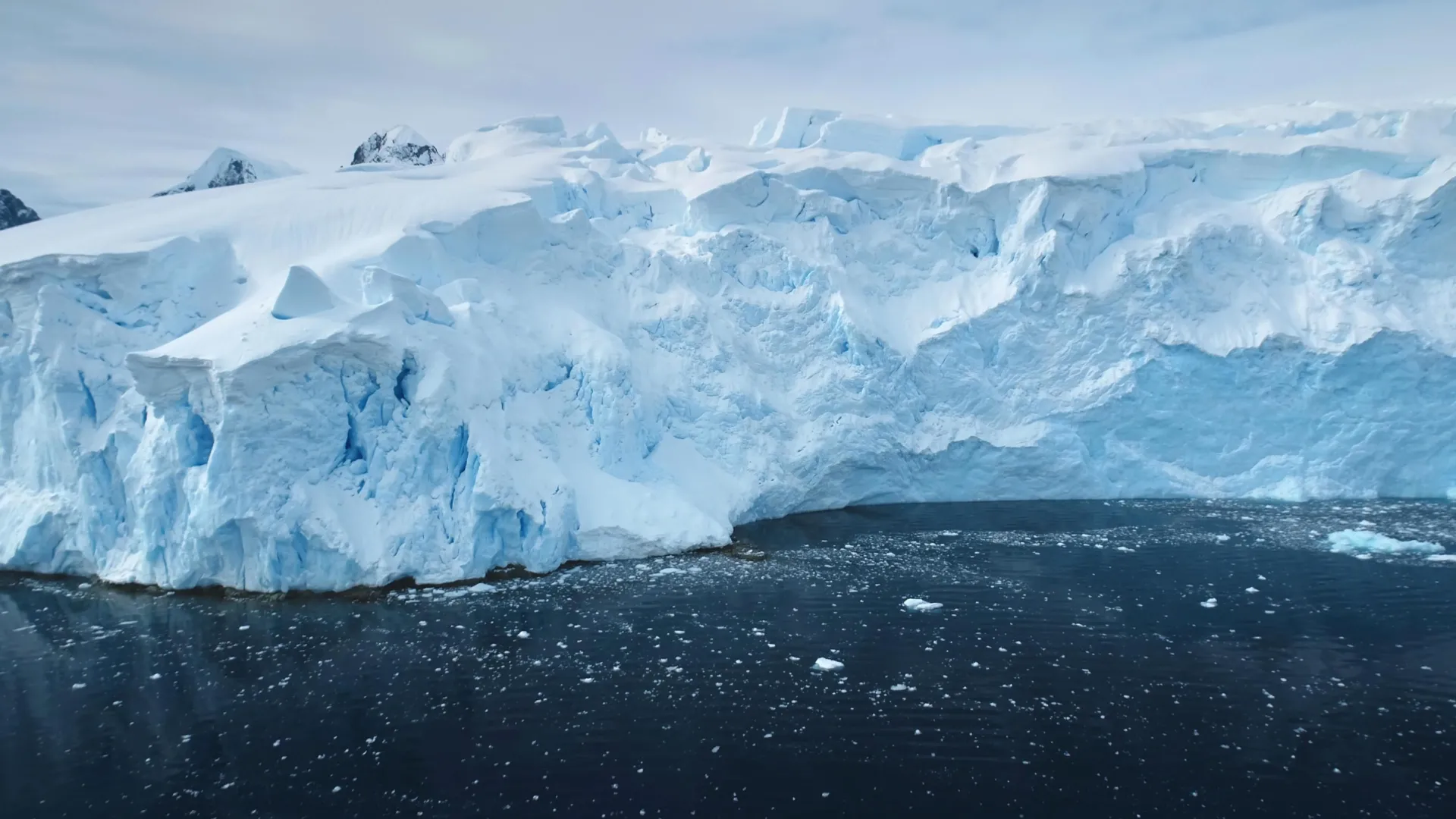
The recent findings regarding Antarctic ice melt and its nuanced impact on Southern Ocean carbon uptake underscore a critical truth: scientific understanding is an ongoing, iterative process, often revealing complexities that challenge initial assumptions. While intuitively one might expect increased meltwater to translate directly into enhanced oceanic absorption of atmospheric carbon dioxide, driven by algal blooms fueled by released nutrients, the reality, as demonstrated by this research, is far more intricate. The Southern Ocean, a vital component of the global climate system, is not a simple stoichiometric equation. The form and bioavailability of essential elements, like iron, are paramount. This study reveals that meltwater, while carrying iron, delivers it in a state largely inaccessible to the marine organisms that form the base of the food web and drive biological carbon sequestration. This distinction is not a minor detail; it represents a fundamental recalibration of our understanding of how polar regions influence global biogeochemical cycles.
This research highlights the indispensable role of rigorous, data-driven investigation in navigating the complexities of climate change. The initial observation of increased meltwater might have suggested a positive feedback loop for carbon sequestration. However, the application of advanced analytical techniques and a deep understanding of oceanographic processes have revealed a more complex, and indeed concerning, scenario. The fact that the iron is locked in an unusable form means that as Antarctic ice continues to melt at an accelerated pace, the expected boost to ocean carbon uptake may not materialize. Instead, we are faced with the potential for a diminishing capacity of the Southern Ocean to act as a carbon sink, a crucial function it has historically performed in mitigating atmospheric CO2 concentrations. This underscores the need for a global, integrated data ecosystem capable of providing real-time, validated insights into these dynamic systems.
The implications of this diminished iron bioavailability extend beyond the immediate scientific findings. It emphasizes the interconnectedness of Earth's systems and the potential for cascading effects as climate change progresses. Our approach to ocean stewardship must be informed by this evolving scientific intelligence. It is not enough to observe a phenomenon; we must understand its underlying mechanisms and predict its long-term consequences. The imperative for global collaboration in data collection, analysis, and dissemination becomes ever more pronounced. By fostering a shared understanding of these complex interactions, we can better inform policy, guide sustainable practices, and ultimately, work towards preserving the ocean's vital role in regulating our planet's climate. The future health of our oceans, and indeed our planet, depends on our ability to translate scientific discovery into purposeful action.